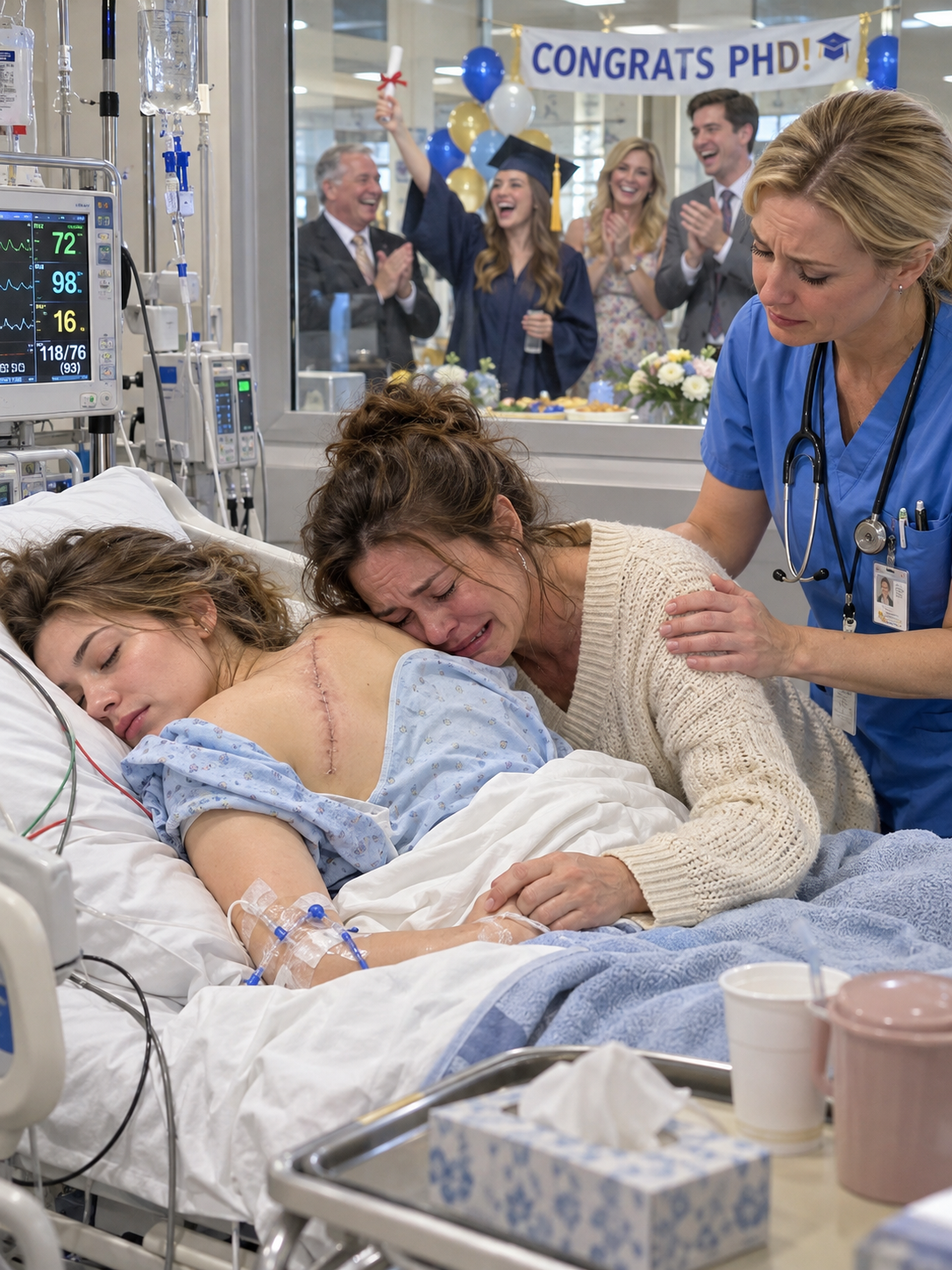
The red light above Operating Room 3 did not flicker. It burned steady while a team of pediatric spine surgeons worked on my eight-year-old daughter, Poppy, whose back had been broken in three places when a truck slammed into our car that afternoon. I sat on the cold hospital floor and called my parents twelve times, and nobody answered. That silence, not the crash, is the part of the night I still measure everything against.
At exactly 7:15 p.m., my younger sister Gwen called me on FaceTime. Relief flooded through me. Maybe someone in my family had finally remembered Poppy existed.
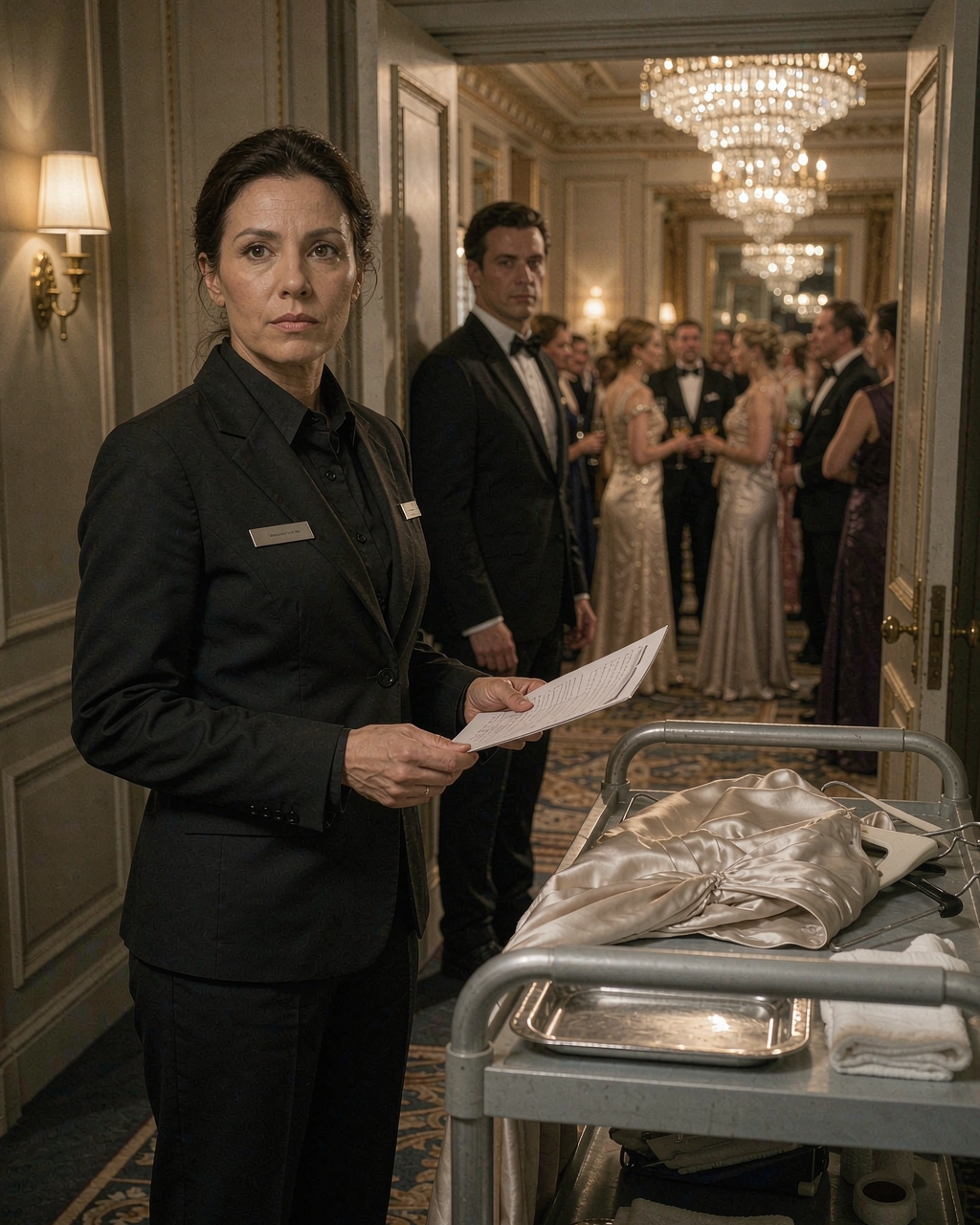
Then the screen filled with crystal chandeliers and a country club ballroom. Gwen stood in a custom emerald-green gown with champagne in her hand, thirty relatives laughing behind her. They were celebrating her brand-new PhD at the precise moment my daughter lay unconscious on an operating table with rods being placed along her spine.
"Brooke, stop making everything about your problems," Gwen snapped before I could speak. "Mom and Dad picked my graduation party over your sick kid. Nobody wants another sad story from you tonight. Don't ruin my party by begging for sympathy."
She hung up before I could answer. I stared at the dark screen and tried to work out how my sister had never once asked whether Poppy was alive. The question did not seem to have occurred to her.
The Second Call
Minutes later, my mother called. I assumed the party was over and she was ringing from the car.
"We're short-handed. Get here NOW," she said, before I could say a word. She thought I was calling to make excuses.
They expected me to leave my daughter on an operating table to serve canapes at my sister's celebration. Something inside me that I had spent thirty-four years patching and repainting finally collapsed, and it did not hurt the way I expected. It felt like a door closing quietly.
The Family I Was Born Into
Gwen was always the brilliant one. Her report cards were framed, and her recitals were filmed on two cameras. My parents, Richard and Carol, were teachers, beloved pillars of the community who spent their days lecturing other people's children about fairness and came home to practice none of it.
When I got pregnant at twenty-five, unmarried and struggling, they announced at Thanksgiving that I had embarrassed the family. When Poppy was born, my mother held her once, for a photograph, and handed her back.
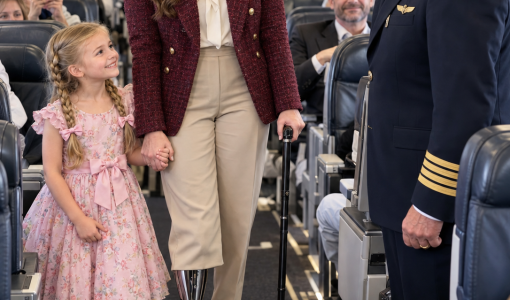
Poppy was the light of my life. Her father, Marcus, worked nights so I could study for my nursing degree. We were not rich, but we were whole, and my family treated our wholeness as a defect they kept hoping I would fix.
The Accident
It was a Tuesday. Poppy and I were driving home from her violin lesson when the truck ran the red light. I woke upside down in my seatbelt with glass in my hair, screaming her name.
The firefighters cut her out. The doctors said three fractured vertebrae and spinal cord compression, which meant emergency surgery immediately or the risk of permanent paralysis. I called my parents from the emergency bay. Voicemail. Again. Voicemail. Then I remembered Gwen's party. I had sent a card. I had not been invited.
Twelve calls. Two hundred minutes of surgery. Marcus arrived from his night shift and held my hand on that freezing floor. "Your family isn't coming," he said quietly. It was not bitterness. It was arithmetic, and he was better at it than I had been.
What I Did the Next Morning
Poppy came through surgery beautifully. Months of physical therapy lay ahead, but she would walk, run, and play her violin again. At 6 a.m., watching her sleep, I made three phone calls that changed my family tree.
The first was to a lawyer about guardianship documents, so my children would never be left to people who chose champagne over a child's spine. The second was to my bank, moving my small inheritance out of an account I should have changed years earlier. The third was to my Aunt Maggie, the one relative who had always shown up.
"Sweetheart," she said, "you've been the sane one for thirty-four years. Everyone else just got comfortable watching."
The Letters
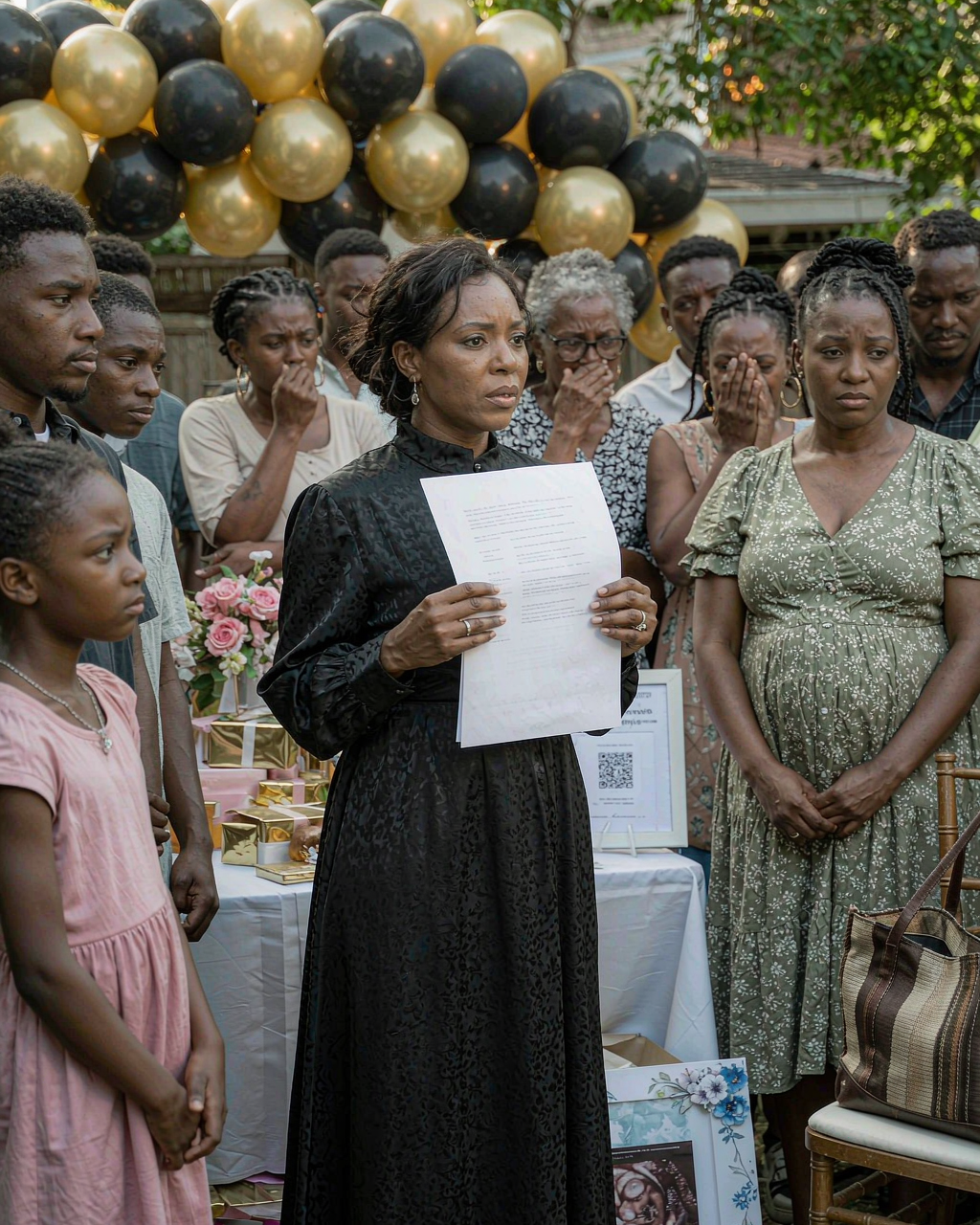
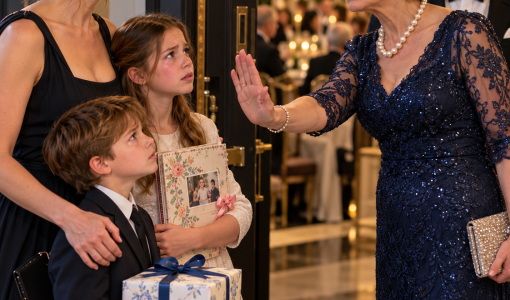
I wrote two. The letter to my parents stated the truth without cruelty: I would no longer play the daughter who exists only to be compared unfavorably, and Poppy's near-loss had shown me exactly what kind of family I wanted around my children. The letter to Gwen was shorter. I wished her genuine congratulations and told her that if she ever wanted a sister rather than an audience, my door would be open.
Then I asked the hospital to list Marcus and Aunt Maggie as Poppy's only permitted visitors besides me. It took one phone call, and it did more for my peace of mind than the letter did.
Three Weeks Later
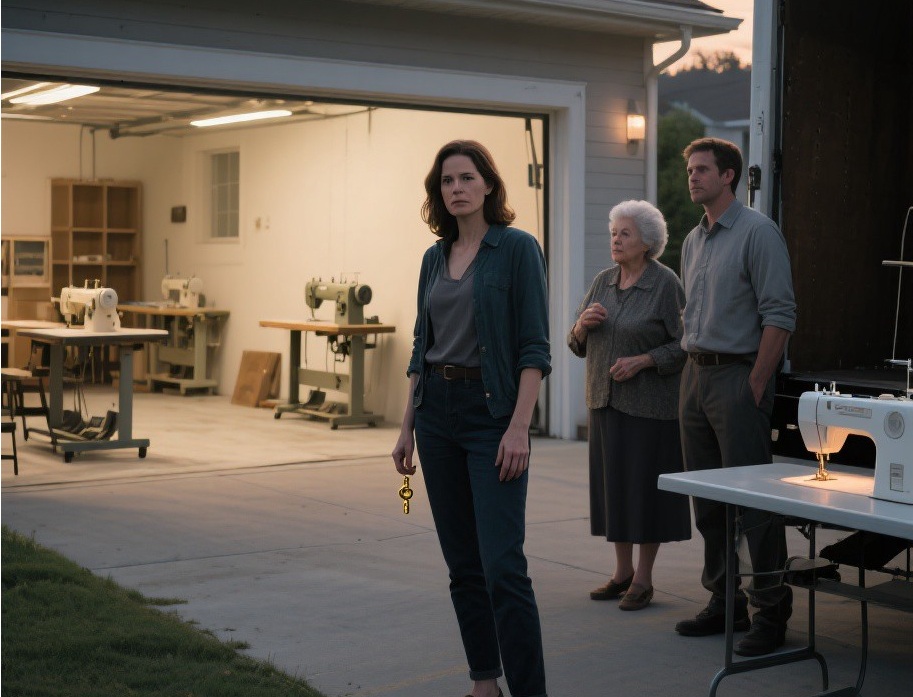
Poppy came home in a back brace. Her first words when she saw the brown boxes in the hallway were, "Are we moving?"
We were. A smaller apartment, closer to her rehab facility. Less house, more family. My parents called forty times in the first month. Some voicemails softened. Some did not.
A Year Later
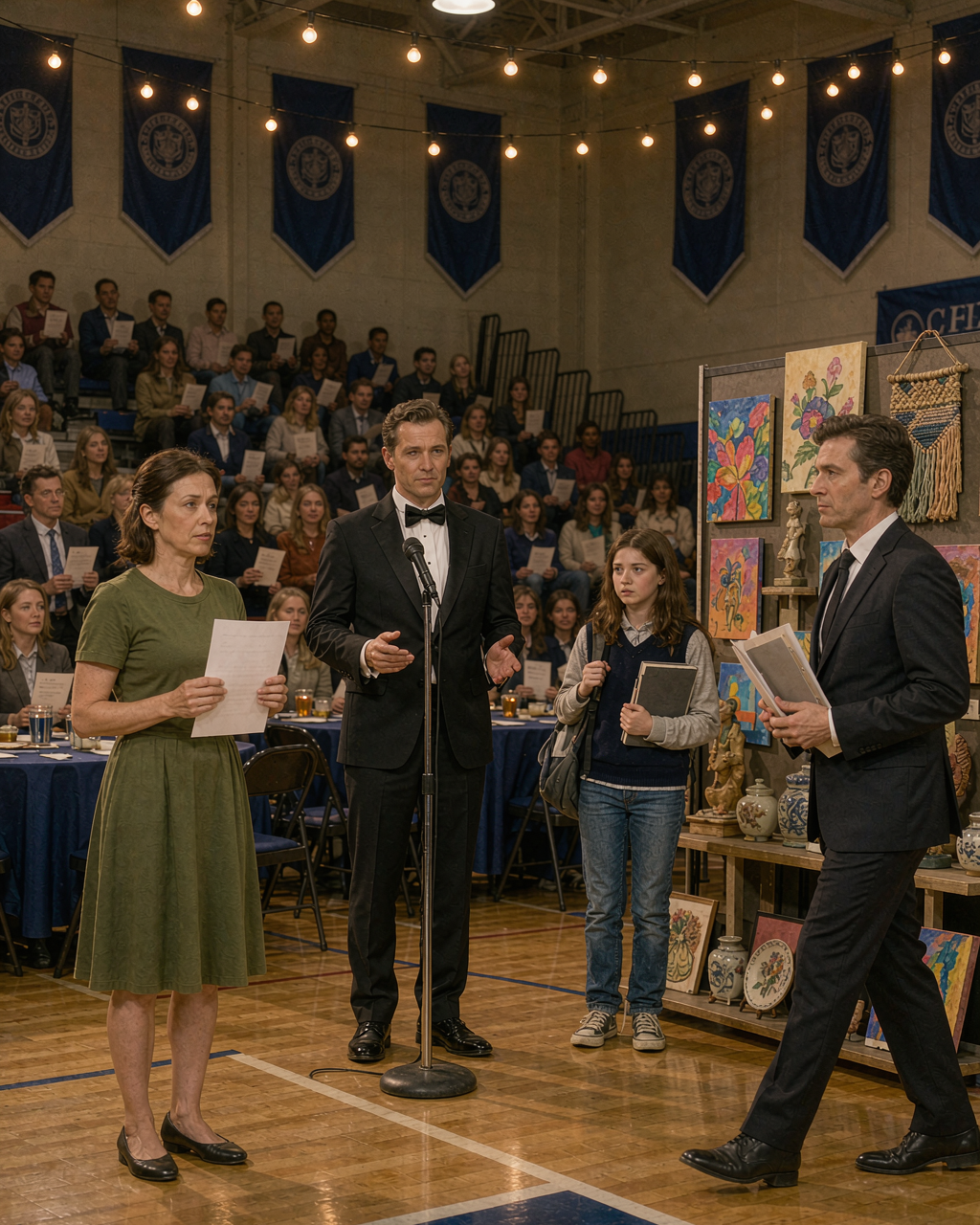
Poppy is nine now. She walks, she runs, and last month she played her violin in the spring concert while Marcus cried into his fist in the third row and Aunt Maggie held my hand. My parents watched through a video Marcus quietly streamed for them. Somehow that felt like progress rather than surrender.
Gwen sent a card in April. Inside was a single line: "I keep thinking about that night. I'm not asking for anything. I just wanted you to know I know." I have not answered yet, and I no longer feel guilty about the delay.
People ask whether I regret cutting them off. My daughter almost died, and in the hours I needed them most, they were clinking glasses and calling me dramatic. That night taught me what twelve years of birthdays and holidays never could. Family is not the people who share your blood but the people who share your floor in a hospital corridor at midnight.
What I would tell anyone still auditioning is that the audition never ends on its own. You have to walk out of the room. Poppy's spine healed, and mine did too, but only after I stopped treating their approval as something I could earn by being useful enough at the right party.