This is an original work of fiction. Characters, clinics, platforms, and events are invented.
At my sister Tasha’s baby shower, a woman I barely knew hugged me and whispered, "What you’re doing for her next baby is beautiful."
I assumed she had confused me with someone else.
Then three more guests congratulated me.
On the gift table, beside the diaper raffle, stood a framed fundraising page titled OUR SECOND MIRACLE. It used a photograph of Tasha and me at the beach.
The text said her "loving sister Camille" had agreed to carry an embryo after Tasha recovered from this pregnancy.
I had agreed to nothing.
Part 1
Tasha was eight months pregnant after two difficult years of treatment. Her doctor had warned that another pregnancy might be unsafe. I knew that because she called me after every appointment, frightened and furious that her family might not look the way she imagined.
During one late-night conversation, I said, "If you ever need to understand surrogacy, I will go to an information appointment with you."
I meant I would sit beside her while a professional explained options. Tasha heard a promise to become the option.
The fundraiser described my age, my job as a middle-school counselor, and a miscarriage I had experienced three years earlier. It called me "medically cleared" and said our sisterhood made formal screening a technicality.
My miscarriage was private. I had told Tasha because she was the first person I wanted when grief made my apartment feel too quiet. My doctor had never spoken to her.
The campaign showed $8,400 raised toward legal fees, medication, travel, and a "sisters’ journey" photo shoot.
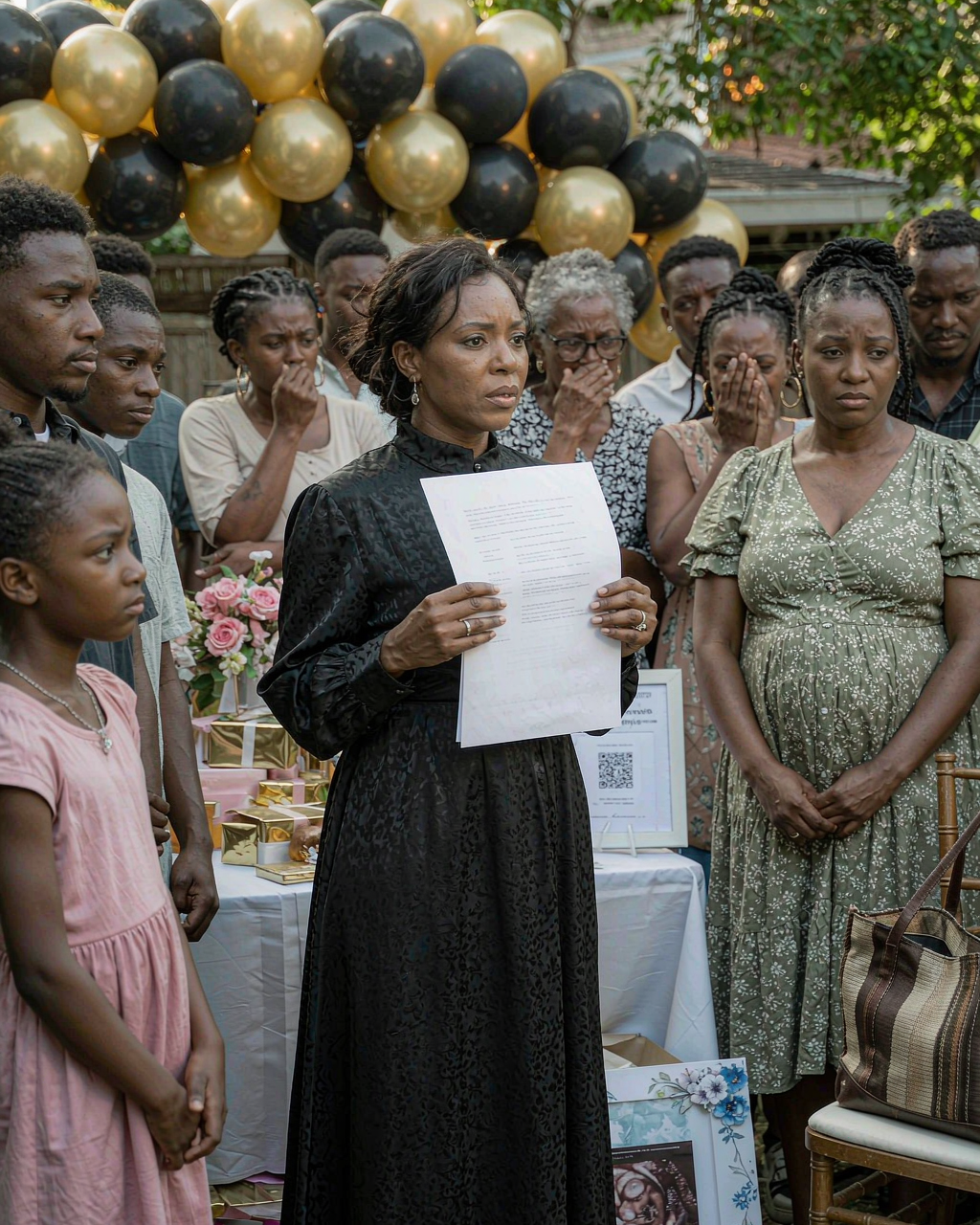
I carried the framed page to the patio, where Tasha stood beneath a balloon arch opening gifts.
"What is this?"
Her smile tightened. "Can we not do this in front of everyone?"
"You announced it in front of everyone."
Her husband, Devin, stepped between us. He said fifty people had donated because they believed in our family. Canceling now would humiliate Tasha and force them to explain that the plan had fallen apart.
"There was no plan," I said.
My mother began collecting the fundraiser cards from the tables, not to help me, but to hide them before more guests noticed.
That was when I understood the shower was not where they intended to ask. It was where they intended to make no feel cruel.
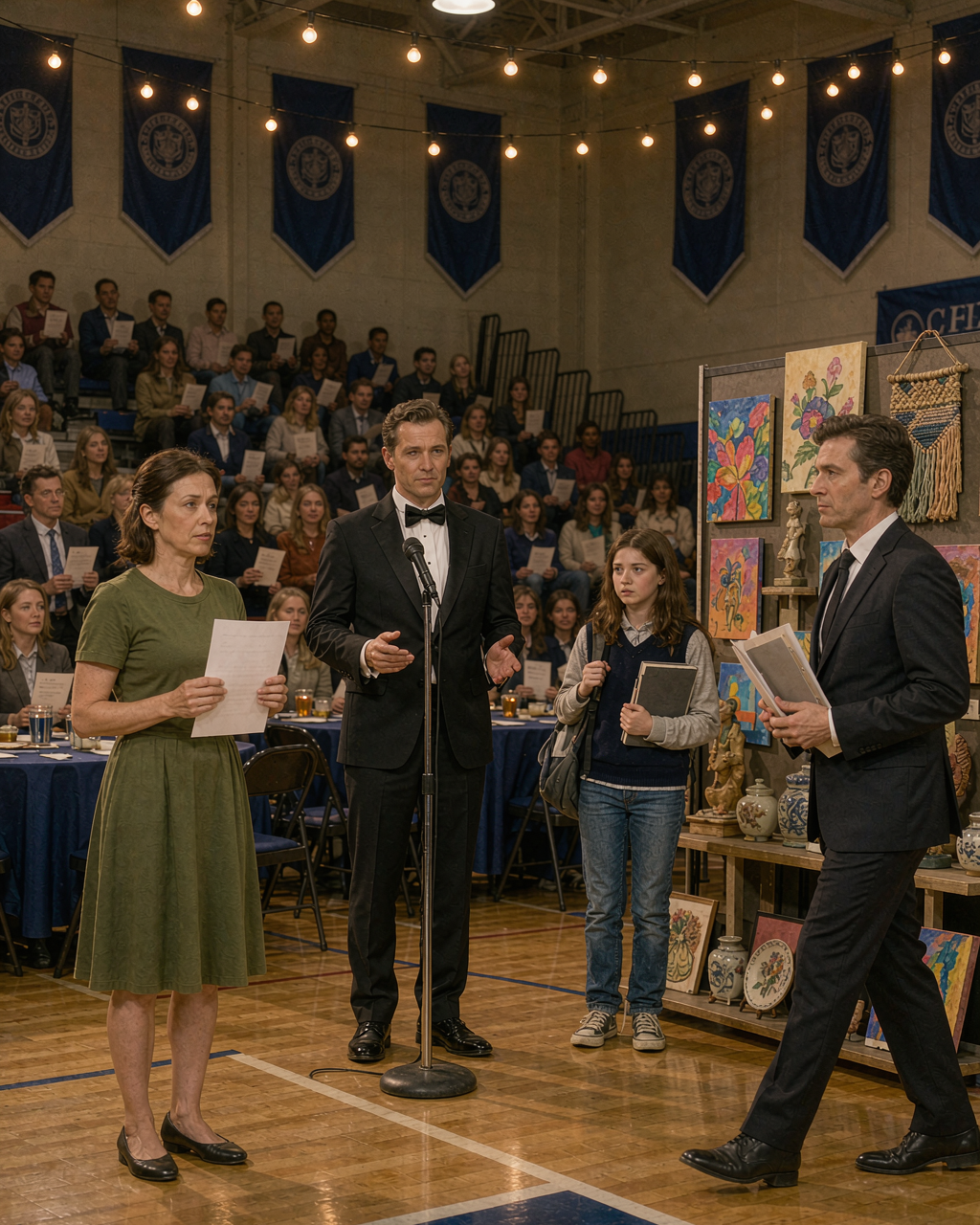
I asked the DJ to turn off the music. My hands shook, so I read from the campaign page rather than trying to make a speech.
"I did not agree to become a surrogate. I have not been medically cleared. Information about my miscarriage was used without my permission. Anyone who donated should contact the organizers before making further payments."
The silence lasted only seconds. Then the questions began.
Part 2
Tasha cried that stress could harm the baby. I told Devin to take her inside and call her doctor if she felt unwell. I would not let concern for her pregnancy erase what she had done.
I photographed every sign and saved the campaign page, updates, and donor list visible to contributors. Then I used the platform’s identity-report form. I did not claim the entire campaign was criminal. I stated the facts: my name, photograph, medical information, and supposed commitment were false.
The platform paused withdrawals while it reviewed the report.
Two days later, Tasha came to my apartment with our mother. They brought a folder from a fertility clinic. Tasha had already submitted an inquiry listing me as a known carrier. The clinic requested separate counseling, medical screening, independent legal advice, and written confirmation from me before proceeding.
Tasha never gave them my contact information because she knew I would correct the story.
The clinic had closed the inquiry after she failed to provide consent. The fundraiser launched the next morning.
"I needed you to see how much support we had," she said. "I thought once it felt real, you would stop being scared."
I was not scared of generosity. I was unwilling.
I had recently started dating someone seriously. I took medication that would need medical review before any pregnancy. More importantly, I did not want to carry a child for anyone. None of those reasons was required. My body was not a family resource that became available when I failed to present a sufficiently tragic excuse.
Our mother asked whether I could reconsider after Tasha delivered and emotions settled.
I asked her to leave.
The platform offered donors a refund window because the campaign purpose was materially inaccurate. Some donors redirected gifts to ordinary baby expenses. Others requested refunds. Tasha and Devin returned the money already transferred for the photo-shoot deposit and consultation retainer. They had to cover a nonrefundable photographer fee themselves.
I sent a written request that they remove my photograph, name, workplace, and medical information from every page and message. They complied after the clinic’s patient coordinator told them any future inquiry would require truthful disclosure of the previous submission.
Part 3
Tasha gave birth to a healthy daughter six weeks later. I visited the hospital once, after Tasha confirmed in writing that no photographs of me would be used in fertility announcements. I held my niece and felt love without obligation.
That distinction became the center of our repair.
Tasha began therapy through her obstetric practice. She later told me the second-baby plan had helped her avoid grieving the possibility that this pregnancy might be her last. Turning me into a certainty felt easier than accepting a limit.
Understanding the motive did not restore trust. For four months, we met only in public or at our mother’s house. I did not babysit alone. I shared no medical information. When relatives asked about another baby, Tasha had to answer without looking at me.
Devin apologized for using donors as leverage. He also sent a correction to every person who received the campaign, stating that I had never agreed and that the medical claims were unsupported. I required the correction because private apologies could not repair a public lie.
Our mother struggled most. She believed sisters should be willing to do anything for each other. I asked whether that included Tasha accepting my no. It took family counseling before she admitted she had treated my body as the less important daughter’s contribution to the more urgent daughter’s dream.
A year later, Tasha and Devin decided not to pursue another pregnancy. It was not because I refused. After reviewing cost, health, childcare, and their marriage, they chose to focus on the child they had.
At my niece’s first birthday, there was no fundraiser and no public announcement. Tasha asked before posting a photograph that included me. I said yes to one picture.
We are sisters again, but not the version we were before. She knows access to my life is built from small permissions, not inherited with our last name.
The framed fundraiser page remains in a sealed folder with my report confirmation. I do not keep it to punish her. I keep it because pressure often disguises itself as community support, and the fastest way to expose it is to say the private truth where the public promise was made.
I never carried Tasha’s second baby. I carried the discomfort of disappointing my family until they learned it was lighter than surrendering ownership of myself.