This is an original work of fiction. Characters, platforms, businesses, and events are invented.
Six weeks before my wedding, a stranger messaged me a screenshot and asked, "Isn’t this your dress?"
It was.
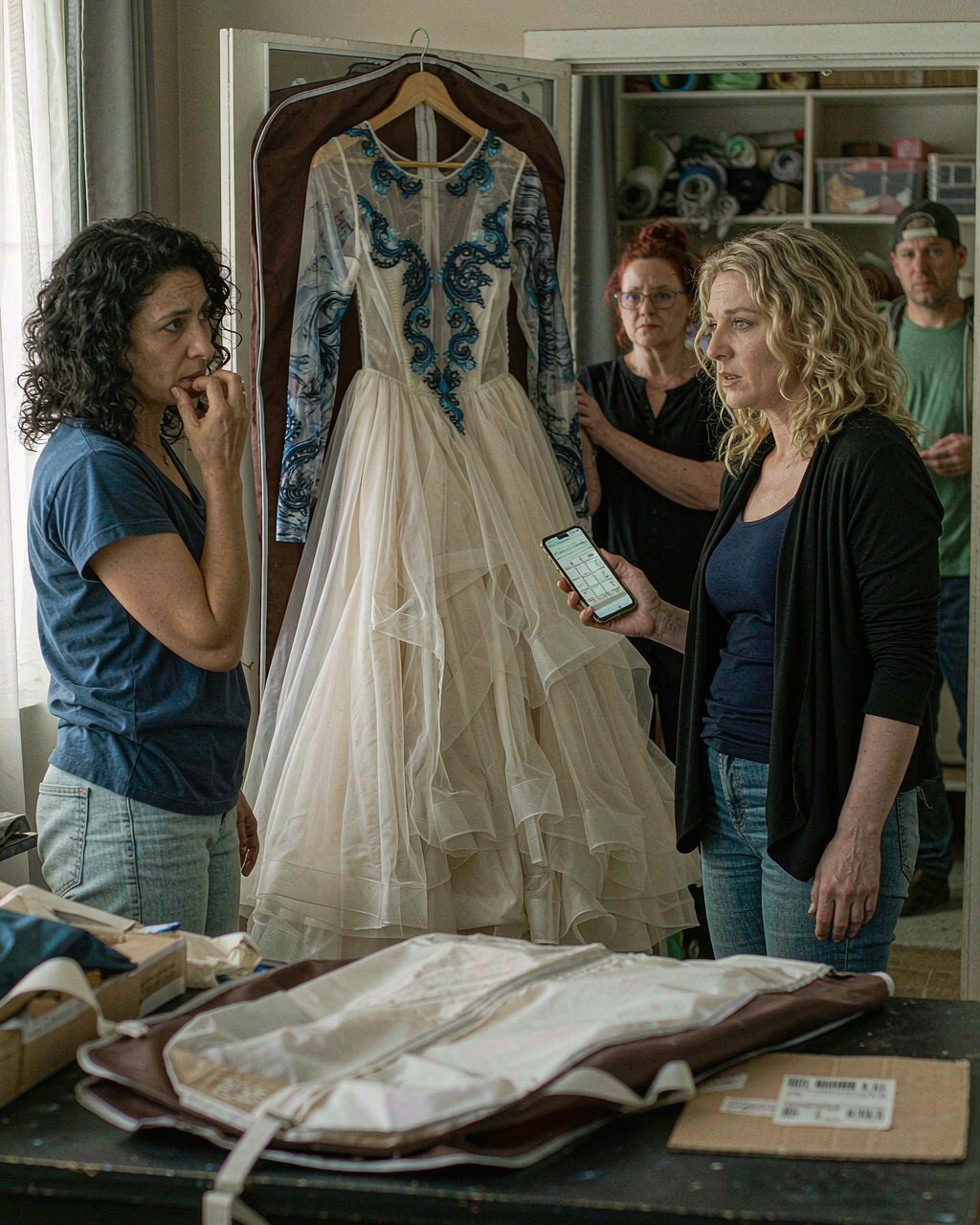
I had spent eleven months sewing the ivory silk gown with my aunt. Blue cornflowers were embroidered inside the train from a pattern my grandmother taught us.
The resale listing used photographs taken in my mother’s guest room.
Price: $2,800.
Status: SOLD.
Part 1
I called Mom from the parking lot outside my alterations appointment.
She said the dress had been "sitting unused" while my younger brother Tyler was one missed payment away from losing his work truck.
"You can buy another dress," she said. "He cannot replace his livelihood."
Tyler repaired swimming pools across central Florida. A truck did matter to his work. It was also a new lifted pickup he bought after our family warned him the nine-hundred-dollar payment was impossible during the slow season.
My dress was stored at Mom’s house because a pipe leak damaged the closet in my apartment. She had offered her guest room and insisted the gown would be safer there.
Instead, she used the emergency key I gave her, photographed the dress, and listed it without telling me or Tyler.
The buyer was driving three hours to collect it that afternoon.
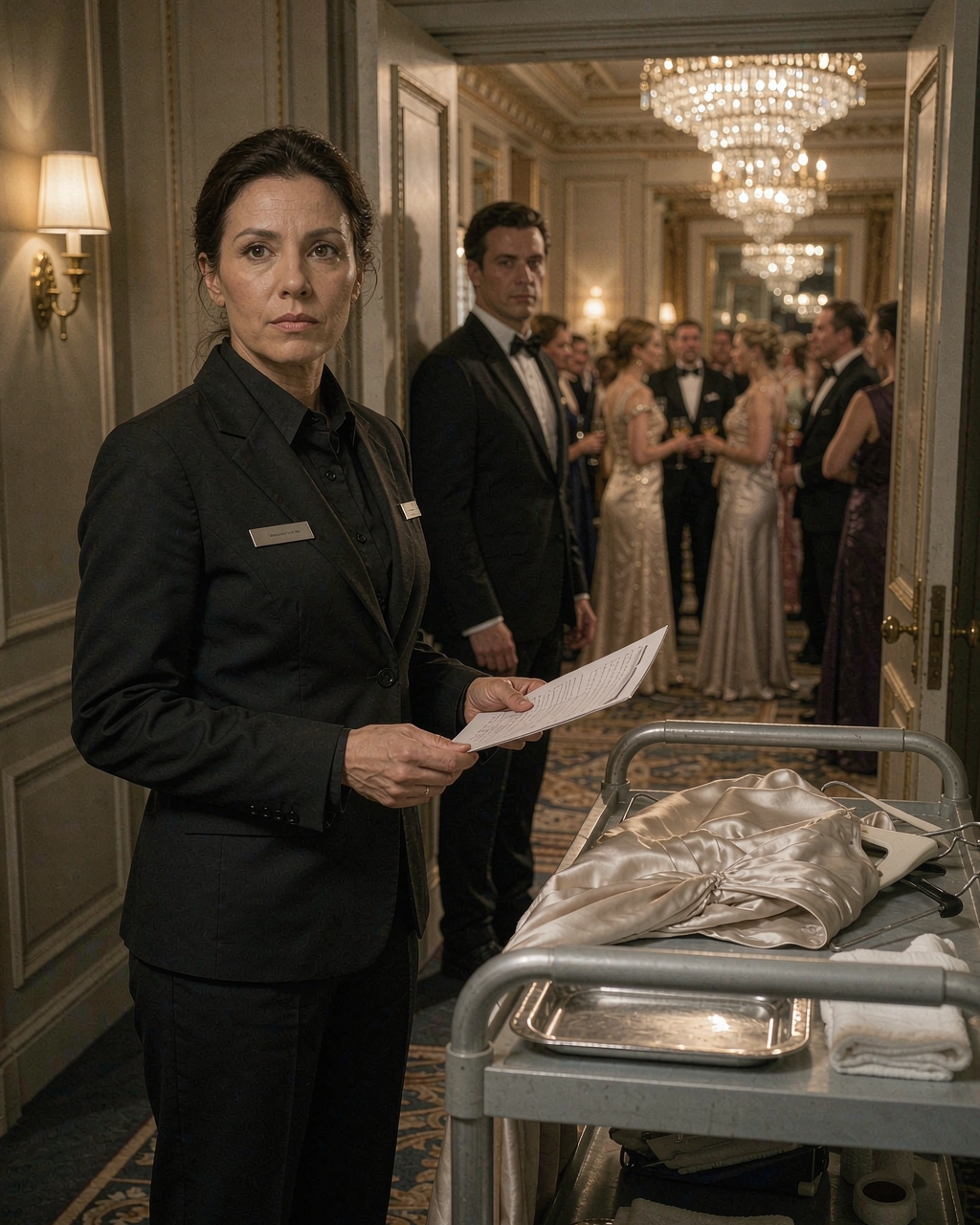
The stranger who alerted me was my cousin Rachel. She sent one more screenshot. In the mirror behind the dress, my mother was wearing my veil.
Beside her sat three boxes from my storage unit.
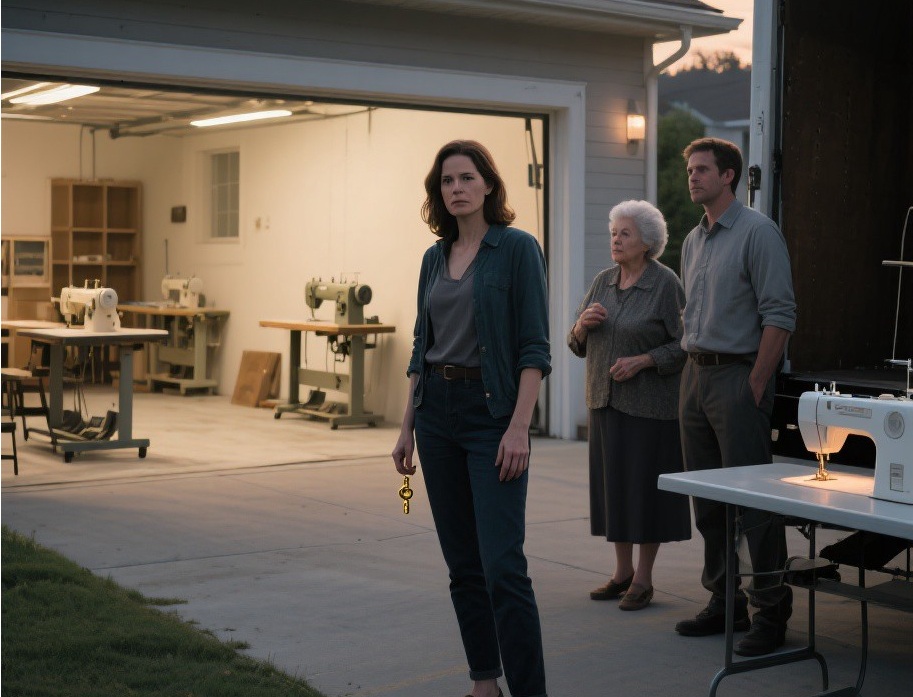
I recognized the labels: SEWING MACHINE, GRANDMA PATTERNS, WINTER CLOTHES.
The dress was not the first thing she had sold.
I opened the resale app and searched Mom’s username. The sewing machine had sold for four hundred dollars. A set of vintage pattern books sold for one hundred twenty. Two coats and a leather weekender were marked shipped.
My mother had the storage key because she agreed to meet the plumber if I was at work. I had mistaken practical access for permission without limits.
I reported the active dress sale as unauthorized property and uploaded photographs of me constructing the gown, fabric receipts, and messages arranging storage. The platform paused the payout but warned it could not decide ownership from photographs alone.
Then I drove to Mom’s house with Aunt Denise, who had sewn every other Sunday beside me.
Part 2
The buyer arrived while we were in the driveway.
Her name was Holly. She was twenty-six, engaged, and carrying an envelope with the remaining cash because Mom had requested a deposit through the app and the balance offline.
Holly thought Mom was the designer. The listing said the gown was a canceled custom order.
I showed her photographs of my fittings and the tiny blue initials my aunt stitched inside the bodice. Holly looked devastated. She had already imagined wearing it.
I did not demand that she hand over something she had not received. I told her the sale was disputed and asked her not to pay. She agreed after the platform confirmed the transaction was paused.
Mom called me selfish in front of her. She said Tyler’s truck would be repossessed Monday and the family would blame her if she failed to help.
Tyler pulled into the driveway ten minutes later in the truck we were supposedly saving. I had texted him only: Come to Mom’s now. Bring your loan statement.
He knew nothing about the sale.
He was two payments behind, but the lender had offered a short extension if he paid one installment and provided insurance. He had asked Mom for advice, not money. She decided the dress could solve the entire delinquency and make her the hero.
The sales from my other property had already covered one payment. Mom had sent it under her own name.
Tyler stared at the gown and said, "You made me pay with something I did not own."
Mom insisted siblings should sacrifice for each other. I asked why the sacrifice required secrecy.
We inventoried the guest room and storage unit that day. The sewing machine remained at a local buyer’s house. The pattern books had shipped to another state. My coats were in transit.
I filed a property report so I could document the disputed sales, changed the storage lock, and provided the report number to the platform. The platform refunded Holly’s deposit and froze Mom’s account. Recovery took weeks, not one dramatic phone call.
The local buyer returned my machine after receiving a refund. The pattern-book buyer agreed to ship them back if I paid postage. One coat was returned; the other had already been altered, so the platform compensated me from the held funds.
Part 3
Tyler returned the truck voluntarily before repossession. He bought an older used pickup with help from a credit-union loan he could afford and took weekend maintenance work until pool season returned.
He repaid me for the missing coat and shipping costs even though Mom had received the money. He said the crisis started with his decision to buy a truck for the person he wanted customers to think he was.
Mom repaid the rest over five months after I sent an itemized list. I did not charge her for the dress because I recovered it. I did replace the veil she had stretched while trying it on.
The harder consequence was the wedding.
I told Mom she would not attend unless she could apologize without mentioning Tyler’s need or my ability to replace things. Two weeks before the ceremony, she said, "I am sorry you felt betrayed, but a mother has to save whichever child is in danger."
That was not an apology.
I removed her from the guest list. Aunt Denise helped me dress. Tyler walked Mom’s corsage to her house the morning of the wedding and then came to the ceremony alone.
Holly, the buyer, sent a card. She found another gown and asked whether I would sell her a small embroidered cornflower patch for the inside. I made one as a gift. Her willingness to step away from my dress had saved both of us from a longer fight.
My gown was finished on time. The repaired train was not perfect; one section had stretched while hanging for sale photos. Aunt Denise placed an extra line of blue flowers over it.
Mom and I now meet in public once a month. She has no keys, passwords, or access to my home. Tyler sees her separately and refuses cash gifts.
She still believes excluding her from the wedding was excessive. I believe attending someone’s milestone is a privilege that cannot survive selling the centerpiece behind her back.
In our wedding photographs, the blue flowers look intentional. They are. They mark the place where the fabric was pulled out of shape and strengthened instead of discarded.