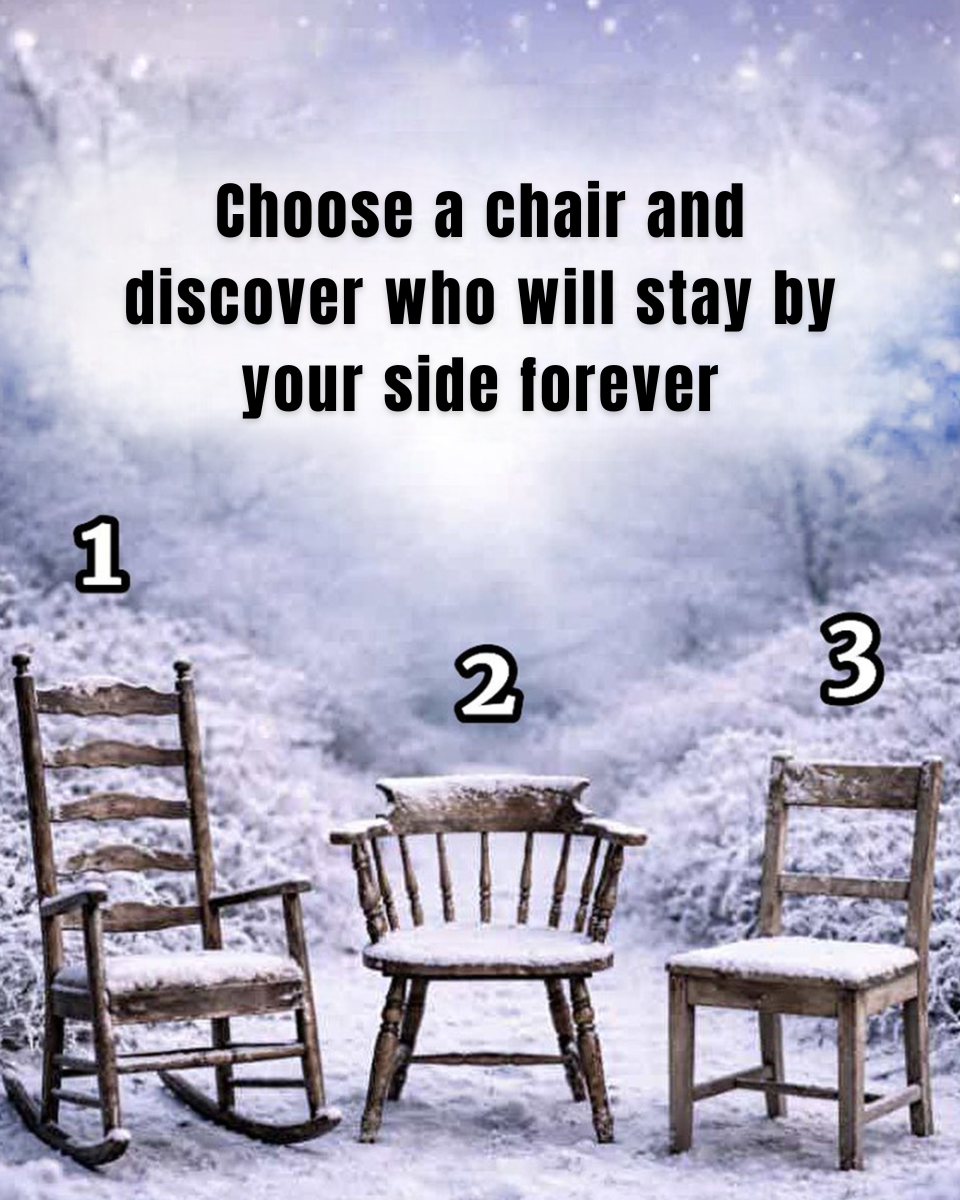
You walk into a bright, empty room. Six chairs stand waiting, each with its own silhouette, its own attitude, its own unspoken promise. Before logic kicks in, one of them catches you. You sit. And according to the personality test that has flooded feeds for years, that split-second choice says more about you than you'd expect from a piece of furniture.

Why a Silly Test Feels Accurate
Let's get the disclaimer out of the way: no peer-reviewed science links chair preferences to personality typology. What these tests do work with is projection — the mind's habit of embedding its own priorities into ambiguous choices. When you pick the chair that "feels right," you're revealing what comfort, status, or freedom looks like to you at this exact moment in your life. That's not measurement. It's a mirror with a sense of humor.
And honestly, that's the fun of it. So look at the image, choose without overthinking, and read on.
Chair 1: Balance as Your Compass
Drawn to the first chair? You're likely the steady one — the person friends call not for excitement but for clarity. You like structures that hold, plans that survive contact with reality, and harmony that isn't just the absence of conflict. Even amid chaos, your thermostat stays set to calm. People instinctively bring you their problems because you return them with solutions, or at least with perspective.
Chair 2: A Natural Leader's Temperament
The second chair attracts the decisive. You'd rather apologize for moving fast than stagnate waiting for permission. Challenges don't intimidate you; they wake you up. There's real magnetic ability here — you bring people along with you, not by force but by certainty. Ambition without domination is a rare blend, and you wear it naturally, whether you're running a meeting or a barbecue.

Chair 3: A Free and Creative Spirit
Choosing the third chair points to an independent soul allergic to unnecessary rules. You follow your own path even when the crowd's path is shorter, and your originality shows up in everything from how you dress to how you solve problems. People admire you partly because you never ask for their permission to be yourself. Structures that help you are welcome; structures that cage you are gone by morning.
Chair 4: The Everyday Explorer
The fourth chair belongs to the curious. You don't need a plane ticket to feel alive — a new café, a new project, a stranger's story will do. You have a gift for converting routine into novelty, which is basically a superpower against burnout. Adaptable and quick to reframe, you treat change not as a threat but as the interesting part of the day.
Chair 5: Sensitivity Worn on the Surface
If the fifth chair drew you in, you feel first and analyze second. You notice the tension in a room before anyone speaks and the sadness behind a friend's "I'm fine" before they admit it. This sensitivity is often mistaken for fragility, but anyone who knows you understands it's actually attentiveness — you simply refuse to go through life numb. Your loyalty runs deep and your apologies, when needed, arrive complete.
Chair 6: The Quiet Strategist
The final chair tends to attract observers — people who watch, weigh, and only then move. You're likely the least impulsive person in your group chat, and also the one whose rare pronouncements carry outsized weight. You'd rather be correct than first, and you play long games that others only understand when you've already won them. Patience, in your hands, is an aggressive strategy.

The Real Takeaway
Did your chair description land close to home? Most people find at least seventy percent accuracy — which says less about mystical furniture and more about how consistently our instincts express who we are. Use the test the way it works best: as a five-second nudge toward self-reflection, and maybe as a reason to ask the person beside you which chair they chose. The answer might explain more about them than the last three conversations you had.
When the Answer Doesn't Fit
Some readers will scan all six descriptions and feel seen by two of them. That's normal — most of us are blends, not archetypes. Try this: pick the chair that feels like rest, then the one that feels like ambition. The gap between them often reveals the tension you're actually living with, the one between who you are on weekends and who your calendar demands on Mondays. Personality tests are most useful at the edges, where a comfortable self-image wobbles. If the exercise made you pause at all, it already did its job.
Make It a Party Question
The chair test earns its keep as a social game. Ask it at dinner and watch the table split into confident camps within seconds — then defend their choices with the passion usually reserved for sports teams. The reveal works both ways: you learn how friends see themselves, and they learn how you want to be seen. Keep it light, keep it playful, and don't be surprised if the quietest person in the room picks the boldest chair. Sometimes furniture is the only safe place to express ambition.