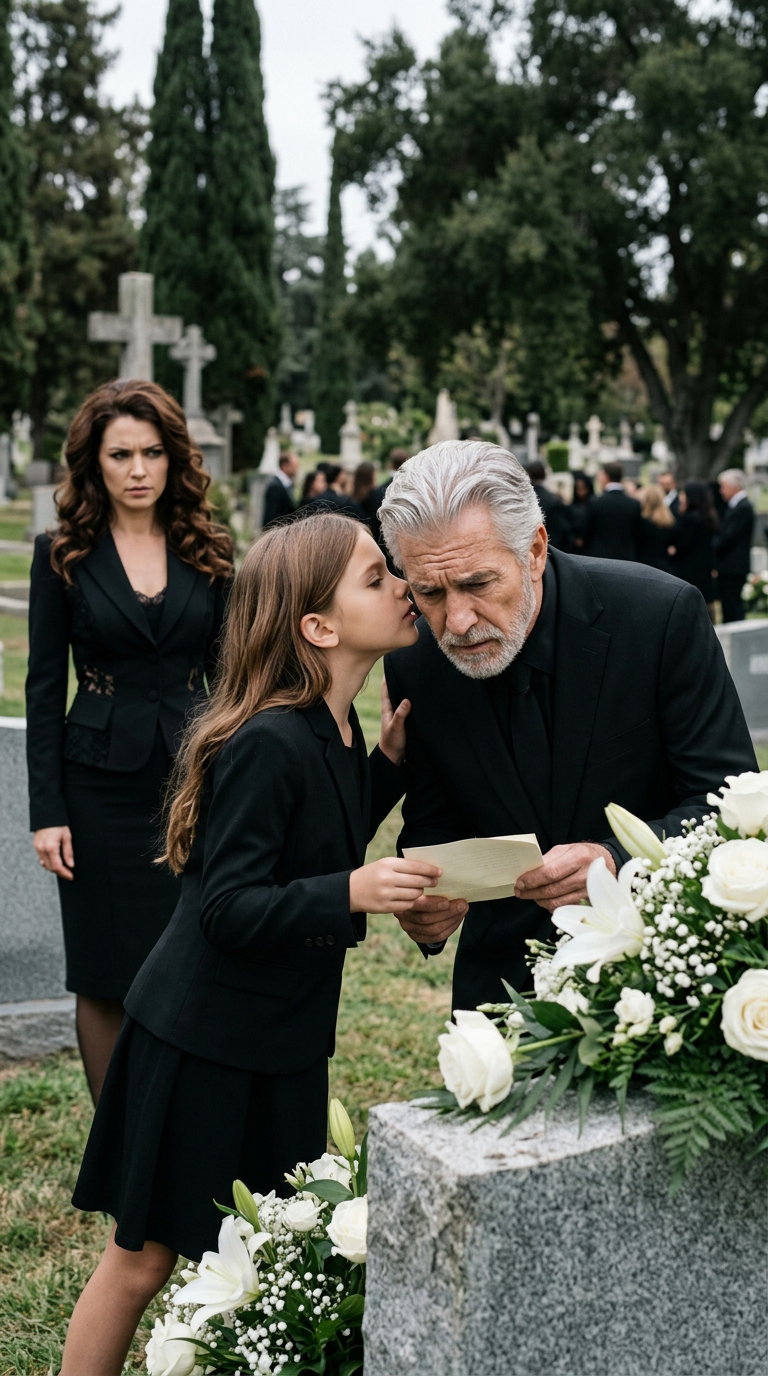
"If that woman sees this envelope, my mom says something could happen to me too."
A nine-year-old whispered that to me at my son's funeral, and it is the reason I stopped accepting the official version of his death. Her mother had sent her to find me, and the worn envelope in her hand was worth more than every sympathetic visit I had received in the three weeks before.
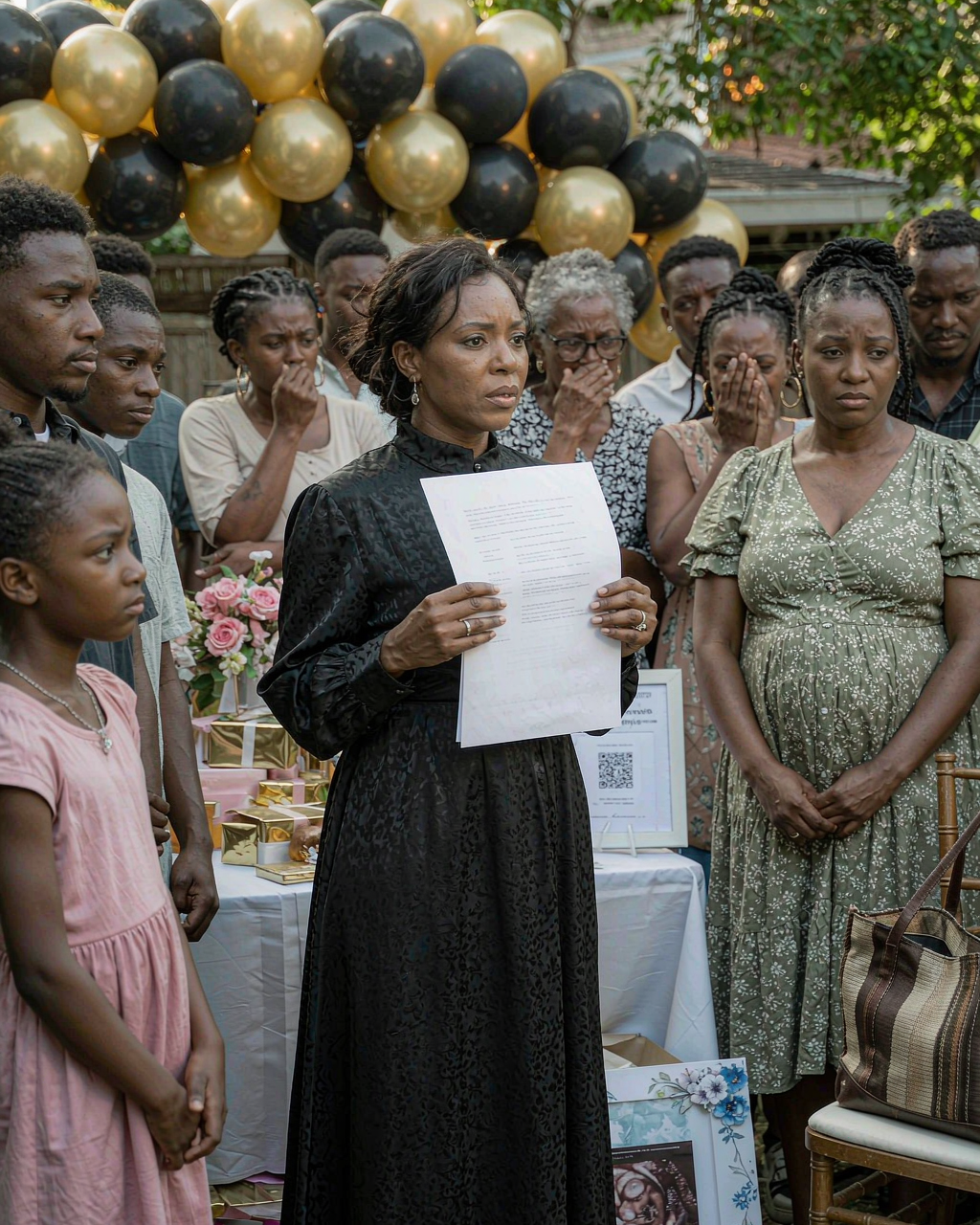
I am sixty-eight years old. I have buried a wife and a brother, and neither prepared me for standing at Michael's grave outside Austin. Michael was thirty-six. Three weeks earlier, his truck had left the highway on a delivery run, and every explanation I had been given since felt hollow, the kind of answer assembled to close a file rather than to explain anything.
I kept repeating one sentence to myself so I would not lose my mind. He was a careful driver. He was always a careful driver.
Then I felt a small hand tugging at my coat sleeve.
The Girl in the Blue Jacket
The girl looked about nine, with dark hair, a blue jacket far too big for her, and eyes that did not belong to a child. She kept glancing toward Vanessa, Michael's widow, who stood surrounded by relatives and several executives from Sullivan Freight, the company Michael had driven for since he was twenty-two.
"What's your name?" I managed to ask her.
"Emily."
"And your mom?"
"In the hospital. Miss Marilyn brought me. She's waiting outside. My mom said I had to find you and give you this without Michael's wife seeing me."
She pressed a worn envelope into my hand. The paper had gone soft from being carried a long time. Then she slipped back through the crowd and was gone before I could ask her anything else.
What the Envelope Said
I waited until I got home to open it. Some part of me understood that whatever was inside needed to be read behind a locked door, so I sat at Michael's old bedroom desk with the lamp pulled close. The handwriting was careful and small, the writing of a woman forcing her hand to stay steady.
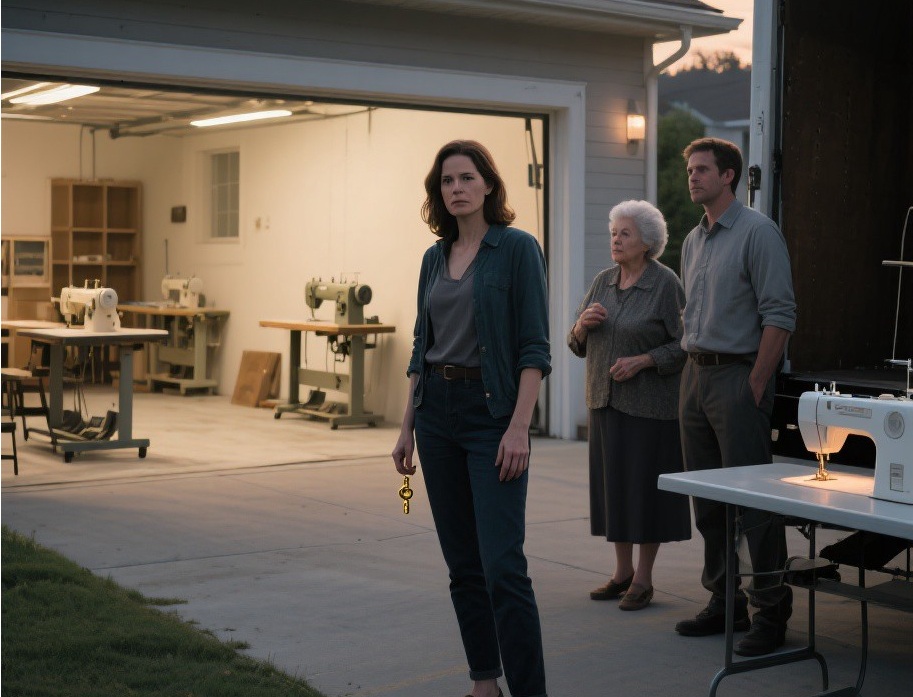
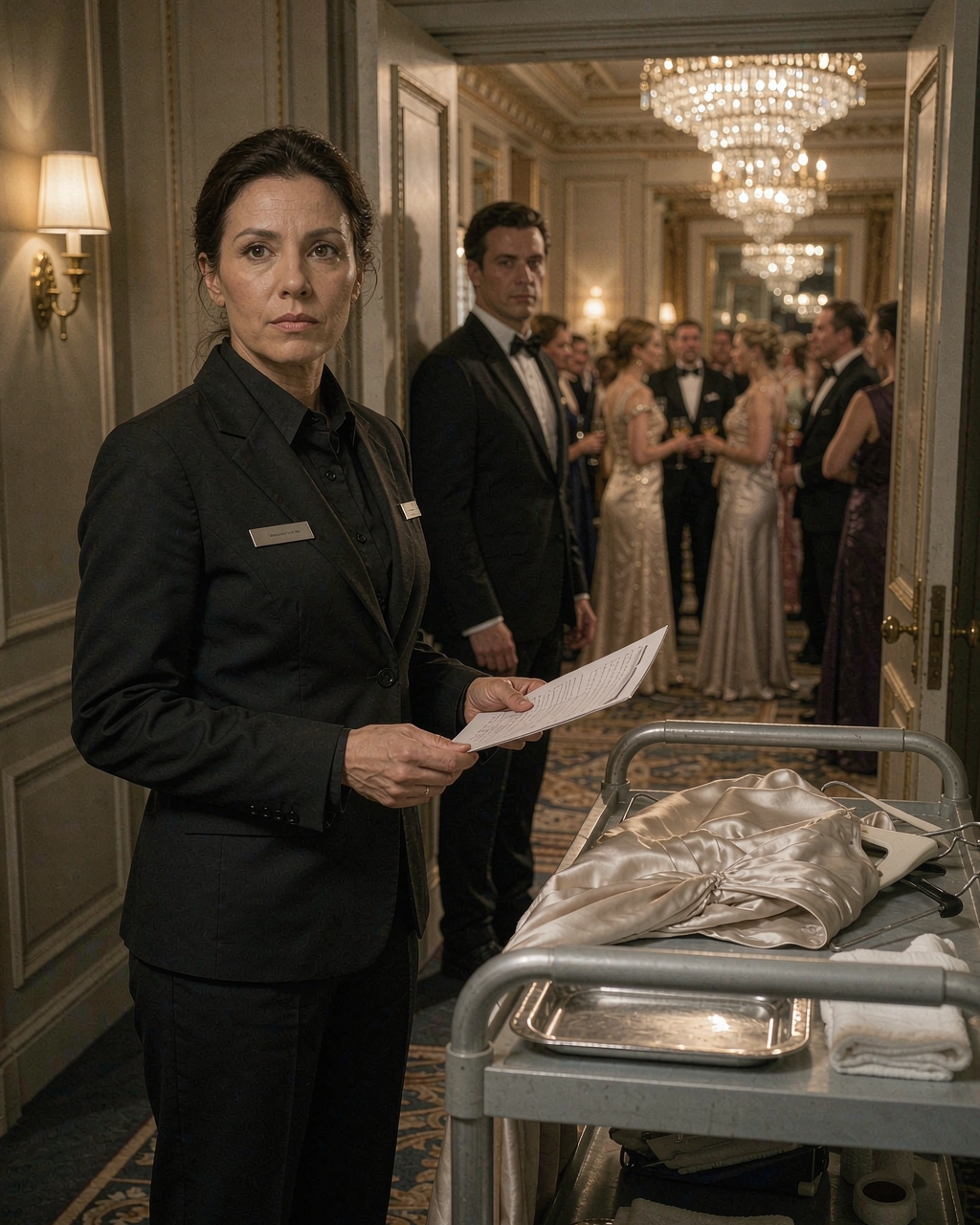
The letter was from Marilyn, who had been a dispatcher at Sullivan Freight. Michael, she wrote, had found something he should never have found while going through the maintenance logs for the Austin depot. Trailers were being signed off as inspected when they were not. Repairs were being skipped. Inspection records were being backdated. Michael told his supervisor, and ten days later his truck lost its brakes on a hill road.
Then came the part that made me read the page twice. She told me not to sign anything. She told me not to let the company handle the funeral costs, because they would use that to buy my silence. She and her daughter were witnesses to how they had treated my son in his last two weeks. She was writing from a hospital bed because two nights earlier a car had followed her and run her off the road. If anything happened to her, Emily knew where the letter was hidden.
The Check That Bought My Silence
Everything fell into place with a click I could feel in my teeth. Three days after the accident, a representative from Sullivan Freight had appeared at my door with genuine sympathy and an unusually generous check to cover all arrangements and expenses. I had been grateful. I had signed a stack of papers that evening, and one of them, I now understood, was a legal release.
Vanessa had arranged the whole thing. She had been pleasant, efficient, and insistent about every document, and I had read her attentiveness as grief management. It was containment. A release is not a kindness; it is a trade, and what gets traded away is the right to ask questions later.
Three Instructions From Dallas
I did not sleep that night. In the morning I called my nephew, an attorney in Dallas, and read him the letter over the phone. He gave me three instructions. Photograph every page. Put the original in a safe deposit box. Say nothing to anyone at the funeral home, the company, or the family until he had reviewed the papers I had signed.
Then he told me something that made my blood run cold. The release could be void if it had been obtained through misrepresentation, but only if we could prove the accident involved willful misconduct. Proving that meant finding the maintenance logs Michael had discovered, which meant going through the company rather than around it.
The state police reopened their questions when my nephew formally presented the letter as new evidence. Investigators pulled the depot's inspection records and, according to the findings reported months later, discovered exactly what Michael had found: a pattern of skipped brake inspections and backdated certification signatures stretching back two years.
What Came Out
The company's operations manager was indicted, two supervisors were dismissed, and Sullivan Freight settled with my family and with Marilyn's in terms I am not permitted to detail. Vanessa was never charged. To this day I do not know how much she understood of what she was helping to bury, and I have stopped pretending that not knowing is the same as innocence.
She left the state with the children after the settlement. My grandchildren are with me every Sunday now.
Marilyn recovered from her injuries. I visit her and Emily on the first Saturday of every month. Emily, who is eleven now, calls me Grandpa without any ceremony, as if it had always been true.
What I Tell Other Parents Now
If you ever lose someone suddenly and strangers appear offering to make everything easy, every expense covered and every paper pre-signed, stop. Grief makes us hand over our judgment along with our signatures, and there are people, and companies, who count on exactly that. Read what you sign. Ask what you are releasing.
And if a frightened nine-year-old ever presses an envelope into your hand and tells you her mother said to keep it from someone in your own family, believe her. Take it home. Open it alone. It may be the last honest thing anyone gives you.
Michael was a careful driver. He was also, in the last weeks of his life, a brave man who refused to look away from what he had found. The letter reached me because two people decided it had to. Making sure he was not erased is the least I can do, and it is the work I have left.