The call from my neighbor came twenty-one minutes after I watched my eleven-year-old son round the corner on his first walk home alone. She was crying too hard to be understood at first, and my stomach dropped before she finished a sentence. That afternoon taught me that my son had been learning from me all along, in ways I never noticed and could not control.
To explain why that afternoon rearranged my idea of parenting, I have to go back five years. I was thirty-three, and my life had narrowed to two things: raising my son and paying for a marriage that no longer existed. My ex-husband, Patrick, left on a Tuesday morning without warning. He kissed our six-year-old son goodbye and drove off while I was in the shower. When I called him, confused, the conversation went exactly as badly as you are imagining.
"What? Where are you?" I asked, gripping the phone.
"Somewhere I can think clearly because I've been unhappy for years," Patrick replied.
"Then come home so we can talk about this."
"There's nothing left to discuss."
"What about Mason?" I demanded, my voice breaking.
"He'll be fine," he said, speaking as though our son were someone else's responsibility, and hung up.
Growing Up Fast
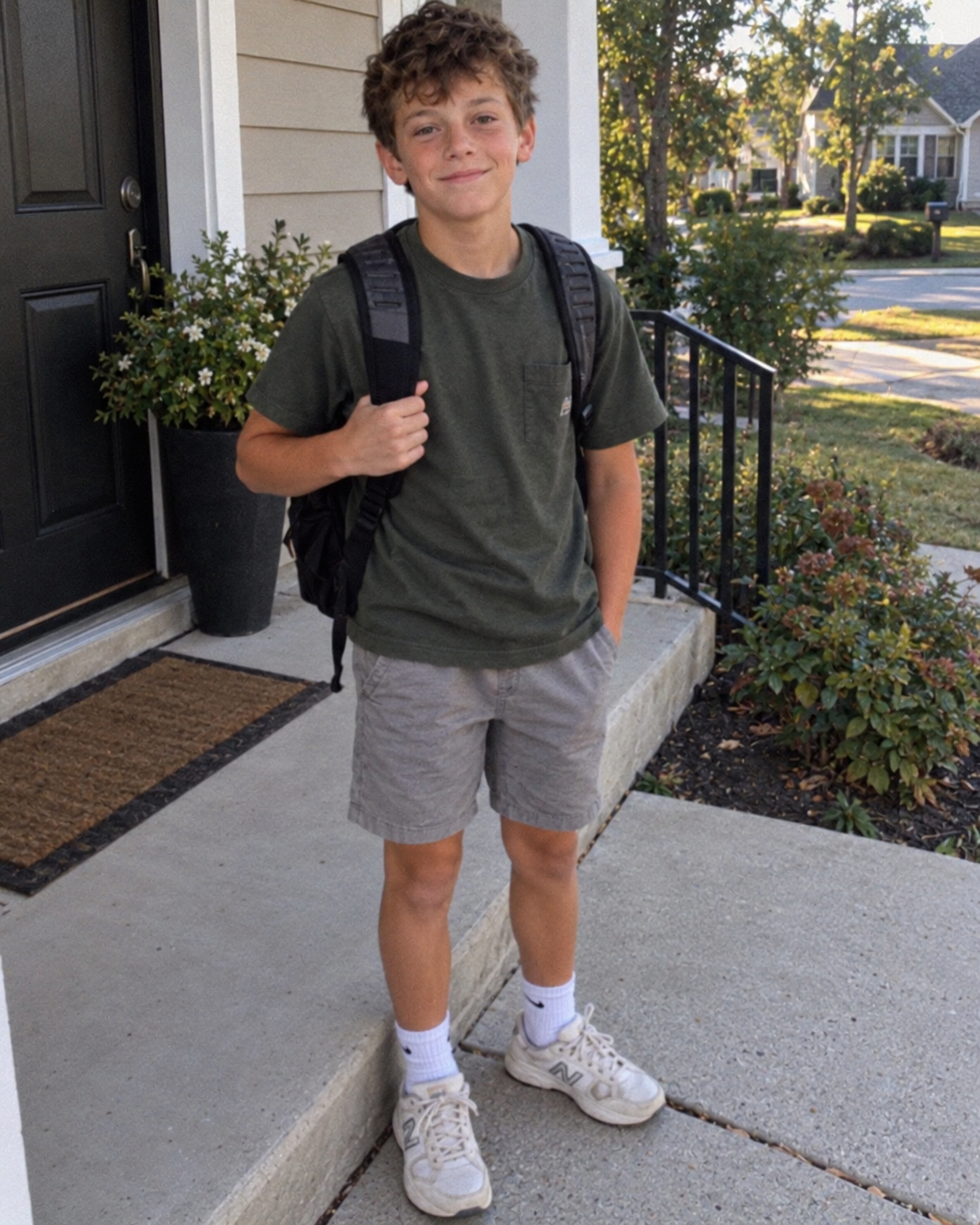
Patrick left us drowning in credit card debt and unpaid loans. I worked early mornings at a dental office and cleaned an insurance agency at night. Mason grew up fast, making his own sandwiches before he had mastered his multiplication tables, and he never once complained. When he pointed out that his sneakers had "a hole near the toe," I smiled and said, "These still work just fine," and he nodded like a man who understood budgets.
That kind of child does not stay a child, and I have never been sure whether to be proud or sorry about it. Both feelings arrived at the same time and have stayed. He was competent because he had to be, and I told myself competence was a gift, because the alternative was admitting what it had cost him.
The first walk home alone was my idea and his milestone: twenty minutes, four blocks, one main crossing with a guard. I stood on the porch, watched him disappear, and felt the particular ache of a mother measuring her usefulness in shrinking distances. I got exactly twenty-one minutes of that feeling before my phone rang.
The Call
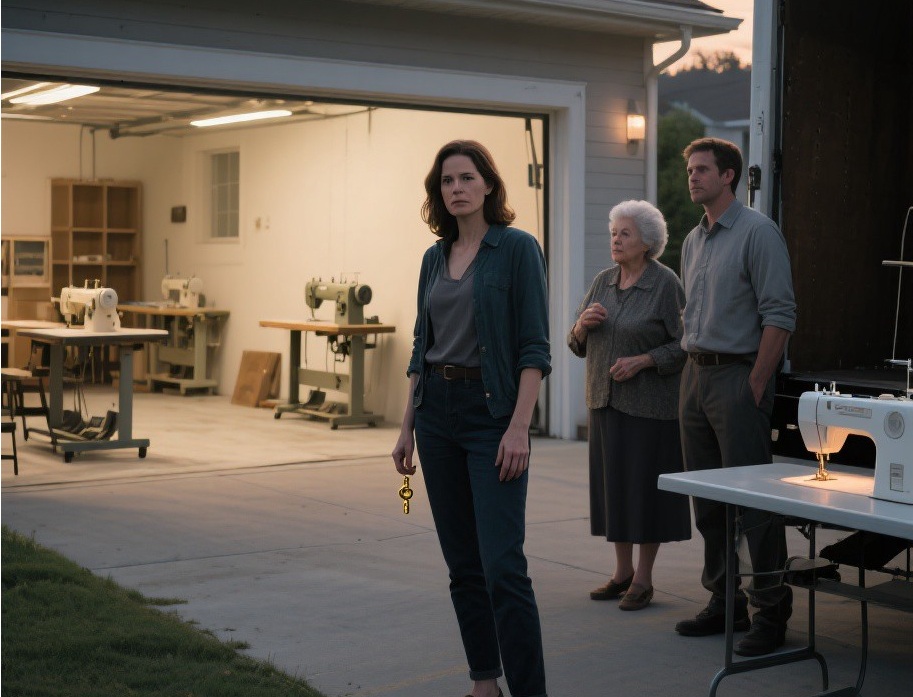
It was Diane, my neighbor, and she was crying. "Get outside. You need to see what your son has done." Her voice made my stomach drop before her words landed. I ran the two houses down and found the scene she meant: Mason standing in front of Diane's fence, surrounded by flattened cardboard boxes, her discarded moving boxes, which she had left out for trash and which he had collected into a pile.
Diane had confronted him, loudly, about touching other people's property, and Mason had stood there silently while she scolded him in front of the whole street. That was the humiliation I had braced for when I saw them. What I did not understand, standing there, was why Diane was the one crying.
Then Mason spoke. "I'm sorry, ma'am. I took them because it's supposed to freeze tonight, and your water pipe under this fence is wrapped in newspaper. I saw it when your hose leaked last week. I was going to build a windbreak around it before dark, and then take the cardboard to the recycling after, honest. My mom says the pipe burst two winters ago and it cost you a lot."
What He Knew
He knew all of that from a passing conversation between adults two winters earlier, when I had mentioned Diane's burst pipe and her broken winter. She had filed away the fact that a struggling single mother remembered her misfortune. Now my son had carried that memory for two years and acted on it the first afternoon he had the freedom to do so.
Diane had been braced for a lecture, or worse, a lawsuit-minded parent. Instead she looked at the pile of boxes, at the exposed pipe she had genuinely forgotten to insulate, and then at the boy in the hole-toed sneakers, and she came apart completely. She apologized to Mason in front of everyone. Then she looked at me and said something I have kept since. "You're doing this alone, aren't you? He's out here freezing-proofing my pipes alone. Whoever taught him that - that's you."
The Street That Noticed
The aftermath was quiet and enormous. Diane refused to let Mason throw away the boxes. She helped him finish the windbreak, served him hot chocolate at her kitchen table, and made the point that being wrong quickly is survivable when you apologize fully. By the weekend, three other neighbors had asked Mason whether he wanted odd jobs, raking, shoveling, hauling, and they paid him properly. He saved up and bought his own new sneakers, then a second pair of work boots for the jobs. The first walk home alone became a weekly institution.
What I Learned on the Porch
I spent five years believing I had failed Mason by not giving him more: more money, more stability, more of a father. That afternoon corrected me. What I had actually given him was a model. Work early. Notice other people's problems. Apologize when you are wrong. Do the right thing even when, from the outside, it looks like you are doing something wrong.
Children do not learn generosity from lectures. They learn it from watching what you do when no one is grading you. Mason had watched me for eleven years, quietly, and had built himself into someone who spent his first taste of freedom on a stranger's frozen pipe. Diane called me outside expecting to shame us both. Instead she saw the thing her own childhood had been missing, and mine had been building all along.
He walks home alone now without me counting the minutes on the porch. I am not less afraid than I was that first afternoon. I am just less necessary, and those turn out to be different things.