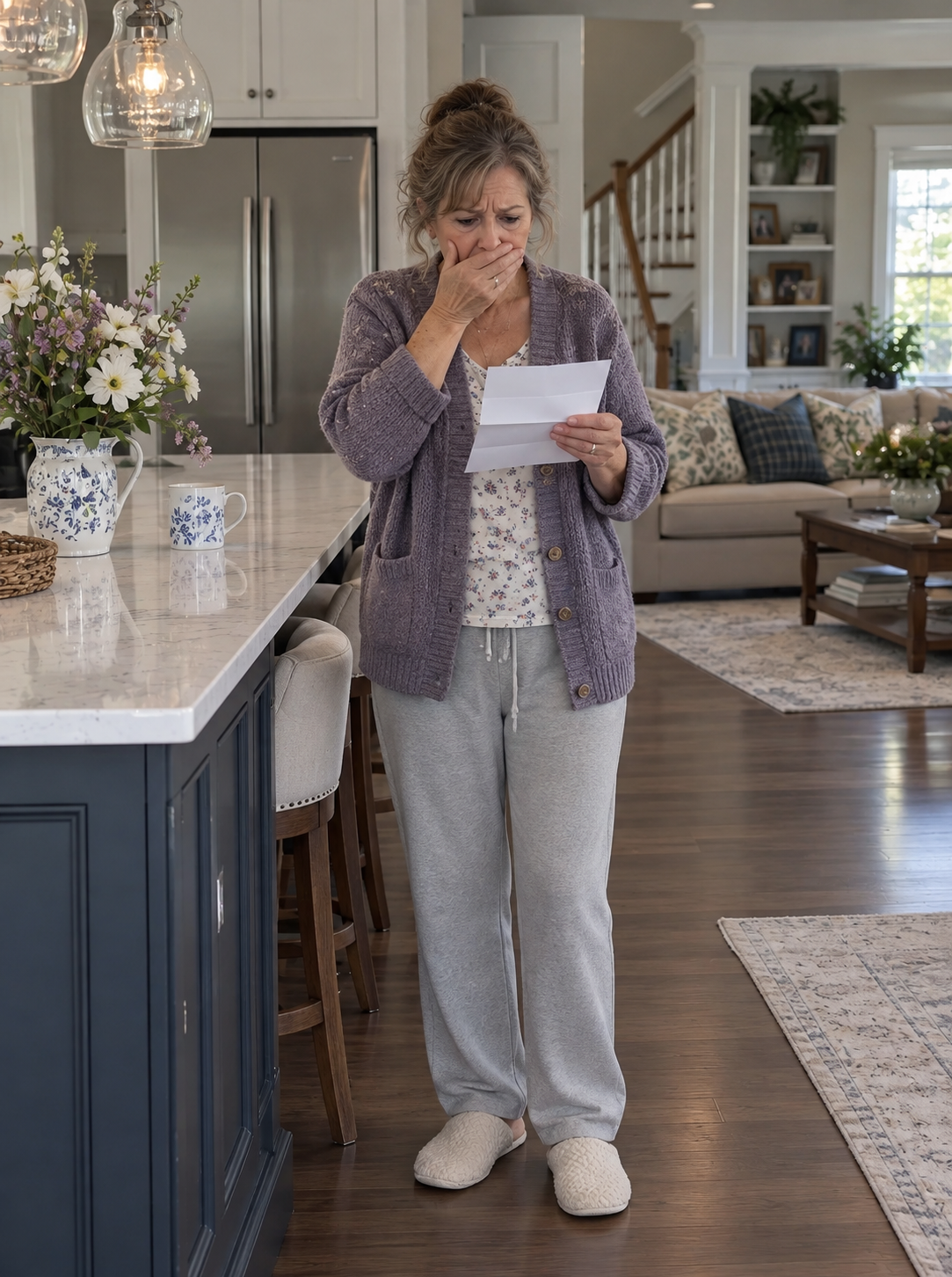
The note was pinned to the refrigerator with a turkey-shaped magnet, which was the first insult, because whoever typed it understood exactly what day it was. I read it three times, standing alone in my son's kitchen in Boulder, Colorado, while the cinnamon candles I had brought for Thanksgiving dinner sat unlit in my purse. By the third reading I understood that the words were not careless. They were accurate. I had been a tenant in that house for three years, and the only person who had not been told was me.
"We left for Hawaii today, so please do not worry, Mrs. Florence. At your age, it is much better for you to stay home and rest."
Mrs. Florence. My own son's note addressed me the way you address a tenant, or a client, or a stranger whose first name you have not bothered to learn. It took me seventy-one years to understand that language reveals everything, and that morning the language was telling me exactly where I stood.
The Arrangement I Should Have Refused Sooner
Let me explain the arrangement, because this is where most readers will start judging me, and I would rather you judge accurately. After my husband David died, my son Benjamin insisted I sell my little house and move in with his family. He used the word "family" a lot. What he actually proposed was that I hand over the proceeds of the sale, roughly 460,000 dollars, and live in a room above the garage in his new house, contributing 2,400 dollars a month toward "household expenses."
I said no to the money part. I kept my savings in my own name and paid him rent like a boarder, because I have always believed that gifts and family should not be entangled. Looking back, that was the smartest decision I made in the entire sad business, though it would take Benjamin five days to realize it too.
For three years, I cooked for the children, Sophia and Liam, waited for the school bus, folded laundry, and paid my rent on the first of every month. My son's wife, Dana, called me her "live-in angel" to her friends. I heard her say it once, and I remember the phrase landing somewhere cold in my chest. An angel, in that house, meant someone who worked without being paid.
Thanksgiving Morning
That Thursday, the house was silent in a way houses only are when everyone has left on purpose. I called up the stairs for Sophia. Nothing. I called for Liam. Only the high ceilings answered. Upstairs, the children's beds were made, their backpacks gone from the hooks, their winter jackets missing from the closet. In the master bedroom, the closet door hung open and the suitcases were gone.
Then I found the note, and a strange, sudden calm settled over me, the kind of peace that arrives just before pain knows where to sink its claws. They had flown to Maui. Ten days. Dana's Instagram story that afternoon read "Family Thanksgiving in paradise! #blessed," with a photo of four tickets. Four.
I did not fall apart. I want that recorded clearly, because Dana later told everyone I had "an episode." I made myself a cup of coffee, sat at the kitchen island, and thought about a phone number I had saved months earlier and never used.
The Document That Saved Me
The next morning, I called a senior relocation service in Boulder. The owner, a kind woman named Pat who has seen every version of family there is, asked me one question: "Do you have a signed lease?"
I did. Three years of signed leases, because I had insisted. Benjamin had thought it was quaint. Dana had thought it was distrustful. It turned out to be the single most protective document in my life, and it cost me nothing but the discomfort of asking.
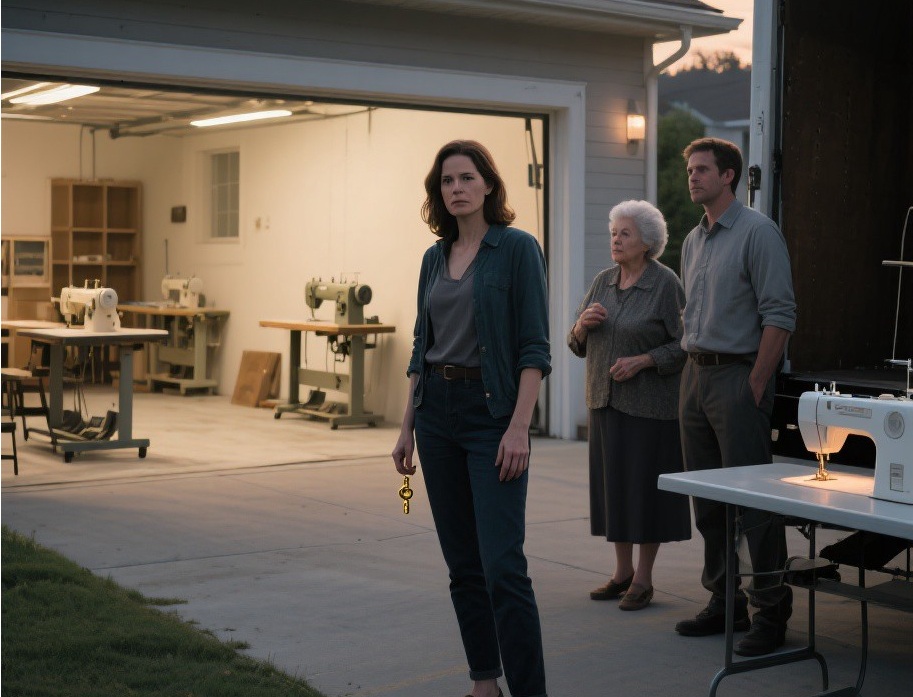
Pat's team packed my room above the garage on Monday, while the family was still posting luau photos. I left rent paid through the month, the kitchen stocked, and a note of my own on that refrigerator, pinned under the same turkey magnet.
"Dear Ben and Dana, the lease I signed is a month-to-month, and I am exercising my right to end it. I have moved to the Cedar Grove Senior Community, which I chose myself, with my own money. Your lease with my forgiveness has been terminated for cause. Merry Christmas. Love, Mom."
Five Days Later, the Phone
Five days later, on the Tuesday after Thanksgiving, my phone began ringing and did not stop. Benjamin first, confused, then frantic. Dana, four times, her voice climbing with each message from a beach in Maui where the free childcare and free cooking had just evaporated. My nephew. My daughter-in-law's mother, who called to say, with audible satisfaction, "Good for you, Florence."
Benjamin flew home early. He sat across from me at Cedar Grove's little cafe with his head in his hands and said the sentence I will treasure longer than any apology: "Mom, you can't just leave. You're part of the house."
"You are right," I told him gently. "I was part of the house. Like the water heater, only cheaper. The difference is, the water heater never got a note telling it to rest."
What I Know at Seventy-One
I am not going to pretend the story ends in reconciliation. My son is in counseling, which I insisted on before I will accept his Sunday visits, and the children video-call me from his house every week. Sophia told me last Sunday that her mother said grandma had "abandoned the family." My granddaughter is twelve. She looked straight into the camera and said, "Grandma, who was watching us when they left for Hawaii?"
Here is what I know now, and what I would tell any older person reading this. Love does not require you to be unpaid staff. A signed lease is not distrust; it is dignity on paper, and it is the reason I could leave on a Monday instead of begging on a Tuesday. The moment you notice that your family's affection arrives mostly in the form of convenience, you are allowed to make other arrangements.
The Sunday visits are still probationary. Benjamin knows it. I am seventy-one, I have a lease in my own name and a key to my own door, and I have stopped treating either of those things as a negotiation.