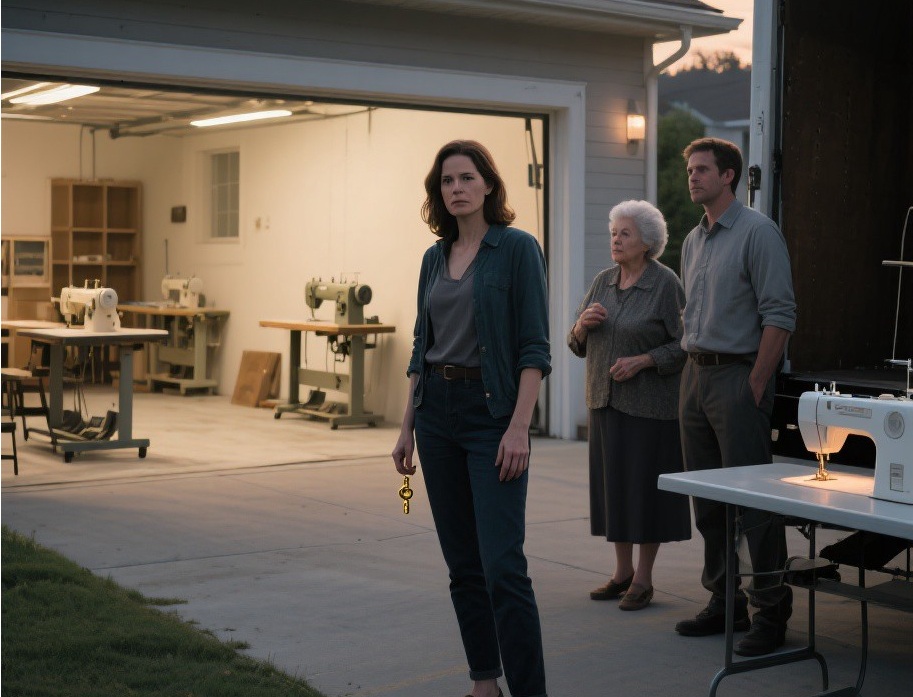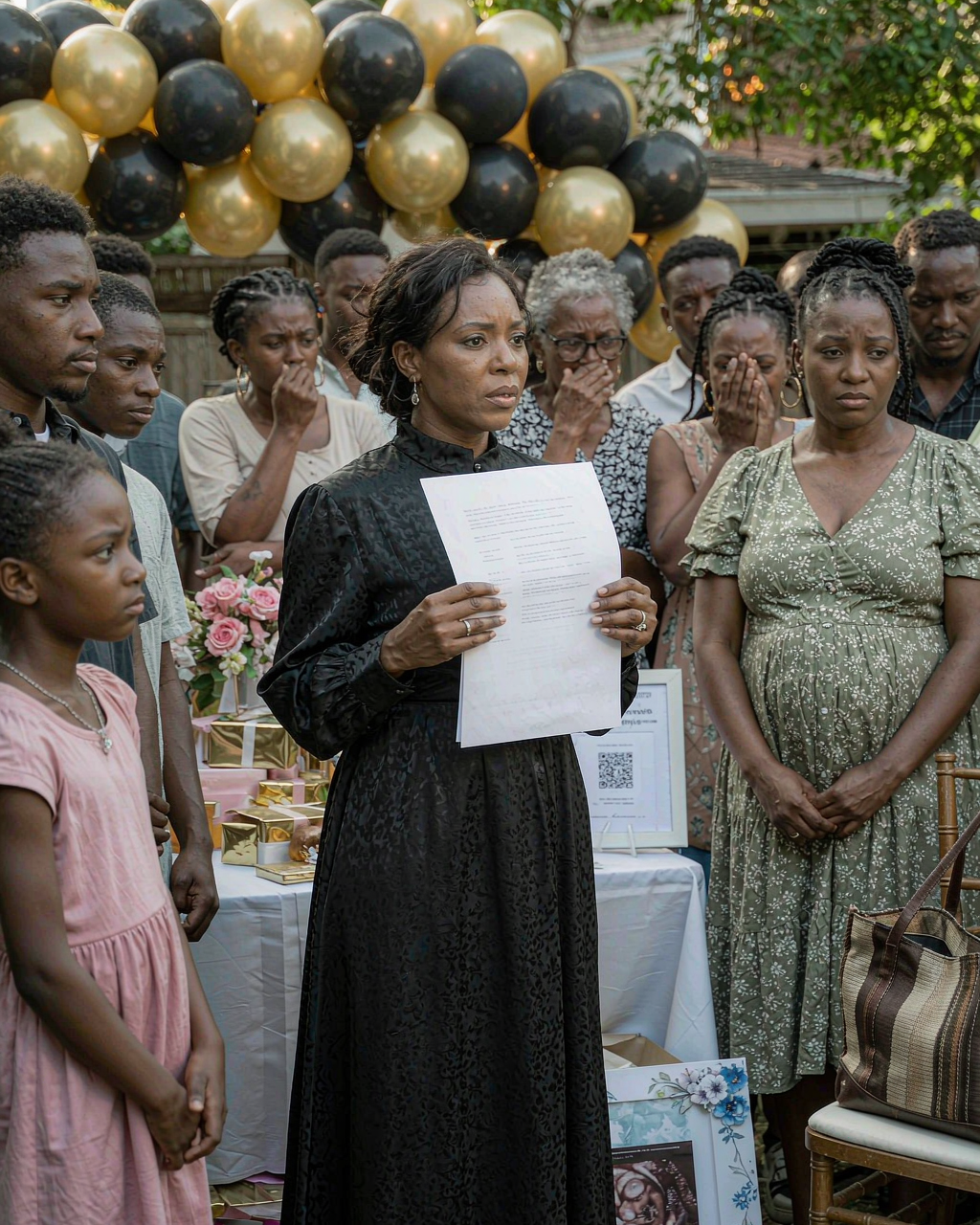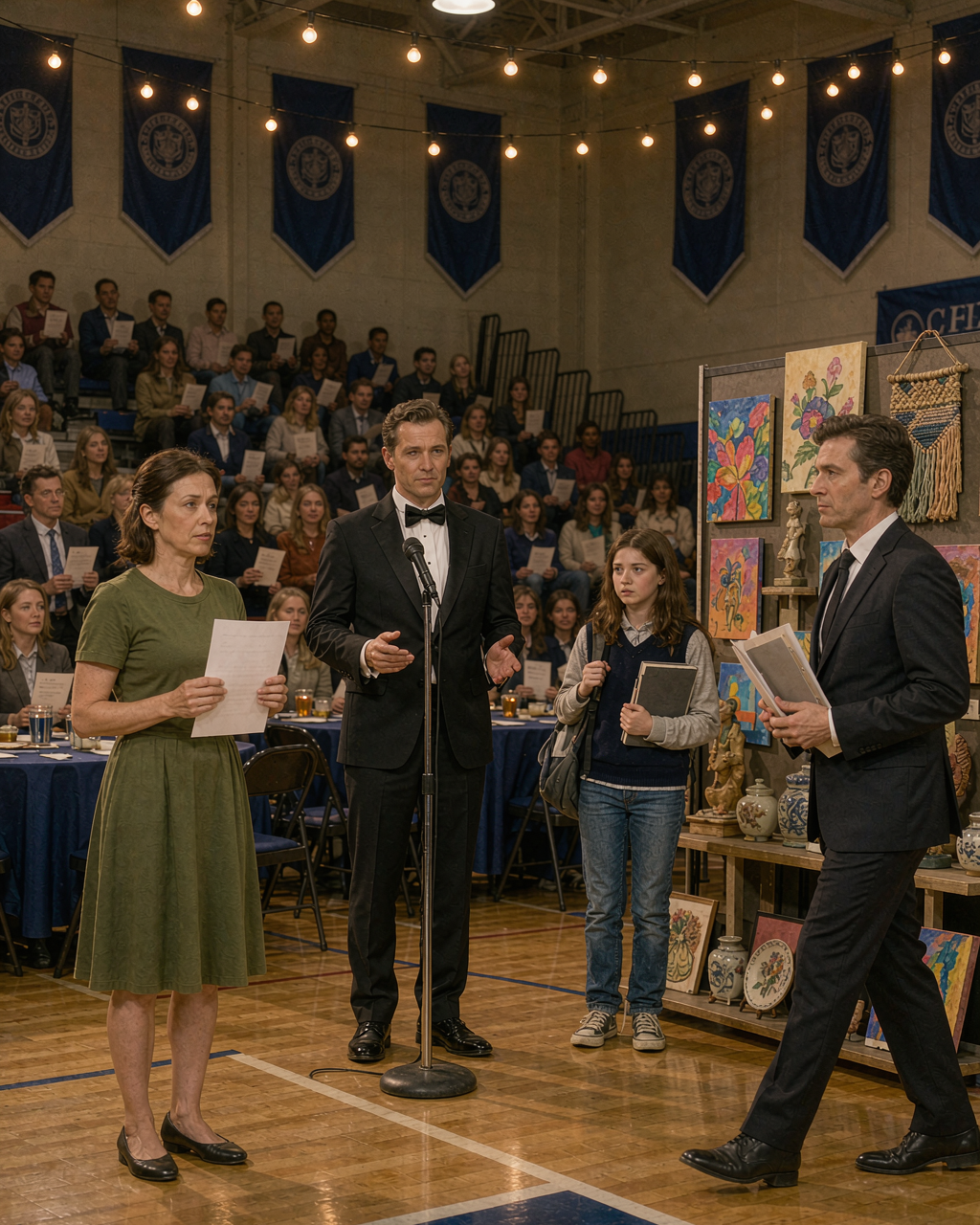
This is an original work of fiction. Characters, advisers, and events are invented.
Our forty-fifth anniversary slideshow ended with a photograph of the house Frank and I bought in 1981.
Then my husband handed our son a folder.
"Michael," Frank announced to forty guests, "your mother and I are giving you the house."
I had never agreed to give anyone our house.
Part 1
Frank and I were both twenty-two when we bought the small Ohio colonial. We raised two children there, replaced the roof twice, and finally paid off the mortgage in our sixties.
Michael was forty-one, married, and renting after his restaurant closed. He and his wife, Dana, had two children and rising housing costs. We helped with school clothes and groceries when needed.
Three months before our anniversary, Frank began talking about legacy. He worried taxes or long-term care would consume everything we built. He believed transferring the home early would protect it for family.
I said any estate decision required independent advice and both signatures.
He agreed.
Then an appraiser visited while I was at a dental appointment. Frank said it was for updated insurance. Michael measured the basement and called it a future bedroom. Dana asked which furniture I planned to keep "when we downsized."
Each comment had an explanation until the anniversary folder connected them.
Inside was a prepared deed naming Michael and Dana as owners while reserving a right for Frank and me to remain in the house. My signature line was marked with a yellow tab.
Frank expected me to sign beside the anniversary cake.
Guests applauded. Michael cried. Dana recorded everything on her phone.
I closed the folder.
"This is not our gift," I said. "It is Frank’s proposal, and I am not signing it tonight."
The room became silent enough to hear the slideshow music restart.
Part 2
Frank accused me of humiliating him. I reminded him that he created the audience.
Michael said his father had promised the transfer for six weeks. He and Dana had already told their landlord they would not renew after summer.
That was the pressure Frank intended. If plans were advanced and witnesses emotional, my caution would look like cruelty.
The next morning, I placed the unsigned folder in our bank box and scheduled an appointment with an elder-law attorney and a tax adviser. Frank was invited but declined the first meeting.
I learned the deed could affect taxes, creditor exposure, control of future sales, and eligibility planning in ways a generic online form did not explain. Reserving the right to live there did not guarantee we could borrow against or sell the property freely.
More importantly, Michael’s restaurant business still had unresolved personal guarantees. Giving him the house could expose it to risks Frank had not asked about.
Frank finally attended a second meeting. The adviser did not tell us never to help our son. She asked what problem we were solving.
Michael needed stable housing for twelve months while rebuilding income. He did not need immediate ownership of our largest asset.
I proposed a written lease for the finished basement apartment at below-market rent. It had a separate entrance and met local occupancy requirements. Payments would cover increased utilities and taxes. The arrangement would last one year and include a review date.
Dana rejected it. She had understood that Frank and I would move to a smaller apartment while their family occupied the entire house.
That detail was new to me.
Frank admitted he had toured a senior complex without telling me. He believed I would enjoy it once I stopped being attached to old rooms.
Part 3
I was not protecting wallpaper. I was protecting the right to decide where I lived.
Our daughter, Elise, learned about the announcement from a guest. She was angry that Frank had planned a transfer to Michael without discussing whether the unequal gift would create conflict between them. I had focused on losing the house; Frank had not considered how his surprise could divide both children.
At a family meeting, we stated three facts: no transfer had occurred, Michael had no obligation to move, and future inheritance questions would not be negotiated through pressure. Michael apologized for assuming my silence meant agreement. Dana did not apologize, but she stopped referring to our home as theirs.
Frank and I entered counseling after I told him I would not discuss property again until he acknowledged that distinction. For two months, we slept in separate rooms.
He eventually admitted fear drove the plan. His father died leaving debt and confusion. Frank wanted one grand gesture that proved he had provided better. He chose an audience because he was afraid a private conversation would end in no.
Michael and Dana renewed their lease for six months. Michael found management work with a hotel group, and Dana increased hours at her accounting job. We helped with one month’s rent under a written gift letter, not an ownership promise.
They never moved into our basement. Too much resentment had gathered around the offer.
The unsigned deed had never been recorded, but we obtained written confirmation from the preparer and kept it with our records. Michael also corrected the notice to his landlord before the renewal deadline, avoiding a move based on property he did not own.
Frank and I revoked the prepared deed and created an estate plan with advice specific to our finances. The house remains jointly owned. Our children know what documents exist and where they are, but neither controls them.
We stayed married. Trust returned more slowly than affection. Frank stopped making family announcements on my behalf, and I stopped treating his fear as harmless simply because it came wrapped in generosity.
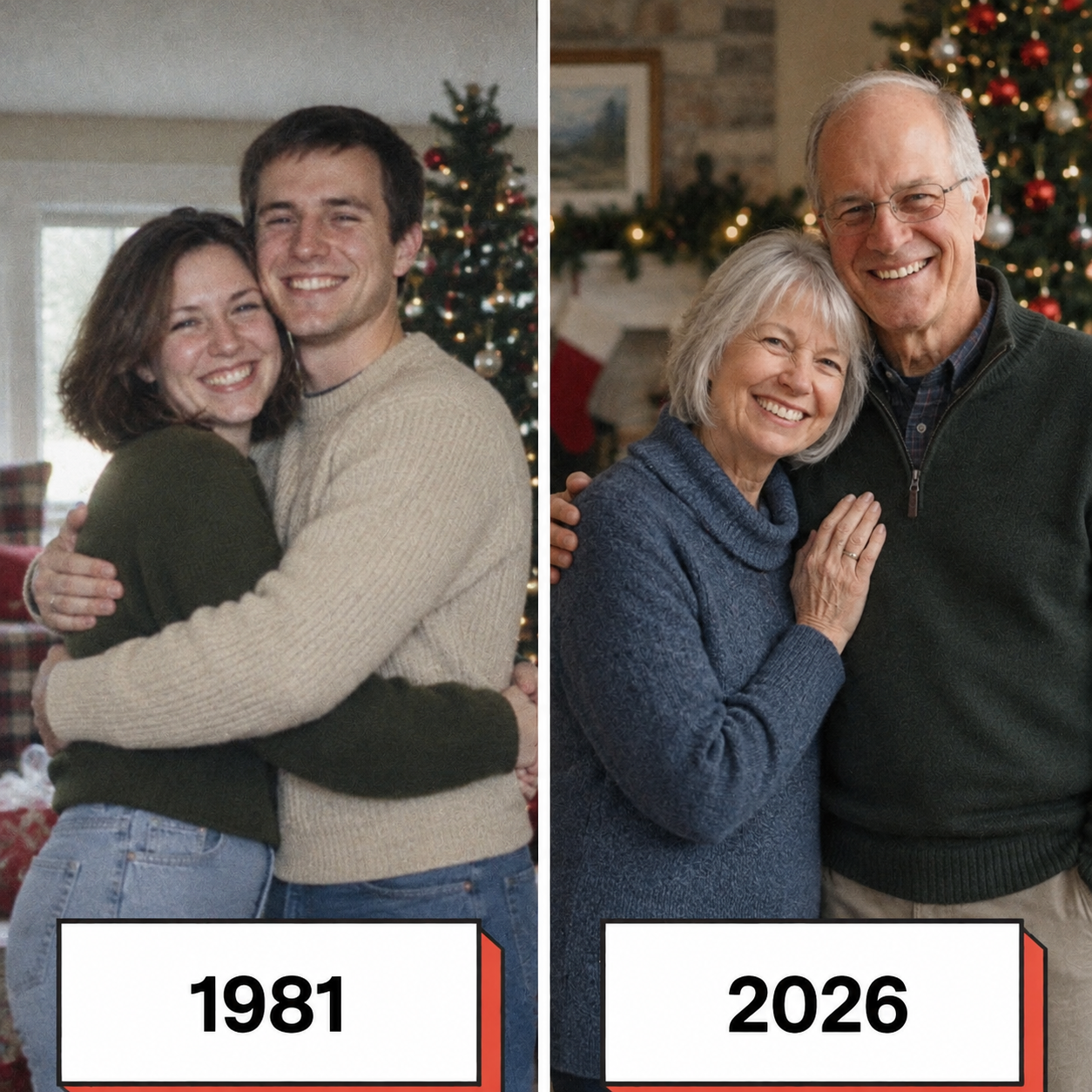
For our forty-sixth anniversary, there was no party. We ate at the diner where we had our first date and brought one photograph from 1981.
The young couple in it believed lasting marriage meant making every major decision together.
The older couple knows something harder: time does not create permanent consent. Even after forty-five years, "ours" still requires two voices.