This is an original work of fiction. Characters, cruise operators, and events are invented.
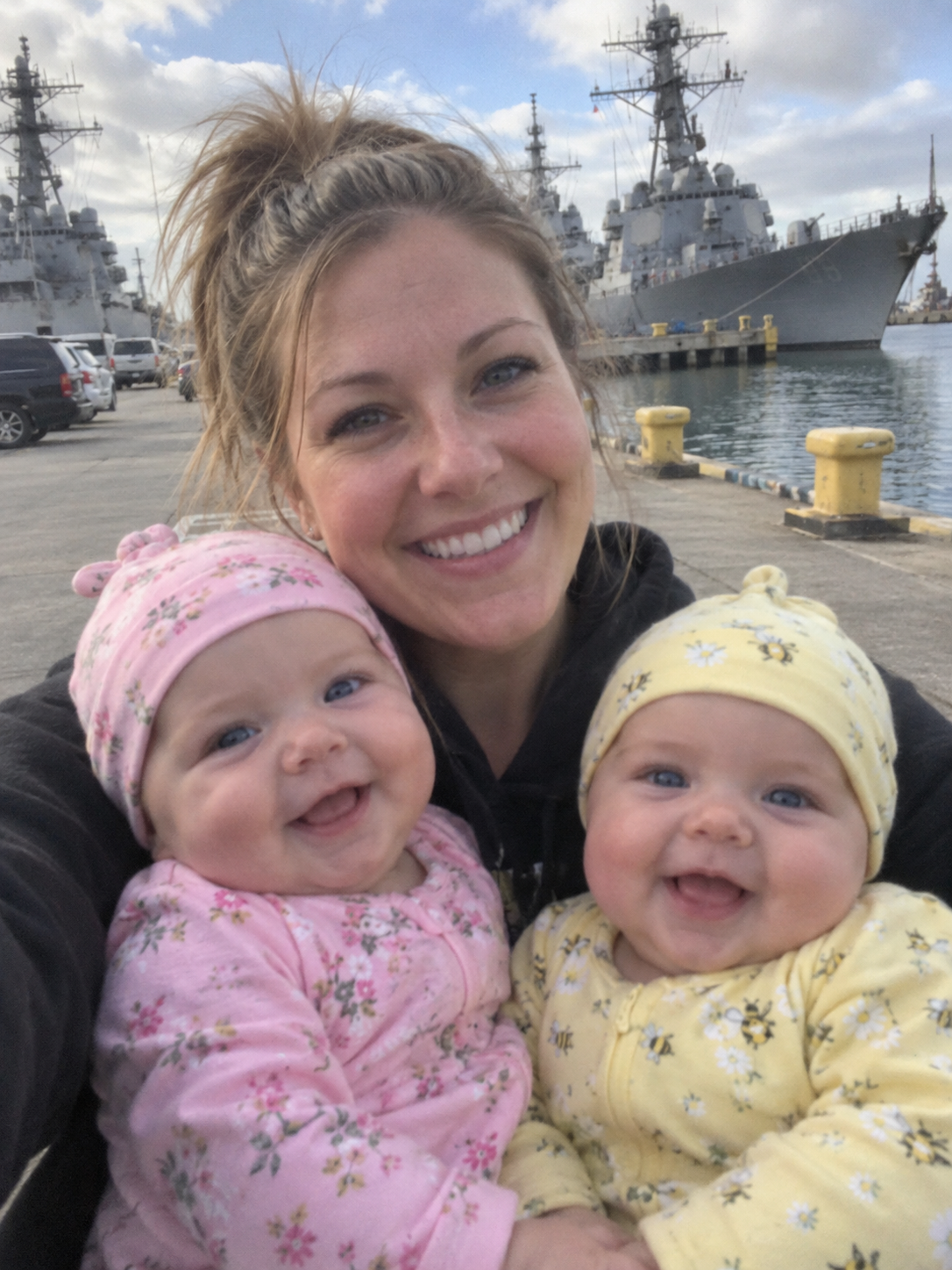
My sister asked me to hold the stroller while she checked one suitcase.
Twenty minutes later, I watched her cruise ship leave the terminal.
Inside the twins’ diaper bag was a letter authorizing me to care for them for three weeks.
I had agreed to lunch.
Part 1
My sister Amber and her husband, Luke, had eighteen-month-old twins. I loved the children and watched them occasionally, usually for one evening with at least a week’s notice.
Amber invited me to a "bon voyage brunch" at the port. She said she and Luke won a discounted anniversary cruise and wanted family photographs before boarding.
Our mother canceled that morning with a headache. At the terminal, Amber handed me the stroller and asked me to wait while she fixed a baggage tag.
Luke kissed both children and said, "Be good for Aunt Nicole."
I thought he meant for ten minutes.
Boarding announcements continued. Amber texted that security had moved faster than expected and asked me to check the diaper bag for snacks.
I found clothes, insurance cards, medication instructions, and a signed caregiver authorization dated the previous week.
The itinerary lasted twenty-one days.
I called Amber. She said the cruise was nonrefundable and they had not slept through a night since the twins were born. Mom promised I would understand once the ship departed.
Our mother had not canceled. She had helped plan the handoff and turned off her phone.
I alerted terminal staff, but the final gangway had closed. The operator contacted the ship. Amber and Luke could disembark at the first port two days later, but they initially refused.
Amber said the letter made everything legal.
A letter did not create my consent, paid leave, car seats, or twenty-one free days.
Part 2
I took the twins home because leaving them at the terminal was not an option. Then I called their pediatrician’s after-hours line to verify medication instructions and a local family-services hotline to document that the children had been left unexpectedly.
The response was not a dramatic removal. A worker confirmed the twins were safe with a known aunt, recorded the situation, and explained that procedures depended on local facts. I kept every text and the cruise itinerary.
I managed marketing for a furniture company and had a presentation Monday. My employer allowed two emergency remote days, not three weeks.
I called Luke’s sister, who covered Sunday night. A licensed childcare center the twins had previously used had two temporary openings beginning Tuesday. Amber’s emergency credit card paid the published rate after she authorized it in writing from the ship.
Once childcare cost $190 a day, the free vacation plan became less attractive.
Amber demanded that I use personal leave instead. I refused. She accused me of treating the twins like an invoice.
"You made childcare part of your vacation budget," I said. "You left the line blank."
The cruise operator arranged for them to leave at the first port. Flights home during a holiday weekend cost more than the original discounted cabin.
Before they returned, I required a written arrival time and confirmation that both parents would come sober, rested, and equipped with installed car seats. The twins were not luggage to exchange during another argument.
They returned after four nights, angry and exhausted.
Our mother arrived with them and said all parents deserved a break. I agreed. Parents also had to secure willing caregivers before boarding transportation that left the country.
Amber tried to take the twins immediately without discussing the medication log or daycare charges. I completed a calm handoff, provided the records, and asked the family-services contact how to close the safety check properly.
Part 3
During those four nights, the twins woke at different times, rejected unfamiliar food, and searched for their parents whenever the door opened. I recorded sleep, meals, medication, and video calls in one shared note. Documentation was not punishment; it let the pediatrician and parents see what actually happened while they were away.
Luke’s sister and I also agreed not to compete over who had been inconvenienced more. The problem belonged to the parents who arranged no willing caregiver, not to relatives forced to build coverage after departure.
Amber and Luke reimbursed the childcare center, Luke’s sister, and the supplies I purchased. I did not charge for my time, but I also did not accept the trip as normal family help.
For six months, I declined all solo babysitting. I met the twins at family gatherings and remained affectionate without becoming the emergency plan that could be activated by deception.
Our mother lost access to my spare key after admitting she had packed extra clothes and hidden the letter. I told her future childcare requests had to come from the children’s parents, not through a family plan designed around wearing me down.
Our mother said my boundary punished the children. I reminded her that I continued seeing them; I simply would not be their unconsenting caregiver.
Amber eventually apologized after a parenting counselor asked her to describe the plan without using the words exhausted, deserved, or family.
"We waited until you could not say no without holding two babies at a port," she said.
That was the apology I needed because it named the method, not only the outcome.
Amber and Luke later took a two-night trip. They booked the childcare center three months ahead, gave Luke’s sister a written schedule, and paid her. I served as emergency contact after she asked me directly.
I now babysit the twins again, but every arrangement has a start time, end time, and confirmed backup. The diaper bag contains snacks, not surprise legal documents.
The twins will never remember the terminal. I will remember watching the ship shrink while their parents used distance to turn a request into a command.
Love can make me willing to help. It cannot make consent unnecessary.