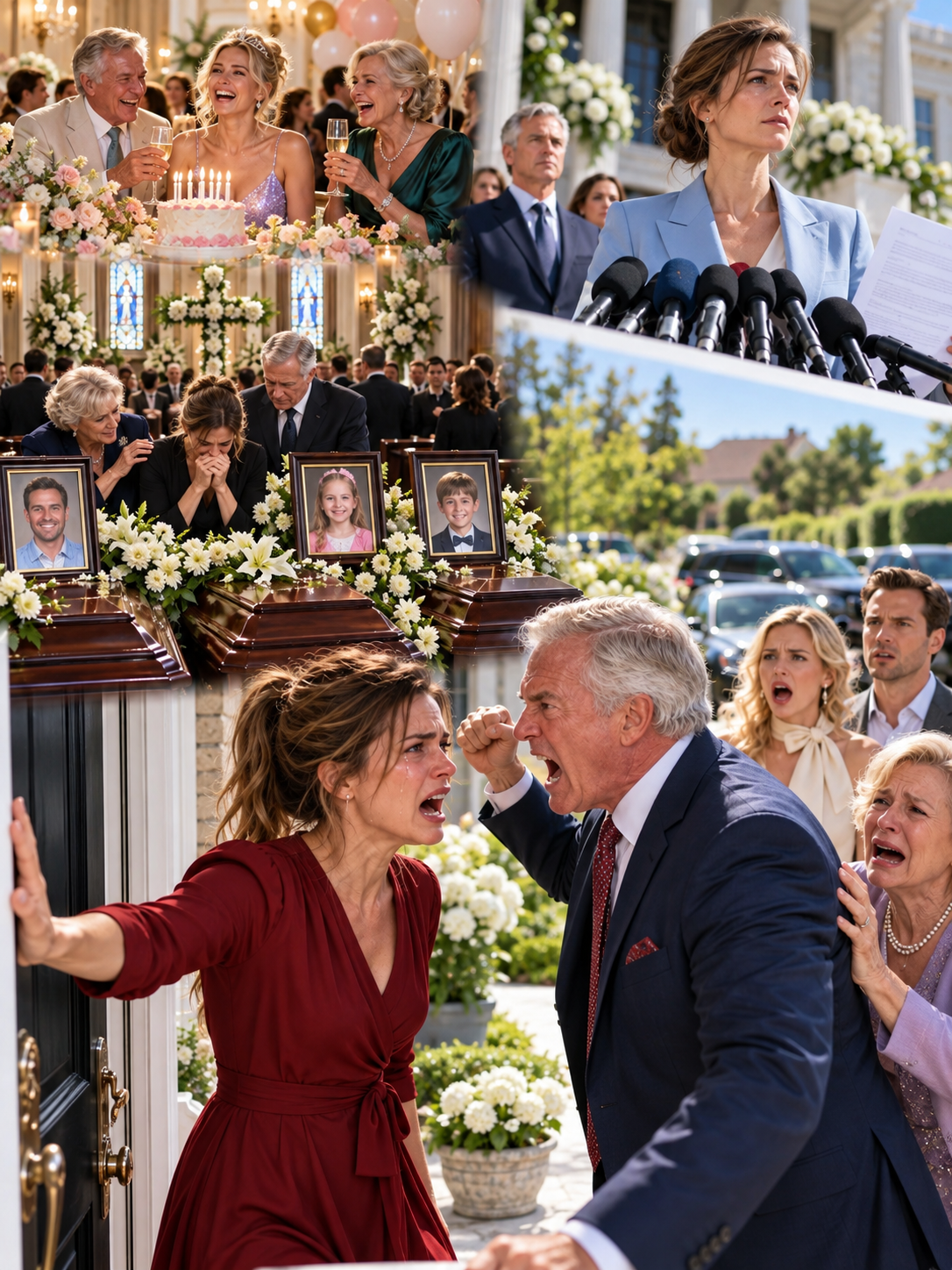
My parents did not come to the funeral of my husband and my two children because it was my sister's birthday. My father said it calmly, the way you decline a dinner invitation: "Today is your sister's birthday, and we simply cannot come." I will hear that sentence for the rest of my life, and I have stopped waiting for it to hurt less. What changed six months later was not their conscience. It was the audience.
The Worst Call of My Life
I called them from the hospital chapel with my hands still stained with black soot and ash from the accident scene. That morning, on the interstate, a truck driver fell asleep at the wheel and plowed into the car carrying my husband, Kenneth Bradley, and our two babies, Daisy, seven, and Jonah, four. I survived only because I was not inside the vehicle. That fact cut through me every second that followed.
I called my father first, with a trembling hand. "Dad," I whispered. "There has been an awful accident."
Behind him I could hear upbeat party music, cheerful laughter, glass plates clinking, and my sister Serena shouting about lighting the birthday candles. My parents were already at her celebration.
"What happened out there?" he asked, impatient, as though I had interrupted something important. I suppose I had.
"Kenneth is gone," I said, my throat tightening so badly I could barely force the words out. "Daisy and Jonah are gone too."
My mother took the receiver. "What do you mean by gone, Hannah?" I told them the funeral was Friday and that I needed them. My father took the phone back and asked, "Did you say Friday?" I said yes. Then he said it. "Today is your sister's birthday. We can't come."
Three Coffins, Empty Seats
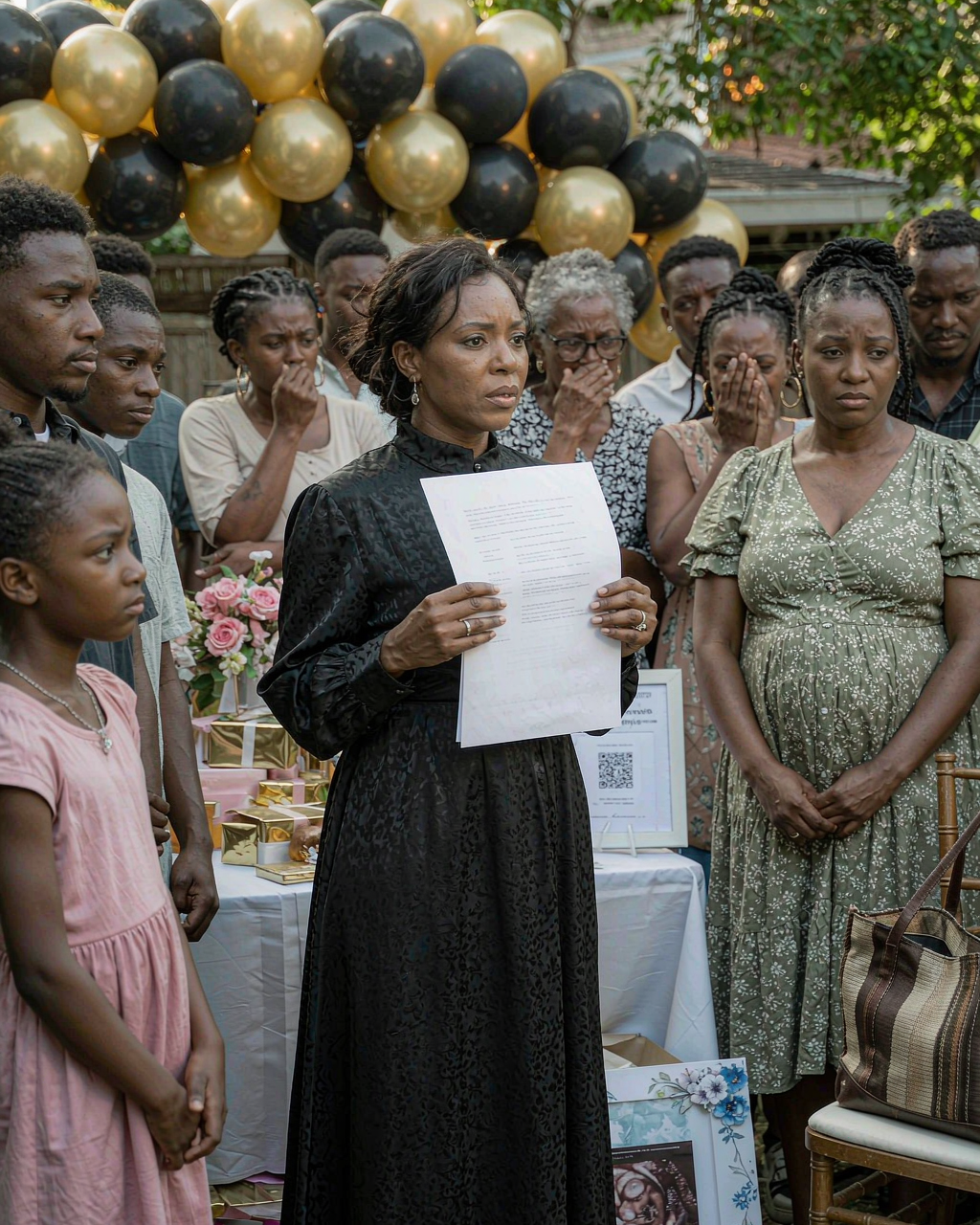
Friday came. Three white coffins stood in a chapel filled with Kenneth's colleagues, our neighbors, the families from Daisy's soccer team and Jonah's preschool. My parents did not come. Serena did not come. My aunt and uncle sent flowers and stayed home. I stood at the front alone and watched my whole world lowered into the ground, and I kept returning to the same arithmetic: a cake and candles on one side, two children and the man I loved on the other.
Afterward I stopped calling. They never called me either, except for my mother's single voicemail six weeks later, telling me it was time to "move on and stop making the family look bad." I deleted it. Something in me closed quietly and did not reopen.
What I Did With the Emptiness
Grief had to go somewhere, and mine went into Kenneth's unfinished work. He had been a highway safety engineer, and the intersection where they died had been flagged as dangerous for years. I had his files, his notes, his emails, the inspection reports he had begged the county to act on. I gathered all of it, filed the negligence claim myself, and went public.
A local reporter interviewed me in front of the crossed guardrail. Her article ran with a photograph of me holding Daisy's drawing of our family, and it was picked up nationally.
The headline was simple: Widow Sues County Over Deadly Intersection Her Husband Warned About for Years. Within a week it had been read millions of times. The county's maintenance records were subpoenaed. Two officials resigned. My name and my family's story were everywhere, and my parents discovered that the daughter they had written off was on national television, composed and unshakeable, telling strangers exactly what kind of people had chosen a birthday cake over their grandchildren's funeral.
Asked on camera about family support, I said the truth. "I had none."
The Panic
My phone rang the night the interview aired. Serena first, then my mother, then my father, then an aunt I had not heard from in years. Serena's voice was thin. "Hannah, you have to take that part down. People are saying terrible things about us." I told her that people were reading what was true.
My father tried a different approach, asking me to "put the family first for once." I laughed. It was the first time I had laughed since the funeral, and it felt good.
I did not scream at any of them. I asked my father one question: "If the situation were reversed, would I have missed yours?" The silence that followed lasted the rest of the call.
What the Money Built
The county settled for a substantial sum, and every dollar went where Kenneth would have wanted it. The intersection was rebuilt with signals and barriers. A scholarship was funded in Daisy's name at her elementary school, and a library corner in Jonah's memory opened at the public branch they both loved. The safety review was named the Bradley Corridor Initiative, because I insisted Kenneth's name be on it. His warnings finally became policy, which is the only revenge I actually care about.
My parents sent a card at Christmas, unsigned by my father, asking to meet. I mailed it back. People told me I would regret the distance, that family is family. I have learned that family is not the people who share your blood. It is the people who show up when your world is on fire. Kenneth's colleagues showed up. My neighbors showed up. Strangers who read my story showed up, and some of them still do.
They chose a birthday party over burying their grandchildren, and then they chose their reputation over their remorse. I chose my children's memory and my husband's unfinished work. Six months later, one of us had something to panic about, and it was not me.