This is an original work of fiction. Characters, providers, and events are invented.
A moving truck arrived at my house at eight on a Monday morning carrying my parents’ bedroom set.
I had not invited them to move in.
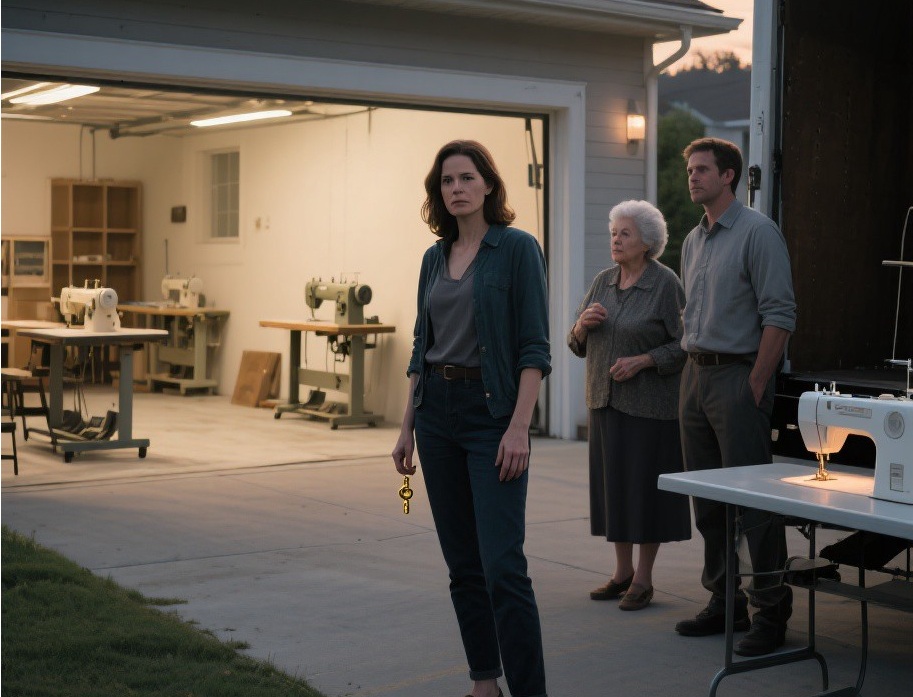
The driver handed me an order showing my address as their permanent residence. Behind the truck, my parents sat in their sedan with two suitcases and a potted lemon tree between them.
My mother rolled down her window.
"Surprise," she said. "We closed early."
Part 1
My husband Marcus and I bought our one-story home after his multiple sclerosis began affecting balance and leg strength. We spent three years adding wider doors, a roll-in shower, lower kitchen counters, and a ramp disguised by the front landscaping.
The second bedroom was not an unused guest wing. It held Marcus’s exercise equipment, a desk for my remote insurance work, and the foldout bed his sister used during medical appointments.
My parents had visited enough to know that.
Six months earlier, Dad mentioned selling their condo. The stairs were becoming difficult, and the association fee had risen. I sent them information about three senior apartment communities and offered to attend tours.
Mom rejected each one. Too small. Too far from church. Too many "old people."
At Thanksgiving, she joked that our house already had everything they needed. I answered clearly: Marcus and I could help them plan, but they could not live with us.
Everyone laughed, and I thought the boundary had landed.
Instead, my parents accepted an offer on their condo, selected a closing date, and told relatives I had invited them into our "accessible suite." On forms for a home-care assessment, Mom listed me as the unpaid caregiver available evenings and weekends.
I am not a nurse. I manage medical insurance claims from a locked computer in that bedroom.
Dad climbed out of the car and told the movers to use the ramp.
I stood in front of it.
"Nothing comes off the truck," I said.
Mom began crying before I finished the sentence. She said they had nowhere else to go because the condo belonged to its new owner at noon.
That urgency was the plan. They believed a completed sale and a waiting truck would convert my no into a temporary yes, then temporary into permanent.
Part 2
I asked the driver for fifteen minutes and called the moving company. Their contract allowed storage at the customer’s expense if delivery was refused. My parents could place everything in a warehouse for thirty days and extend monthly.
Dad said storage would waste money.
"So would unloading furniture into a house where it cannot stay."
Marcus came to the doorway using his cane. My mother appealed directly to him. She said family should care for family and reminded him that she brought casseroles after his last relapse.
Marcus thanked her for the meals and said the house was arranged so he could remain independent. Turning his therapy room into their bedroom would remove the purpose of the renovations.
Dad accused him of making me choose a disabled husband over aging parents.
I made the choice myself.
The truck went to storage. My parents drove to a hotel and sent relatives messages saying I left them homeless.
I responded once in the family group: I had declined the move at Thanksgiving, provided housing options, and was available to help with applications. I attached no medical details about Marcus and debated no one.
The next day, I met my parents in the hotel lobby with a housing counselor from the county aging office. Their condo sale left them enough to rent comfortably, but they wanted to preserve every dollar as an inheritance while receiving free housing and care from me.
They also assumed our accessible home would eventually become theirs if Marcus needed assisted living.
"Marcus lives here," I said. "His illness is not an opening in the floor plan."
The counselor helped them identify a ground-floor apartment twelve minutes from church. It cost $1,650 a month, including water and shuttle service. My parents could afford it from pensions and savings.
They refused because the lease required a one-year commitment. They expected me to weaken within weeks.
Part 3
My parents stayed in the hotel for nine nights. They paid nearly as much as the apartment deposit while waiting for me to surrender.
I did not.
Dad finally signed the lease after the moving company’s free storage period approached its end. I helped measure their furniture but did not pay the deposit or move boxes into my house "temporarily."
The home-care agency removed me from the availability form after I confirmed I had never agreed. My parents qualified for four hours of paid help each week after an assessment. They initially rejected it because the aide was a stranger. Within a month, Mom liked her.
For several months, my parents visited only when relatives could witness how cold I was. I stopped defending the decision. Their apartment was safe, affordable, and theirs. Disappointment did not make them abandoned.
Then Marcus had another relapse.
My mother offered to come "take over." I gave her two specific choices: bring dinner on Thursday or drive me to pick up medication. She chose dinner. Limiting help to an actual task let her care without claiming authority.
Our relationship improved slowly after that. Dad apologized first. He admitted he sold the condo before securing housing because he was afraid of facing age as a financial reality. Moving into my home let him call dependence a family tradition.
Mom has not fully apologized. She still refers to the second bedroom as the room they could have used. Marcus calls it the room that keeps him strong.
The lemon tree now sits by their apartment window. The guest room still contains resistance bands, my desk, and a foldout bed available by invitation.
A ramp is not an open door. Accessibility means the person who lives there has more control over his life—not that everyone else gains a claim to the space.