This is an original work of fiction. Names, characters, businesses, and events are invented.
My uncle put a prepared resignation beside my coffee and told me the family had already voted. He expected me to leave the furniture company I had rebuilt so they could sell it before my father recovered from a stroke. He had counted the family shares and ignored the forty-three employees who owned the rest.
Part 1
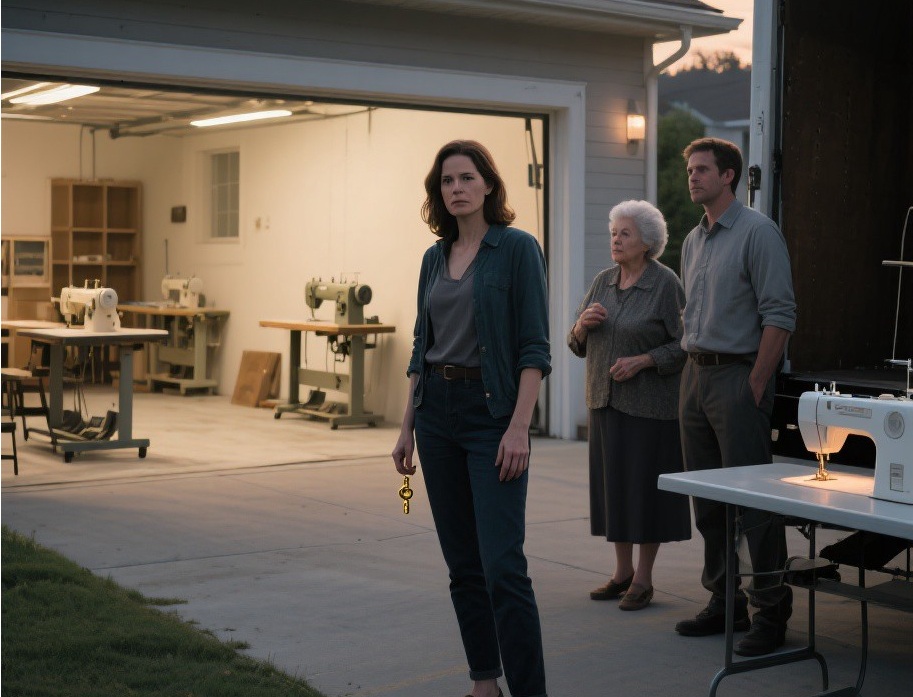
Mercer Millworks began with my grandfather and six carpenters in Dayton. By the time I joined, we made custom cabinets for schools and clinics, but our systems still ran on carbon-copy forms. I spent nine years modernizing production, winning regional contracts, and learning every employee’s name because no spreadsheet could tell me who could repair a failing edgebander at midnight.
My father, Warren, remained chief executive while I served as president. He valued tradition and disliked confrontation, yet he trusted my operating decisions. My uncle Dean owned the same number of family shares as Dad but contributed mainly opinions. My mother and two cousins held smaller stakes inherited through carefully planned gifts.
Three years earlier, turnover threatened our largest contract. I proposed an employee ownership trust that acquired twenty-eight percent of the voting stock over time. The family approved because the presentation showed tax advantages and retention gains. I wrote governance protections with outside advisers, including a requirement that a plant closure or controlling sale receive approval from the employee trustee.
Nobody objected then. Dean called it my “morale project” and left the meeting before the voting provisions were reviewed. The plan worked. Skilled employees stayed, productivity improved, and we completed the hospital contract ahead of schedule. At the company picnic, Dean accepted praise for supporting employee ownership.
After Dad’s stroke, Dean found a buyer, NorthLine Home Group. The offer valued our land and customer list generously, but NorthLine’s transition schedule eliminated local production within six months. Dean saw retirement money. I saw forty-three households and a buyer who wanted our reputation without our people.
Part 2
I requested sixty days to compare alternatives. Dean gave me ten, then called an emergency meeting while Dad was in rehabilitation. When I entered the old boardroom, the NorthLine representative was already seated. A press release and my resignation waited beside my coffee. Mom looked frightened; my cousins looked relieved.
Dean announced four family votes to remove me as president. I asked our accountant, Neil, which bylaws he had used. He held up a binder dated five years earlier. I opened the current digital version and displayed the employee ownership amendment. Removal of the plan administrator during a pending sale required notice to the employee trustee and an independent vote.
The room changed immediately. NorthLine’s representative asked whether the trustee had waived approval. Dean said employees did not need to be involved in a family decision. Neil corrected him: after the stock transfer, it was no longer solely a family decision. The buyer closed his folder and asked for a recess.
I had not come only to block them. For two weeks I had worked with our plant manager and a regional lender on an alternative. We could refinance the building, redeem part of the family’s shares, and expand our medical cabinetry line. The price to relatives was lower than NorthLine’s offer, but it protected jobs and gave them liquidity over five years.
Dean accused me of choosing employees over blood. I answered that the employees were owners because all of us had voted to make them owners. Family loyalty did not permit us to celebrate their investment when useful and erase it when expensive. Mom finally looked up and asked to see both proposals side by side.
Part 3
The employee trustee delayed the sale vote and hired an independent valuation. NorthLine returned with better severance terms but still planned to close the plant. Employees rejected that proposal. The family then considered our refinance plan, which the valuation confirmed was viable if we secured two pending contracts.
I spent six difficult weeks winning those contracts. I visited procurement teams, revised production schedules, and froze my own bonus. The employees voted to increase their ownership gradually in exchange for wage protections and board representation. Mom supported the plan after speaking directly with workers whose parents had started beside Grandpa.
Dean did not become kinder. He sold part of his stake through the redemption program and resigned from the board. That outcome cost the company less than years of family warfare. My cousins retained smaller investments and received scheduled payments. Dad recovered enough to attend the final signing with a cane and a speech therapist beside him.
He apologized for leaving the governance burden to me before his stroke. I told him illness was not abandonment. What mattered was the system we built before any crisis: no single relative, including me, could trade other people’s livelihoods for a quick exit without review.
The board elected me chief executive the following spring. The first meeting included two employee directors who asked harder questions than my family ever had. I welcomed them. Authority that cannot survive questions is only control wearing a title.
We also changed the succession calendar. Quarterly reports now go to every voting group, proposed buyers must disclose closure plans before negotiations advance, and emergency meetings require the current governing documents in the room. New directors receive the same training regardless of surname or job title. Meeting minutes now record which documents each voter received and when. Those rules are ordinary, deliberately so. A company should not need one well-informed daughter standing in a doorway to keep its promises.
Dean’s unsigned resignation letter for me remains in my desk. It stays there for perspective, not celebration. I keep it beside the current bylaws as a reminder that paperwork can be used to corner people or protect them. That morning my family arrived with a decision already written. We left with a process that counted everyone who had built the value they wanted to sell.