This is an original work of fiction. Characters, platforms, sponsors, and events are invented.
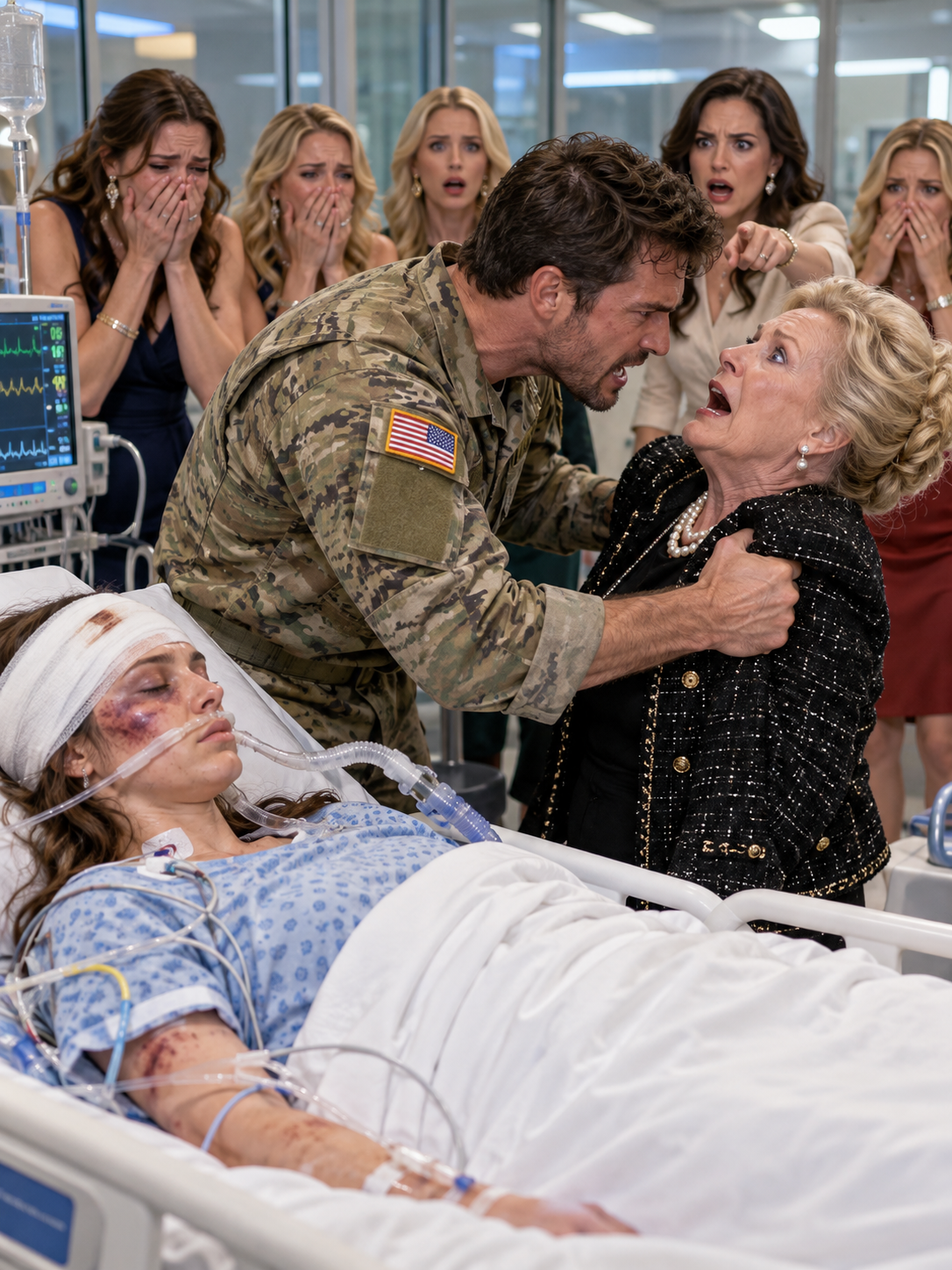
Between contractions, I noticed a phone hidden behind the hospital water pitcher.
The camera faced my bed.
A small red light blinked above seventy-three viewer icons.
My husband, Mark, had sold access to my labor.
Part 1
Mark and I had run a modest family channel for two years. It began with apartment-renovation videos and cheap meal plans. By the time I became pregnant, eighteen thousand people followed us.
I appeared in edited updates because the extra income helped pay off a credit card. I approved each video before it went online.
At twenty-eight weeks, I set one rule in writing: no filming labor, medical appointments, or our daughter’s first month.
Mark agreed on camera. He called privacy "the best gift we can give her." That clip became one of our most popular posts.
During my thirty-ninth week, channel income dropped. A meal-kit sponsor canceled after Mark missed two deadlines. He became obsessed with a paid-subscriber launch that would "stabilize us before the baby."
I thought he meant home-organization videos already recorded.
When my contractions began, Mark packed the tripod. I told him it stayed in the car. He showed me an empty bag and said he understood.
The phone behind the pitcher was a second device.
I reached for it, but the monitor cable limited my movement. My sister Lena saw my face and picked it up.
The screen showed a private stream titled BABY ARRIVES LIVE. Access cost nineteen dollars. A pinned message promised the first cry, the name reveal, and a discount code for a smart baby monitor.
Seventy-three paid viewers were typing encouragement while I labored without knowing they were there.
Mark grabbed for the phone. Lena stepped into the hallway and called the nurse.
He said viewers could see only my shoulders and that audio was muted during examinations. The comment feed included a nurse’s name and details from a cervical check.
The audio had not been muted.
I told the charge nurse I withdrew permission for Mark to remain in the room.
He stared at me as if I had removed him from his own birth.
"This pays for her future," he said.
"Then refund it."
Part 2
Hospital security escorted Mark to the family waiting area. Lena stayed as my support person after confirming the visitor change with staff.
The nurse covered the room number on the door display and helped us document the device without sharing medical records. Lena photographed the stream title, viewer count, payment page, and sponsor message before ending the broadcast.
I did not spend the rest of labor managing the internet. Lena reported the stream through the platform’s privacy channel and emailed the sponsor from my phone using the address on the offer page.
My daughter, Sophie, was born four hours later. Mark was not in the room.
That consequence hurt me too. I had imagined him holding my hand. I had not imagined needing to protect myself from the person beside the bed.
The next morning, Mark asked to visit. I allowed thirty minutes with a nurse aware of the conflict. He held Sophie and cried. Then he asked whether we could film a short explanation before rumors spread.
I ended the visit.
At home, Lena stayed for a week while Mark slept at his brother’s apartment. I changed passwords for the channel, cloud storage, and home cameras. The channel account was jointly owned, so I could not simply erase everything. I downloaded records and requested removal of videos containing medical details or footage I had not approved.
The platform suspended paid streaming during its review and refunded viewers. The sponsor canceled the contract because Mark had certified that every adult shown would consent.
Then I found the real amount.
The seventy-three subscriptions totaled $1,387 before fees, not enough to transform our finances. The sponsor promised another $2,500 if the birth footage remained online for thirty days.
Mark risked my privacy and his place at Sophie’s birth for less than one month of our household expenses.
He had also scheduled teaser posts for the previous week. Close photographs of my hospital bag and a countdown graphic were the clues I dismissed as ordinary pregnancy content.
Part 3
Mark wanted couples counseling. I agreed only after he posted a correction written with a mediator: the stream occurred without my knowledge, it had been removed, and no birth footage would be released. He could not blame confusion or call it a mutual experiment.
He also had to close the paid-subscriber program and place all channel income in a transparent business account while we decided its future.
In counseling, Mark admitted he had begun measuring family events by whether they could reverse declining engagement. Every private moment felt wasteful if it was not recorded.
He believed I would forgive him once the sponsor paid. His motive was not cruelty. It was entitlement strengthened by an audience.
We separated for six months.
During that time, Mark completed a digital-boundaries program recommended by our counselor, worked additional delivery shifts to replace the lost sponsor income, and followed a parenting plan that prohibited posting Sophie.
I ended the family channel. Existing renovation videos remained archived privately while shared revenue was settled. I returned to my accounting job after leave and arranged childcare without building it around online income.
Mark and I did not reconcile as spouses. His progress made him a safer co-parent, but it did not restore the kind of trust marriage required.
He sees Sophie three evenings and alternating weekends. He sends photographs to me and grandparents through a private album with downloads disabled. We ask before sharing even within the family.
On Sophie’s first birthday, there was no livestream. Twelve people came to a park. Mark placed his phone in a bag during the cake.
Lena took one picture of me holding Sophie after she smeared frosting across my shirt. She showed it to me before saving it.
That small question made me cry harder than the birthday deserved.
Consent is not a release form signed once for an entire relationship. It is the question that must still be asked when the camera is ready, the audience is waiting, and the money would be easier to keep.