This is an original work of fiction. Characters, clinics, and events are invented.
Hours after surgery, my husband placed a tablet beside my hospital bed and said it held routine discharge forms.
Page nine transferred controlling ownership of my physical-therapy clinic to him.
He had highlighted the signature box.
"It is just in case recovery takes longer," he said.
Part 1
I founded Harbor Motion twelve years before I married Evan. The clinic employed eleven therapists and served patients recovering from orthopedic injuries.
Evan was a physician assistant at an urgent-care center. He understood medical paperwork well enough to know patients sign forms when tired, frightened, and eager to go home.
My surgery removed a benign growth near my thyroid. The prognosis was good, but speaking hurt and anesthesia left me foggy.
Before the procedure, Evan and I discussed temporary help. My clinical director, Jasmine, would run patient care. Our accountant would handle payroll. Evan was listed only as my emergency contact.
He disliked that plan. He said spouses should not be treated like visitors to a business.
I reminded him that Harbor Motion existed before our marriage and its operating agreement named a professional succession process.
At the hospital, the tablet displayed real discharge instructions first: medication, wound care, follow-up appointment.
Then came an authorization giving Evan access to business banking.
The next page appointed him interim manager.
Page nine transferred fifty-one percent of my membership interest for ten dollars and "continued marital support."
I had not approved any of it.
Evan said a lawyer prepared the documents because lenders might panic if I could not work. No lender had contacted us. The clinic had four months of operating reserves.
I pressed the nurse call button and asked her to remove the tablet until I could review everything without medication.
Evan called that humiliating.
Bringing a hidden transfer to my hospital bed was the humiliation.
Part 2
I told staff Evan could receive medical updates but could not present financial documents or use my patient portal. My sister collected me at discharge.
From her guest room, I contacted Jasmine, the accountant, and the clinic’s existing attorney. I did not claim the unsigned transfer had already changed ownership. I warned them that Evan might attempt access and required verbal confirmation for any banking or management change.
The attorney found that Evan had emailed a prospective buyer two weeks earlier. He described Harbor Motion as a "family-controlled practice" seeking investment for a second location.
Evan’s plan was larger than temporary management. He wanted to use majority control to approve an expansion with two friends who operated fitness franchises.
I had rejected that expansion six months earlier because their model depended on high-volume memberships, not individualized therapy.
The surgery created a deadline he thought he could use.
When confronted, Evan said he wanted to protect the clinic from my caution. He believed marrying me entitled him to build on what I had created.
"You would still own forty-nine percent," he said, as if leaving me a minority share was generosity.
I changed personal and business passwords, revoked his emergency access where permitted, and moved recovery to a short-term apartment near my sister. I did not empty joint accounts. I documented balances and continued paying my share of household bills.
The prospective buyer withdrew after learning I had never authorized discussions. Harbor Motion sent no dramatic lawsuit. It sent a written notice that Evan had no authority to negotiate for the company.
Part 3
The clinic conducted an access audit. Evan had viewed scheduling and financial dashboards through a password saved on our home computer, but he had not opened patient treatment records. We removed saved credentials, required hardware authentication for owners, and documented the boundary so concern did not become an exaggerated accusation.
I also contacted the three employees Evan had mentioned in expansion emails. None had accepted new roles or compensation. I told them the second location was not approved and their current jobs were secure. Protecting staff from uncertainty mattered more than explaining my marriage.
I returned to administrative work gradually after four weeks and patient care after medical clearance. Jasmine remained responsible for daily operations under the plan we had chosen before surgery.
Evan asked for marriage counseling. I agreed to several sessions because I wanted clarity, not because an unsigned document was harmless.
He admitted he resented introducing himself as the spouse of a business owner while earning less. Expansion would have made him co-founder in the story he wanted to tell.
He did not need my clinic to survive. He needed it to correct a difference in status.
I ended the marriage.
During separation, Evan argued that unpaid advice he had given the clinic created an ownership interest. We listed each documented contribution and treated marital and business questions through the formal process. Casual conversations at dinner did not become founder equity after the relationship ended.
The divorce required valuation and separation of marital finances, but Harbor Motion remained governed by its ownership records and applicable agreements. I paid for independent advice and did not sign a settlement while medicated or rushed.
Evan kept his urgent-care job. I kept the clinic. We sold the home we purchased together and divided the net proceeds under our settlement.
I also updated my personal advance directive and business continuity file with separate contacts. Medical support, financial authority, and company ownership now appeared on different pages, each requiring its own confirmation.
Harbor Motion later opened a second location—three years later, after staff analysis, patient demand, and financing the clinic could support. Jasmine received an ownership stake earned through her work.
Our new emergency policy requires two designated managers, documented authority, and confirmation outside any hospital room. It protects the clinic without turning illness into an ownership opportunity.
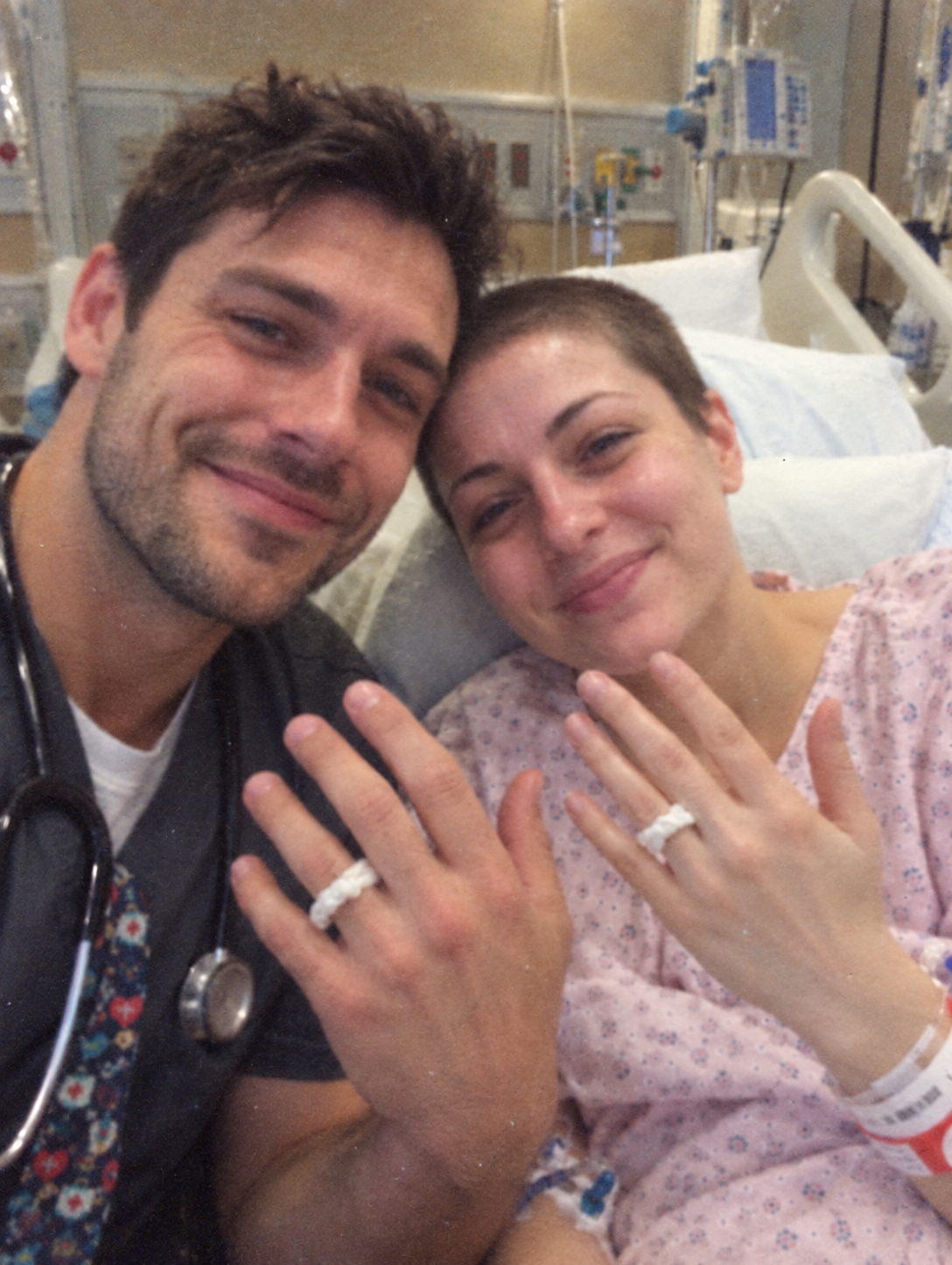
I still have a photograph from recovery. Evan and I are smiling beside the bed, wearing loops of gauze because my metal ring had been removed before surgery.
The picture once looked like devotion. Now it reminds me that symbols of marriage do not replace consent.