My thirty-fourth birthday began with my husband shoving me into the hallway of my own building before I had finished putting on my sneakers. "Transfer me eighteen thousand dollars and get out of the house by six o'clock!" Justin barked. "Don't even think about coming back before then, because I'm preparing a surprise for you that you'll never forget!"
I stood there holding one shoe, staring at the brass lock he had just slammed in my face. Six years of marriage, and I had never felt smaller than I did in that corridor in San Diego.
The Interrogation He Hated
"Eighteen thousand dollars? What do you need so much money for right now?" I had asked, clutching my jacket against my chest. That was all it took. "Oh, Brenda, don't start with your endless interrogation! Do you want a nice surprise or would you rather ruin everything with your silly questions?" he snapped, and the door shut before I could answer.
Here is the part that should have told me everything. The luxury apartment we lived in did not belong to Justin at all. It belonged to my parents, Walter and Irene, who had lent it to us while we saved for a home of our own. They were staying in La Jolla, watching over my aunt's estate during her travels abroad. My father spent thirty years as a maintenance technician at a manufacturing plant. My mother was a retired county hospital nurse who had spent her whole life caring for strangers. They were not wealthy people. They were generous ones.
A Party Built on My Money
I spent the afternoon at a coffee shop, refreshing my banking app. At 2:14 p.m., eighteen thousand dollars left my savings account. I had built that account over a decade of careful living, money I always called my freedom fund. By evening, I returned to find our living room transformed: caterers, a bar, an orchestra quartet, and a crowd of Justin's business contacts laughing with champagne flutes.
"Happy birthday, sweetheart!" he announced to the room, sweeping me into a hug for the audience. The guests applauded. I smiled the way wives learn to smile. Then, near midnight, came the crash that changed everything.
Relatives at the Door
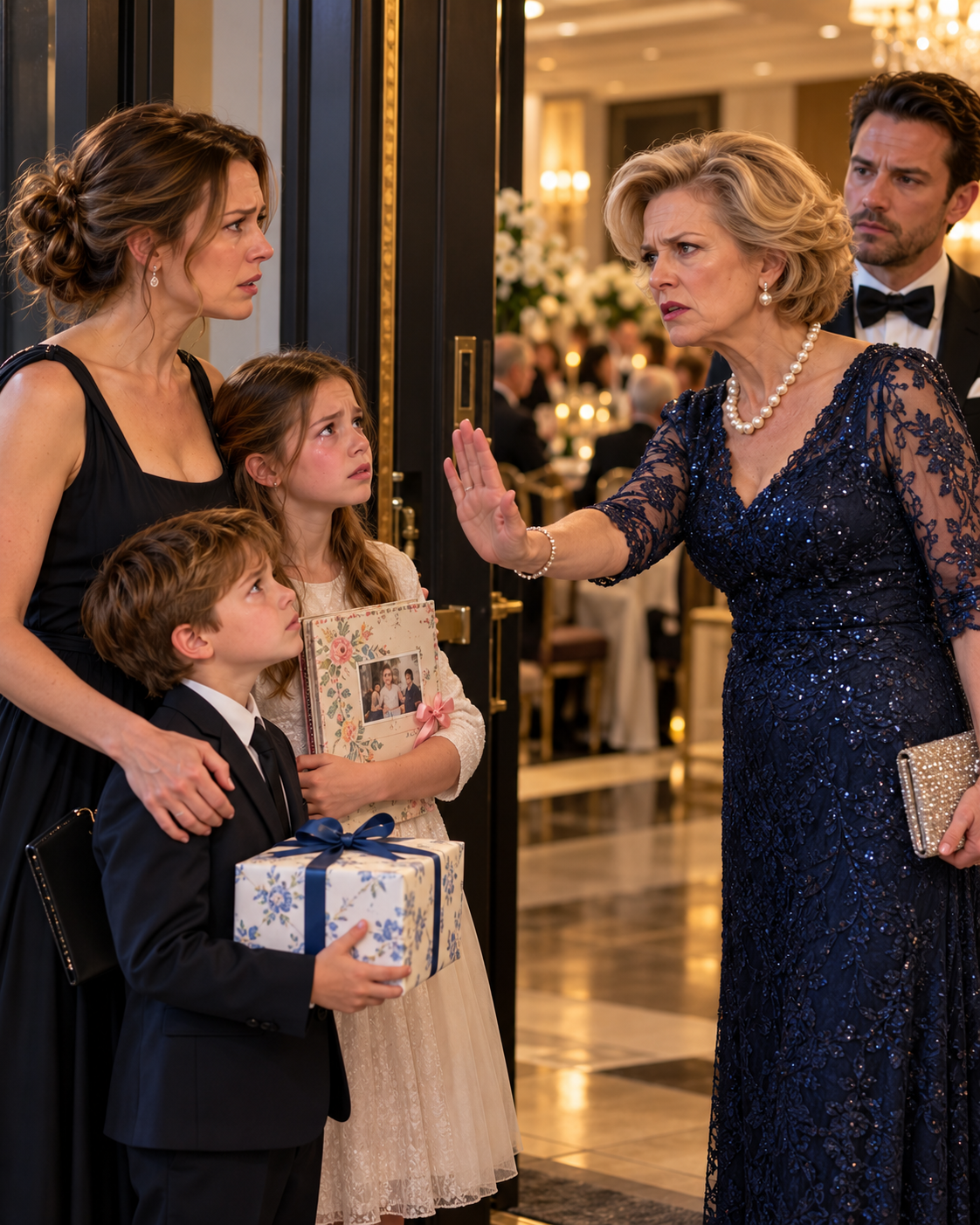
I heard raised voices at the entryway. Justin stood blocking the front door, and beyond his shoulder I glimpsed faces I half recognized, a heavyset man in a stretched polo, a woman clutching a gift bag, two teenagers hanging back. "We just came for Brenda," the man said. "We're her cousins. From her father's side."
"This is a private event," Justin said coldly, and shut the door on them. Some of the guests exchanged looks. I crossed the room slowly, my heart pounding.
"Which relatives did you refuse to let in?" I asked him quietly.
He laughed. "A bunch of broke nobodies, Brenda. Your dad's side of the family. What, were you going to sit around reminiscing about trailer parks at my party? The catering alone cost more than they make in a month."
The View From the Window
I didn't argue. Arguing with Justin had never once worked. Instead I walked to the tall window overlooking the street, and that is when I saw it: my parents' old sedan, parked across the road with its hazard lights blinking. My mother stood beside it in her good coat. My father stayed in the driver's seat, staring up at our lit windows.
They had come all the way from La Jolla with homemade food in the trunk, the way they always did, because my mother never trusted caterers to make a birthday feel like a birthday. And my husband had turned them away too. He just hadn't dared to say their names to my face.
Something inside me went very quiet and very clear. Every insult he had ever tossed at my family, every time he had mocked my father's calloused hands or my mother's hospital stories, had been leading to this. He had charged me eighteen thousand dollars for a party where the only people I loved were left standing on the curb.

Who Needed to Explain Themselves
I walked to the front door, opened it, and looked back at my husband in front of forty guests. "The party's over," I said. "Everyone, thank you for coming. My husband will be handling the exits."
Then I crossed the street and let my mother fold me into her arms while my father patted my back the way he had when I was small. They hadn't even known about the money yet. They never asked for anything. That was the difference, right there, between the people who loved me and the man who had merely married my savings account.
Justin followed me out, still performing, calling it a misunderstanding. My father looked at him and said only one thing: "Son, my daughter bought your party tonight. Where I come from, we say thank you."
The Morning After
By Monday I had called a lawyer. The eighteen thousand dollars had come from my premarital savings, fully documented, and my parents' apartment gave me standing I never wanted to use. Justin, it turned out, had been planning the "surprise" as a networking event for investors he hoped would fund his struggling venture. My birthday had simply been the theme he chose to extract the budget from me.
The divorce took seven months. On my next birthday there was no orchestra and no eighteen-thousand-dollar invoice. There was my mother's cooking, my father's off-key singing, and the cousins in stretched polos. It cost nothing. It was worth everything.
The lesson I keep: the people who show up at your door with homemade food, uninvited and unbudgeted, are the ones who were never supposed to be locked out. Everyone who makes you pay for love is selling you something else entirely.