This is an original work of fiction. Characters, businesses, and events are invented.
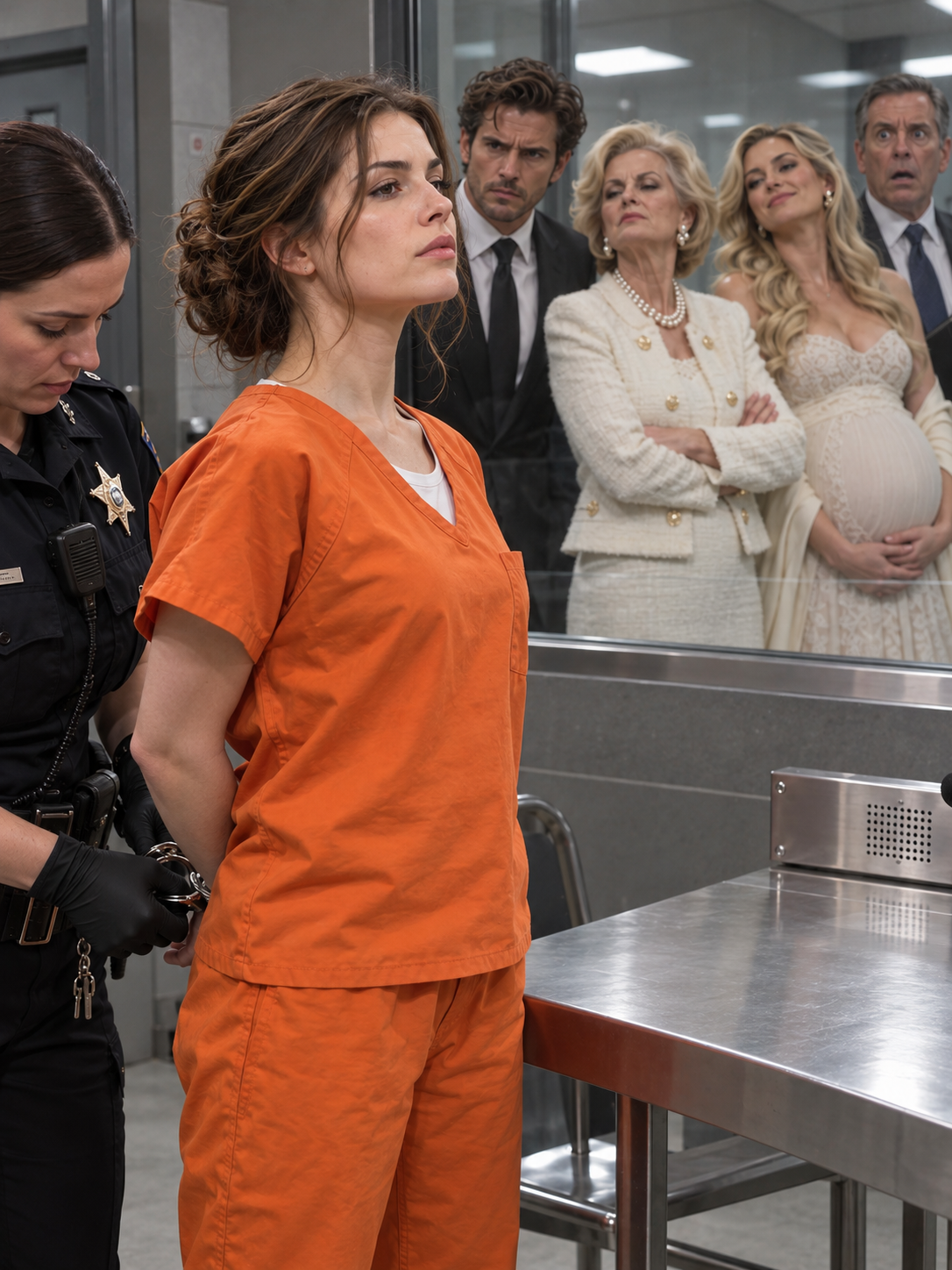
Four months before my release, my husband arrived at visitation beside my pregnant sister.
The baby was his.
My mother stood behind them holding papers that transferred my share of our family bakery to the two of them.
"You cannot expect life to wait," she said.
Part 1
I was serving eighteen months for causing a serious crash while driving drunk.
There was no false accusation and no secret evidence that made me innocent. I left a company holiday party after drinking, crossed a center line, and injured a teacher named Mr. Alvarez. He survived but needed surgeries and months away from work.
I pleaded guilty, completed treatment in custody, and owed restitution. Shame did not erase what I did, and neither did prison.
Before the crash, I owned forty percent of Bellweather Bakery. My aunt founded it and left equal shares to my sister Paige and me, with twenty percent held by our mother. I managed wholesale accounts. Paige ran the storefront.
My husband, Grant, worked in commercial insurance and had no ownership.
During my first months inside, Grant wrote weekly. Then letters became monthly. Paige said he was helping at the bakery because Mom’s arthritis worsened.
I thanked both of them.
At visitation, Paige was seven months pregnant. Grant placed a hand on her shoulder before either spoke.
They said their relationship began after sentencing. They planned to marry once our divorce was final.
The business papers valued my forty-percent share at $25,000 and transferred it in exchange for Paige assuming "reputational burden." The bakery’s annual revenue exceeded $700,000. Its building was owned outright.
My mother said customers might boycott if a convicted drunk driver returned as an owner. Grant said selling cheaply was a form of restitution to the family.
Mr. Alvarez was not receiving the bakery.
My sister and husband were.
Part 2
I did not sign.
I asked the visitation officer to end the meeting and mailed the documents to the attorney handling my existing business and divorce questions. I could not manage everything from custody, but I could refuse a deadline invented by people benefiting from it.
The bakery’s operating agreement required an independent valuation for involuntary or disputed transfers. My conviction did not automatically cancel ownership. Profit distributions had continued accumulating in a company account because the family did not know where to send them under facility rules.
I directed documented distributions first toward restitution and approved business taxes. I did not hide assets behind the company.
Paige sent a letter accusing me of choosing money over her child. I replied that the baby’s needs did not determine the price of my shares. If she wanted to buy them, we could follow the agreement.
Grant filed for divorce. I accepted service and declined a proposed settlement that waived business claims, support questions, and household property in exchange for a quick signature.
Our marriage was over. That did not make every number he presented correct.
An independent appraiser valued my interest at $184,000 after applying discounts permitted by the agreement. The amount was far below forty percent of the bakery’s headline value but far above $25,000.
The bakery could not pay it at once without harming employees. We negotiated a five-year installment buyout funded by business profits, with safeguards if payments stopped.
My mother called the valuation greedy. I asked whether she would sell her twenty percent for the same low rate offered to me.
She did not answer.
Part 3
The appraiser reviewed equipment, the building, debts, customer concentration, and the limits on selling a minority interest. Paige attended the valuation meeting with her own adviser. We disagreed about forecasts, but the final number came from records rather than my conviction or her pregnancy.
The installment agreement also required quarterly statements. That provision let me verify that late payments reflected cash flow rather than another attempt to reduce the price privately.
I entered a supervised reentry program after release and worked in a warehouse, not the bakery. Returning immediately would have made employees absorb our family conflict and forced customers into a moral referendum on every loaf of bread.
I attended recovery meetings, complied with driving restrictions, and paid restitution from wages and buyout installments. I also wrote Mr. Alvarez one apology through the approved restorative process. I did not ask him to forgive me or respond.
Grant and Paige married after our divorce. Their daughter was born healthy. I did not attend the wedding, and they did not invite me.
The agreement sent payments directly to an account used for taxes and restitution, so no relative could claim cash had disappeared after reaching me.
The first year of buyout payments arrived late twice. Each time, I used the written notice procedure rather than calling my mother. The payments resumed without a public fight.
Some relatives believed prison meant I should emerge grateful for whatever remained. Accountability is not the same as permanent surrender. I could accept punishment for the crash while refusing to be underpaid by people whose plans depended on my silence.
Three years later, I completed restitution. The buyout continued for two more years. I used part of each payment for taxes and saved the rest. There was no luxury comeback.
I now coordinate inventory at a manufacturing plant and use a breath-testing device as required before driving. I have been sober since the night of the crash.
My relationship with Paige is limited to messages about our mother. I have met my niece twice at larger family events. I will never explain her parents’ relationship to her as a weapon.
Bellweather Bakery still uses my aunt’s recipes. My name no longer appears on its ownership records, but it left at a price established by the agreement she wrote.
The family expected prison to turn every boundary I had into a privilege they could revoke. It did not.
I lost freedom because of what I did. I did not owe my husband and sister the right to profit from it.