This is an original work of fiction. Characters, venues, and events are invented.
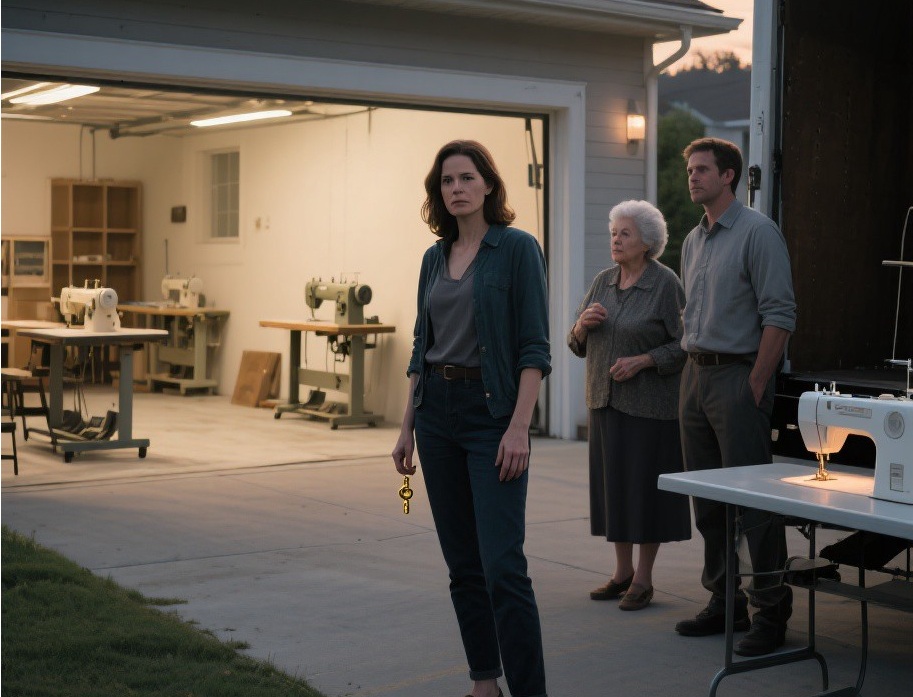
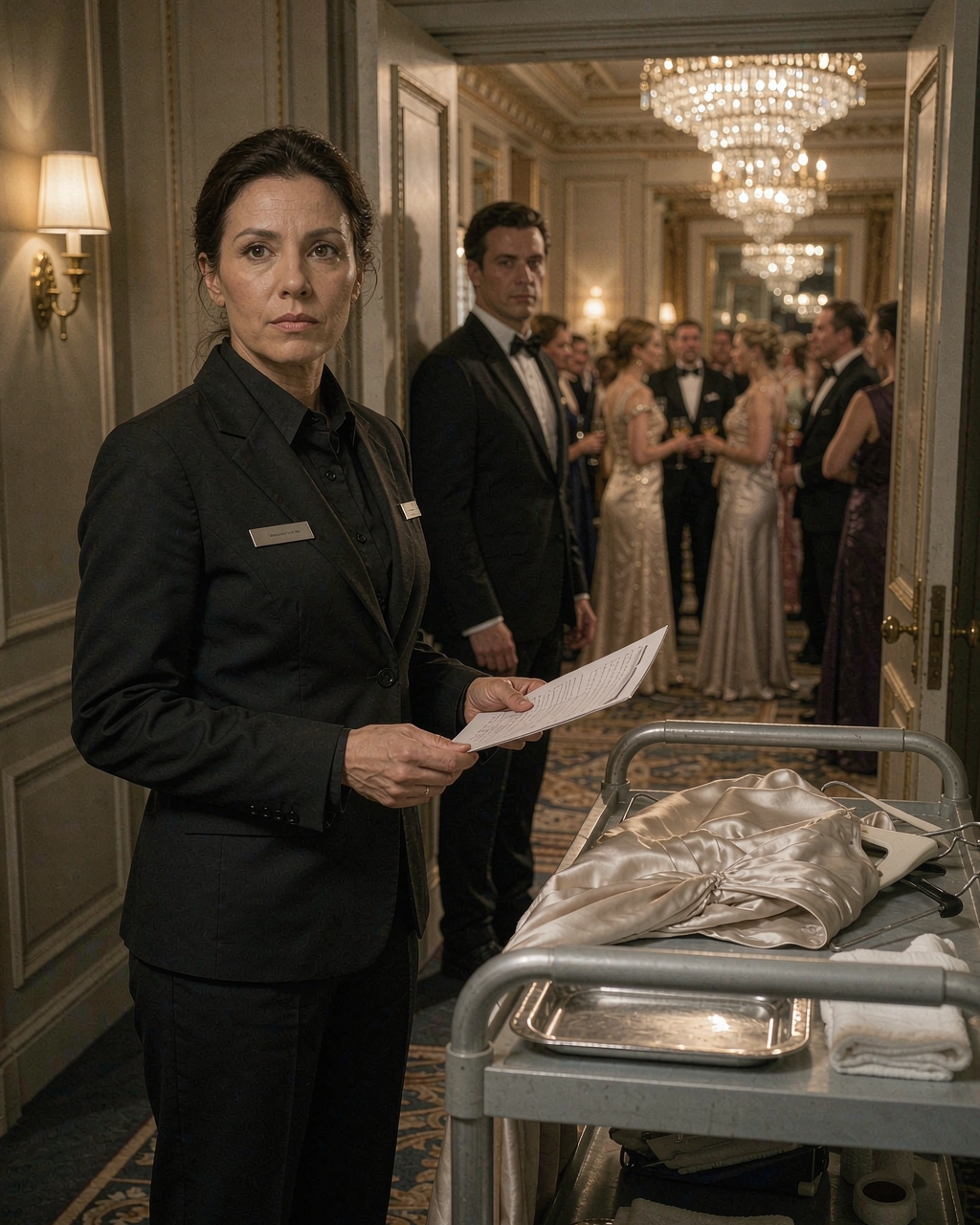
Two weeks before my wedding, the venue coordinator handed me a seating chart with no place for my ten-year-old daughter.
I checked the junior bridesmaids’ table twice.
"Where is Lily?" I asked.
My fiancé, Owen, answered before the coordinator could.
"She’ll be more comfortable at the hotel with a sitter."
On the schedule, someone had typed OFF-SITE CHILDCARE beside my daughter’s name.
Part 1
I met Owen three years after my divorce. From our first date, I told him Lily was not a complication attached to my life. She was my family.
He seemed to understand. He attended school concerts, learned how she liked grilled cheese cut, and asked her permission before proposing to me at our kitchen table.
Lily said yes before I did.
She chose a pale-blue junior bridesmaid dress and practiced walking slowly in our hallway. The ceremony program listed her immediately after my sister.
But as Owen’s parents became more involved, small details changed.
His mother, Diane, upgraded the reception to a private vineyard and added thirty business guests. She suggested Lily skip the rehearsal dinner because adults would be drinking. Owen delayed Lily’s final dress fitting twice. The caterer never sent me a child meal selection.
Each time, Owen had an explanation. The fitting shop was busy. The caterer would add pasta later. Diane was old-fashioned.
At the final venue meeting, explanations became a plan.
Owen had booked a sitter at the hotel from three in the afternoon until midnight. Lily would dress with me, take photographs, and leave before guests arrived. He called that a compromise.
"A compromise between whom?" I asked.
Diane and her husband were paying the reception balance. They wanted an adults-only event and believed our marriage deserved a "fresh start without old family tension."
Old family tension meant my child.
Owen said the ceremony was symbolic. What mattered was the home we would share afterward.
"Then why is every person from your family invited to the symbol?"
The coordinator quietly slid a printed change order toward me. Owen had signed it nine days earlier. It removed Lily’s meal, chair, and place in the processional. My signature line was blank.
I asked him whether Lily knew.
He planned to tell her on the wedding morning, after my sister took away her phone so she could not "spiral."
I ended the meeting.
Part 2
At home, I did not ask Owen to convince me it was a misunderstanding. I asked him to forward every wedding email from the previous month.
He refused, so I contacted vendors whose contracts included my name.
The photographer had been instructed to finish "mother-daughter portraits" before the guest shuttle arrived. The transportation company had one seat reserved from the venue back to the hotel at 4:15. The sitter’s form described Lily as "bride’s child from prior relationship."
Owen had planned the removal carefully while allowing me to buy shoes for a walk down the aisle that would never happen.
When Lily came home from her father’s house the next day, I told her the wedding would not happen as planned. I did not show her Diane’s messages or ask her to decide whether I should marry.
I said an adult had made a promise about our family and broken it. Fixing that was my responsibility.
Lily asked one question: "Did Owen not want me there?"
I answered honestly. "He wanted a wedding that excluded you, and he expected me to accept it after it was too late to change."
I canceled the marriage-license appointment first.
Then I called the venue. Because the cancellation was within fourteen days, we lost most of the site fee. The reception balance Diane had paid was governed by her contract, not mine. She could negotiate credits or hold another event.
I paid my share of the photography cancellation and kept the family portrait session. The florist redirected table flowers to a local nursing-home program and charged us for materials already ordered. I sold my unworn dress through a bridal consignment shop for less than half its cost.
Ending the wedding was expensive. Marrying someone who treated my daughter’s absence as a surprise detail would have cost more.
Owen stayed with a friend while we discussed the apartment. The lease was mine from before our engagement; he had contributed rent but had no ownership claim. We agreed on a move-out date and divided furniture we bought together.
Part 3
Owen asked for counseling, and I agreed to three sessions before making a final decision.
In the second session, he admitted the plan began when his father offered to invest in a restaurant Owen wanted to open. His parents said they needed proof he could put his "new household" first.
He believed excluding Lily for one day would protect a business opportunity that could eventually support all three of us.
The restaurant was the turn I had not seen. Owen had framed his parents’ wedding control as taste and tradition because admitting the financial condition would expose his choice.
He did not dislike Lily. He was willing to spend her trust to purchase his parents’ approval.
I ended the engagement.
Diane sent me an invoice for reception deposits. I replied once with copies of the contracts showing which party signed each expense and advised her to work with the vendors. She never filed a claim against me.
Owen opened a small restaurant eighteen months later with a bank loan and a different partner. I know because Lily saw the announcement online. She did not ask to visit.
Our family portrait session took place on what would have been the wedding weekend. Lily wore her blue dress. My sister wore jeans. We ate pizza afterward and let Lily cut the small bakery cake I had already paid for.
I did not call it a celebration of canceling a wedding. It was proof that a date could change meaning without becoming a disaster.
Lily no longer practices walking down our hallway. She uses the space for dance videos and leaves shoes everywhere.
I still want partnership. I am simply clearer about the role. Anyone joining my family must understand that fresh starts do not require deleting the people who were already loved.