This is an original work of fiction. Characters, employers, and events are invented.
Twenty minutes before the ceremony, our planner showed me the reception script.
My fiancé planned to announce that I had resigned, surrendered my apartment, and would follow his promotion overseas.
I had agreed to none of those things.
The champagne toast was titled ELENA’S NEW LIFE.
Part 1
I was a project architect in Chicago. Grant worked in finance. We had dated four years and maintained separate apartments while saving for a home after marriage.
Six weeks before the wedding, Grant received an offer to lead a Dubai office for two years. He told me he was still negotiating and would decline if we could not design a plan together.
I asked my firm about temporary international projects, remote work, and unpaid leave. No option was guaranteed. We agreed to revisit the decision after the honeymoon.
Grant’s mother, Celeste, considered discussion unnecessary. She said wives followed opportunities and careers could be rebuilt.
I told her my career was not luggage.
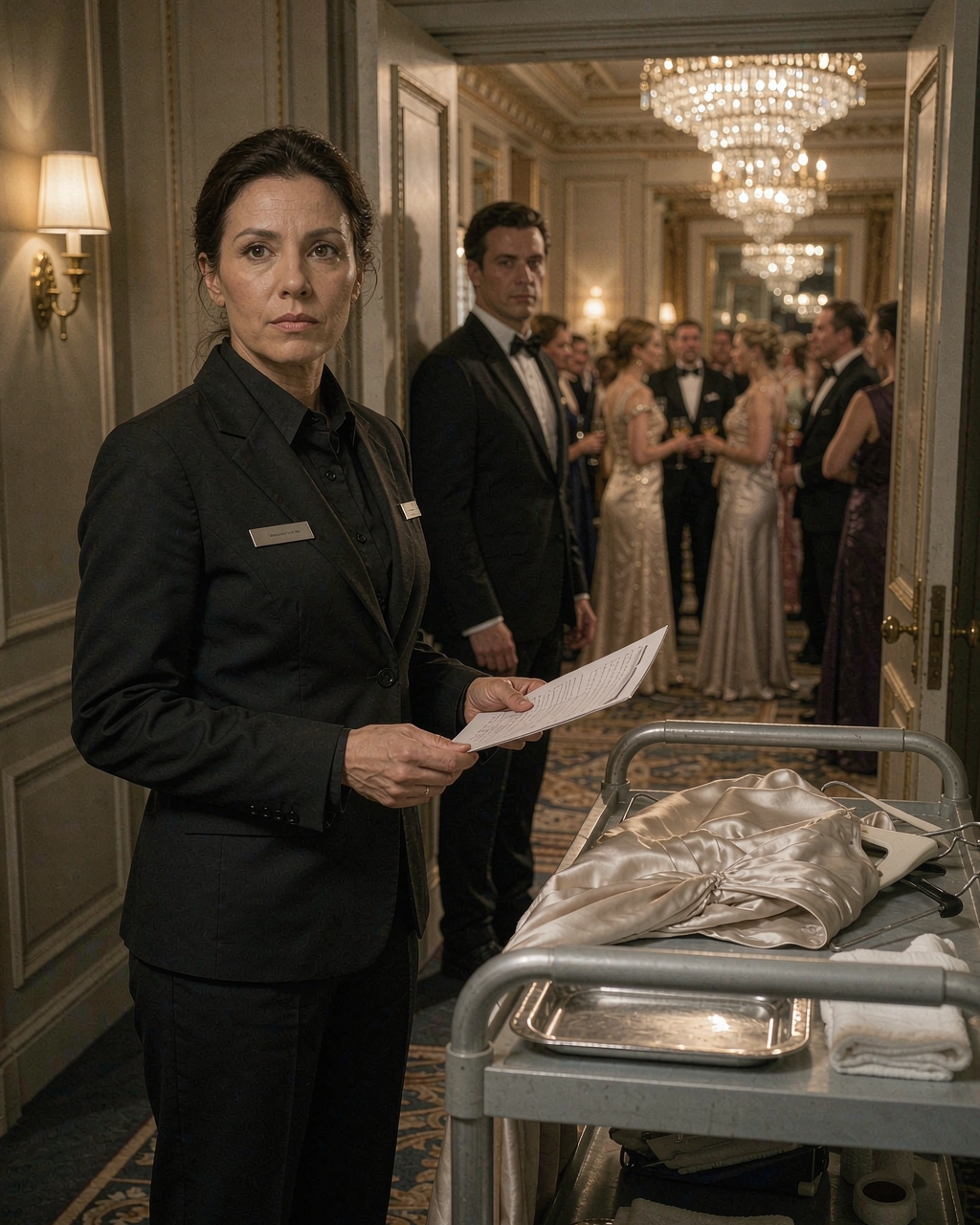
On the wedding day, the planner brought me a revised reception schedule because the emcee wanted pronunciation help.
Grant’s toast announced that I had resigned "to support our family adventure." A video followed, showing the furnished corporate apartment where we would live. His company expected us in Dubai three weeks later.
Then I saw an email printed in the folder. Someone using my shared home laptop had sent my landlord notice that I would not renew.
A draft resignation letter also waited in my work email. It had not been sent, but Grant had written it in my voice.
He believed the wedding would make refusal too embarrassing.
Celeste had invited two executives from his new office to witness the announcement.
I asked the planner to pause guest seating and bring Grant to a private room with my sister present.
Part 2
Grant did not deny the plan. He said he needed to accept the promotion by Monday and I kept creating uncertainty.
"Once we are married, we cannot live on separate continents," he said.
That was a reason to make a joint decision before marriage, not a reason to manufacture one during it.
I called my landlord. Because the notice period had not ended and no lease termination was signed, the office withdrew the message after confirming it had not come from me.
I changed my work password and informed my supervisor that a draft resignation did not reflect my decision.
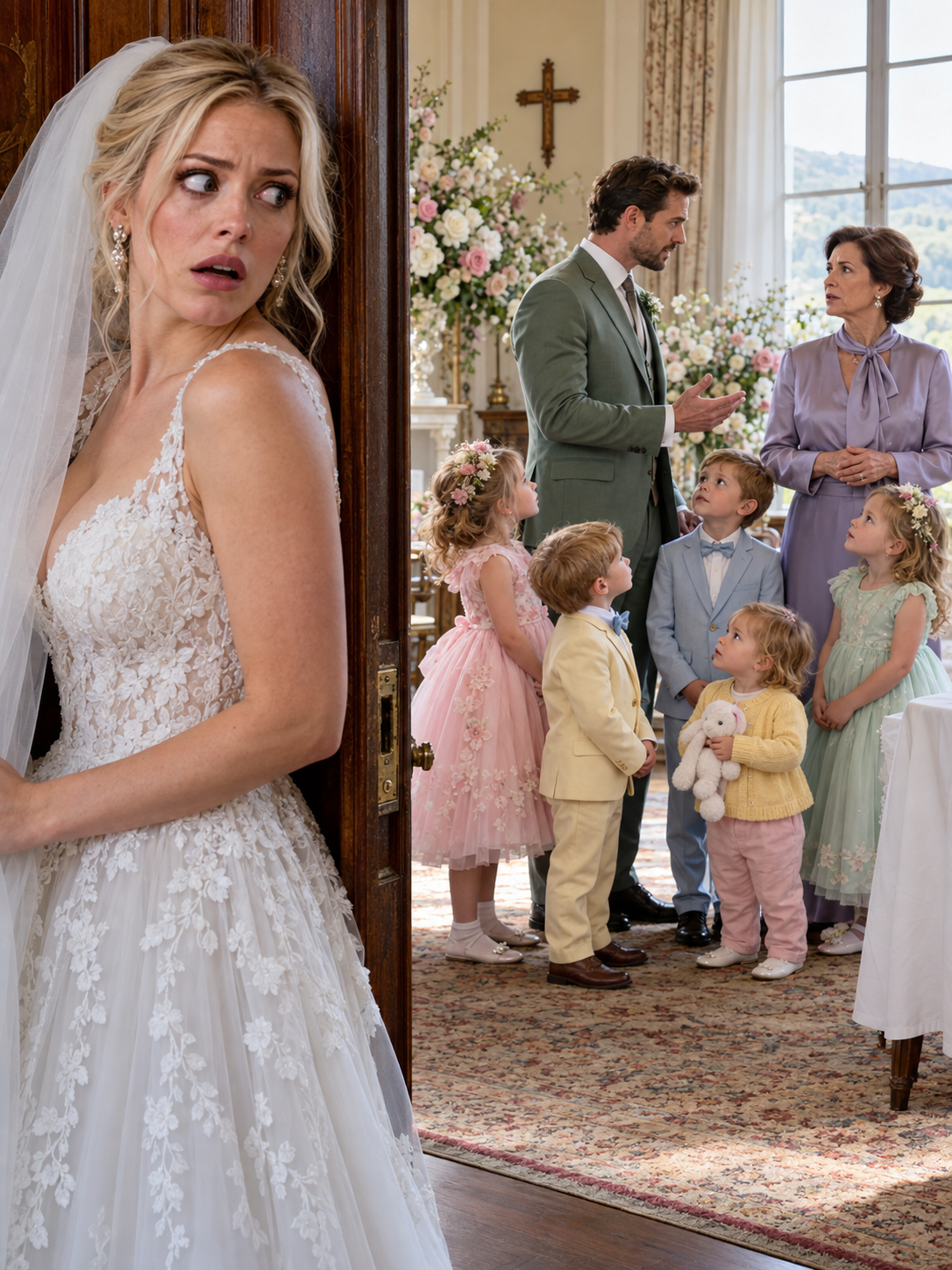
Then I postponed the ceremony.
I did not walk into a ballroom to debate my career in front of 110 guests. The venue served the meal because it was paid for. My sister and the planner announced that the marriage would not take place that day and guests could stay or leave.
Some relatives called it wasteful. The money was already spent. Marriage would not recover it.
Grant’s executives left before dinner. Celeste told guests I had suffered panic caused by work stress. I corrected that story once: I postponed because Grant planned a relocation and resignation announcement without my consent.
I spent the next morning calling vendors with my sister. Flowers went to two assisted-living centers after the venue kept what it needed for dinner tables. The photographer converted part of our payment into a family session I gave to my parents. These choices did not recover the budget, but they prevented waste from becoming a reason to marry.
Guests received one email stating the ceremony had been postponed and no new date existed. I did not provide a public trial of Grant. Truth did not require distributing every private message.
Afterward, Grant moved into a hotel. We divided wedding gifts and returned those we could. Vendor contracts determined refunds; there was no miracle recovery.
Part 3
At work, my supervisor confirmed nobody else could resign for me, but the forged draft still damaged trust because it used project names only Grant had seen at home. I changed account security and stopped discussing confidential work on shared devices.
My landlord documented the false notice and removed Grant from visitor authorization. I renewed in my own name before the deadline rather than assuming the correction would remain on file.
Grant asked for counseling. I agreed to four sessions before deciding whether postponement meant ending the engagement.
He said the Dubai role would triple his bonus and allow me to stop worrying about billable hours. He considered my architecture work important only until his income made it optional.
The draft resignation revealed more than impatience. It showed how he ranked our decisions.
I ended the engagement.
Our mutual friends stopped carrying explanations after I asked them to. Grant could describe his decision, and I could describe mine, without recruiting a social jury to declare a winner.
Grant accepted the promotion and moved overseas. His company did not collapse because he arrived without a wife. He later sent an apology acknowledging that he used the wedding audience as leverage.
For several weeks, I questioned whether keeping my career was only stubbornness after losing the wedding. Then I reviewed the projects, licenses, and years of supervised work required to become an architect. Grant had treated a profession as something his salary could replace; I did not have to repeat that mistake.
I renewed my apartment and remained with my firm. Eight months later, I joined a public-library renovation project that became the strongest work in my portfolio.
Celeste requested reimbursement for guests from her side. I provided final vendor accounting and paid only obligations tied to contracts I had signed. We did not negotiate emotional damages.
The wedding program remains in a box with the corrected script. The original ceremony vows promised partnership, patience, and respect.
The reception plan treated my life as a surprise Grant could reveal.
I used to think canceling before the aisle would mean I had failed to build a future. In architecture, stopping when the structure is wrong is not failure. It is the last responsible moment to change the plan.