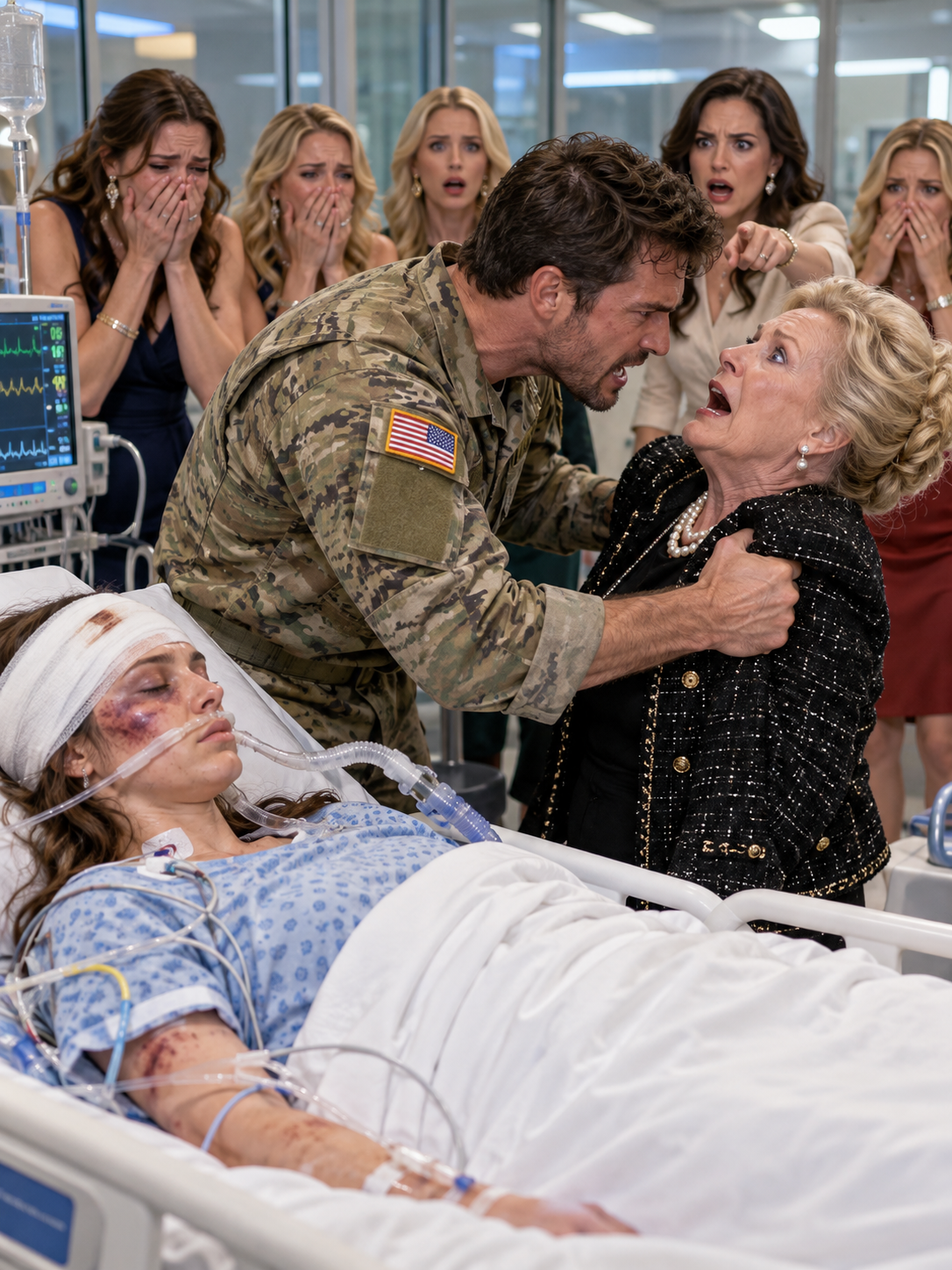
It was barely seven on a Thursday morning in Raleigh, North Carolina. My wife Hannah, thirty-two weeks pregnant, had just come downstairs in her wool robe, moving carefully. I was making breakfast when her father, Harrison Montgomery, walked into our kitchen uninvited, slammed a thick green ledger onto the counter, and opened it to page forty. He set an expensive gold pen beside it like a judge laying down a gavel.
"Mason needs this authorization today," he announced. "Your brothers have already agreed to the terms. You are the only person holding us back."
For weeks, Hannah had been asking her oldest brother Mason for clear copies of the family trust financial statements. Every request came back with the same answer: the numbers were complicated, the timing was wrong, just sign. She refused, politely and repeatedly, because she was the only one of the Montgomery heirs who ever read anything.
The Signature She Refused
"I want my attorney to review everything first," Hannah said calmly. "I am not signing something I haven't read."
Harrison's face hardened. He slammed his palm against the counter so hard that Hannah flinched. "You are jeopardizing the family's multimillion-dollar property business over foolish doubts," he raised his voice. Then he turned on her with a look I will never forget. "That baby won't have a future if you keep listening to your useless husband."
When she still refused, he grabbed her arm, and my eight-months-pregnant wife hit the kitchen floor.
What happened after that was a masterclass in Montecito-grade lying. Harrison told the paramedics she had suffered a fall - slipped, dizzy from the pregnancy, tragic. In the ICU where they monitored our daughter's heartbeat for two days, he and Hannah's eight brothers performed grief for the nurses and contempt for me. I stood outside her room in my plain work clothes and heard one of them sneer, "The government office clerk." They all laughed.
They had no idea what rank I hold in the United States Army. And they had no idea what happens to men like me when someone hurts my family and then falsifies the record to escape it.
What I Knew That They Did Not
Here is the part Harrison never bothered to learn about me: I am a senior officer with a financial-crimes background. Fraud examination is, quite literally, part of my professional training. While Hannah recovered, I asked her attorney for one thing - the trust documents the family had never willingly provided - and then I sat down with that green ledger Harrison had left on my counter in his rage.
It was a mistake he made with his own hands. Page by page, the ledger told a story the family had been hiding for years: property transfers to Mason below market value, phantom "consulting fees" to the brothers, a valuation of the trust assets that bore no relationship to reality. The authorization Harrison had shoved at my pregnant wife would have made her a co-signatory to filings she had never seen - and made her financially liable for a structure that was, I became increasingly certain, built on misrepresentation.
Building the Case From a Hospital Chair
I did not shout. I did not threaten. I documented. My military training teaches one thing above almost everything else: control the evidence, control the outcome. Over the following week, working with Hannah's attorney and, eventually, a forensic accountant, we assembled the picture - the ledger, the transfer records, the county filings, the sworn statements from a former property manager who had been pushed out for asking questions.
Then we waited, because the family did something better than any investigator could: they escalated. With Hannah still refusing to sign, Harrison filed a petition to have her declared incompetent to manage her inheritance. He submitted affidavits describing her as unstable and easily influenced - by, of all people, her "clerk" husband. He had just put his lies into a sworn court record, notarized and signed. Every one of them was provably false, and now they were crimes rather than insults.
The Hearing
Hannah, recovered and magnificent at eight and a half months pregnant, sat beside me as her attorney dismantled the petition. The competency filing required Harrison's affidavits. Her attorney entered the trust documents. Then I took the stand, introduced myself with my rank and credentials, and walked the judge through the ledger discrepancy by discrepancy - calmly, precisely, the way I would brief a court-martial board. I watched eight brothers stop smirking one by one.
The petition was dismissed before lunch. Hannah's attorney then stood and, on the judge's invitation, formally referred the financial findings to the district attorney and state regulators. Mason's below-market purchases became the centerpiece of a widening inquiry.

What Our Daughter Will Know
Our daughter was born healthy three weeks later, in a hospital room guarded by nothing but my hand on Hannah's and a nurse who had seen through the Montgomery family theater from day one. We named her Vera. Truth, in Latin. My wife picked it.
Hannah's share of the trust was eventually untangled and secured through the settlement, and the family business now operates under a monitorship while regulators finish their work. Harrison lost more than money; he lost the myth of the untouchable Montgomery empire. The men who called me a government office clerk while my wife fought for our daughter's heartbeat now understand that I have spent my career reading documents exactly like their ledger - and that I read them better than they wrote them.

People ask me if I wanted revenge. The truth is quieter than that. I wanted the record corrected - the fall that was a shove, the signature that was a trap, the clerk who was a soldier. We got all of it, on the record, where it counts. That is the only kind of victory I have ever been trained to want.