I faked a terminal illness to find out whether Tessa loved me or my money. She sold her car, emptied the savings she had built for her final year of tuition, and worked herself sick to pay for treatment that did not exist. The test worked exactly as designed, and the only thing it proved was how much I had underestimated her.
Two Different Ways to Hold a Dollar
I grew up never worrying about money. My parents were wealthy, I ran a successful business, and if something broke I replaced it without checking the price.
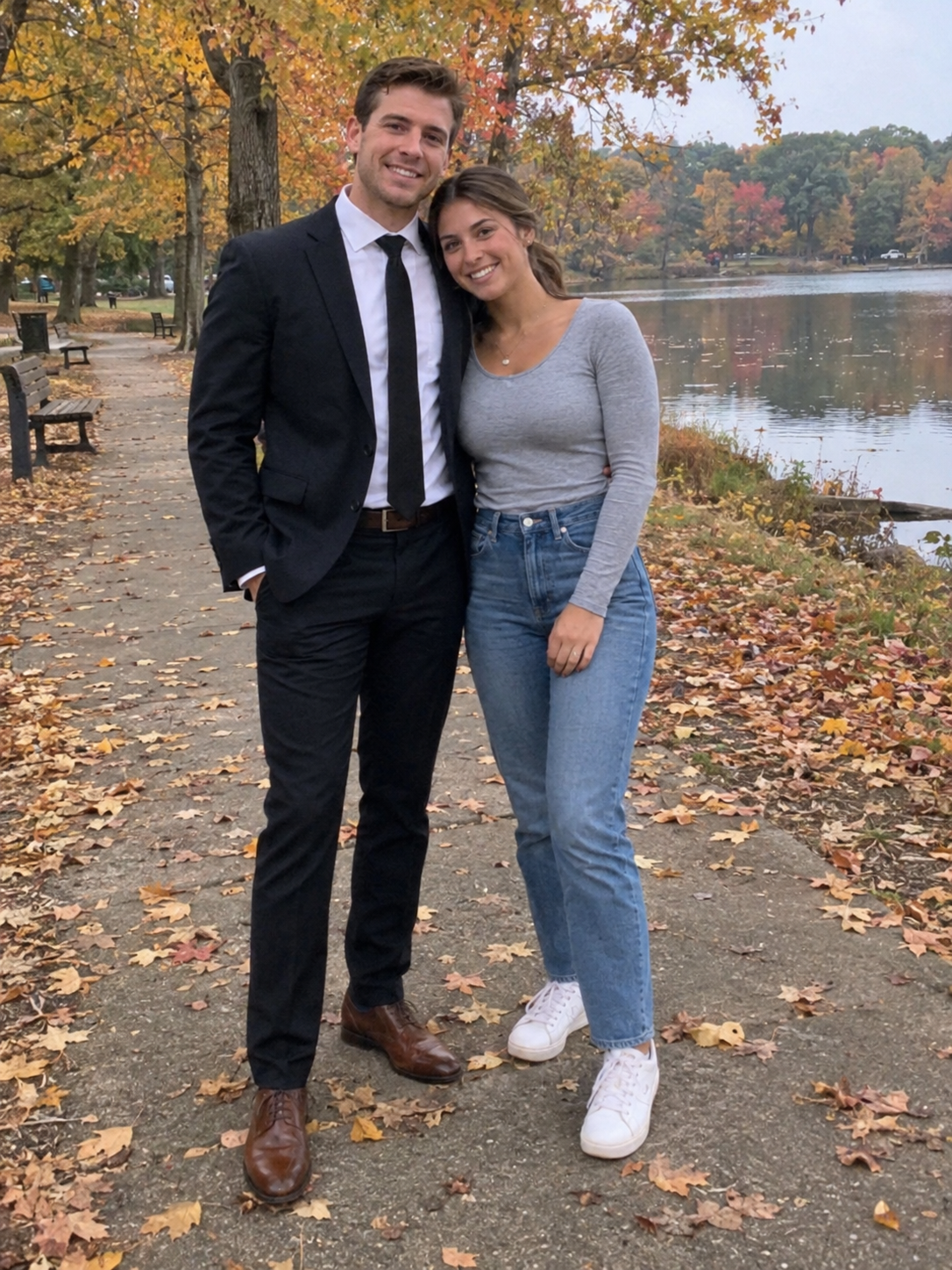
Tessa was still in college and paid for everything herself. She worked evenings and weekends, drove an old car that constantly needed repairs, bought used textbooks, and planned every paycheck down to the last dollar for tuition, rent, and groceries. There were weeks she lived on instant noodles just to stay ahead of her school fees.
In almost two years together, she never once asked me for money. When I offered to help with tuition, she refused. "I need to know I can do this myself," she told me, and I should have respected that enough to leave it alone.
Instead I let other people get into my head.
The Test I Should Never Have Set
It started with my business partner, who joked at a dinner that a man with my bank account could never know whether he was loved or managed. My cousin added fuel, reminding me of a friend whose fiancee vanished the moment his company collapsed.
I drank more than I should have that night, and by morning the idea had taken root. I would tell Tessa I was seriously ill, that treatment would drain everything I had, and then I would watch what she did.
Notice what that plan assumes. It assumes she is either a gold digger or a saint, and that a single week of pressure can sort her into one category or the other. It never occurred to me that the person being sorted was me.
The Lie
I told her on a rainy Tuesday. I said the doctors had found something aggressive, that my savings were not what she imagined, and that I might lose the apartment.
I watched her face go white. I watched her hands shake around her coffee cup. And then I watched her cry, quietly, for a long time, with her forehead pressed against my chest.
What she said next was not what I expected.
"I'm Leaving for Five Days"
"I'm leaving for five days. Don't call me," she said, standing up and wiping her eyes with the sleeve of her jacket.
She would not explain where she was going. She would not answer texts. She packed a small bag, kissed my cheek at the door, and whispered, "Trust me."
Those five days were the longest of my life. I sat in my beautiful apartment feeling like the worst human being alive, staring at a phone that never rang. My cousin's voice kept playing in my head. I kept telling myself her silence was the answer I had been afraid of.
Here is the part I understand only now: I had built a trap and then stood inside it, waiting to see which of us it would catch.
What She Actually Did
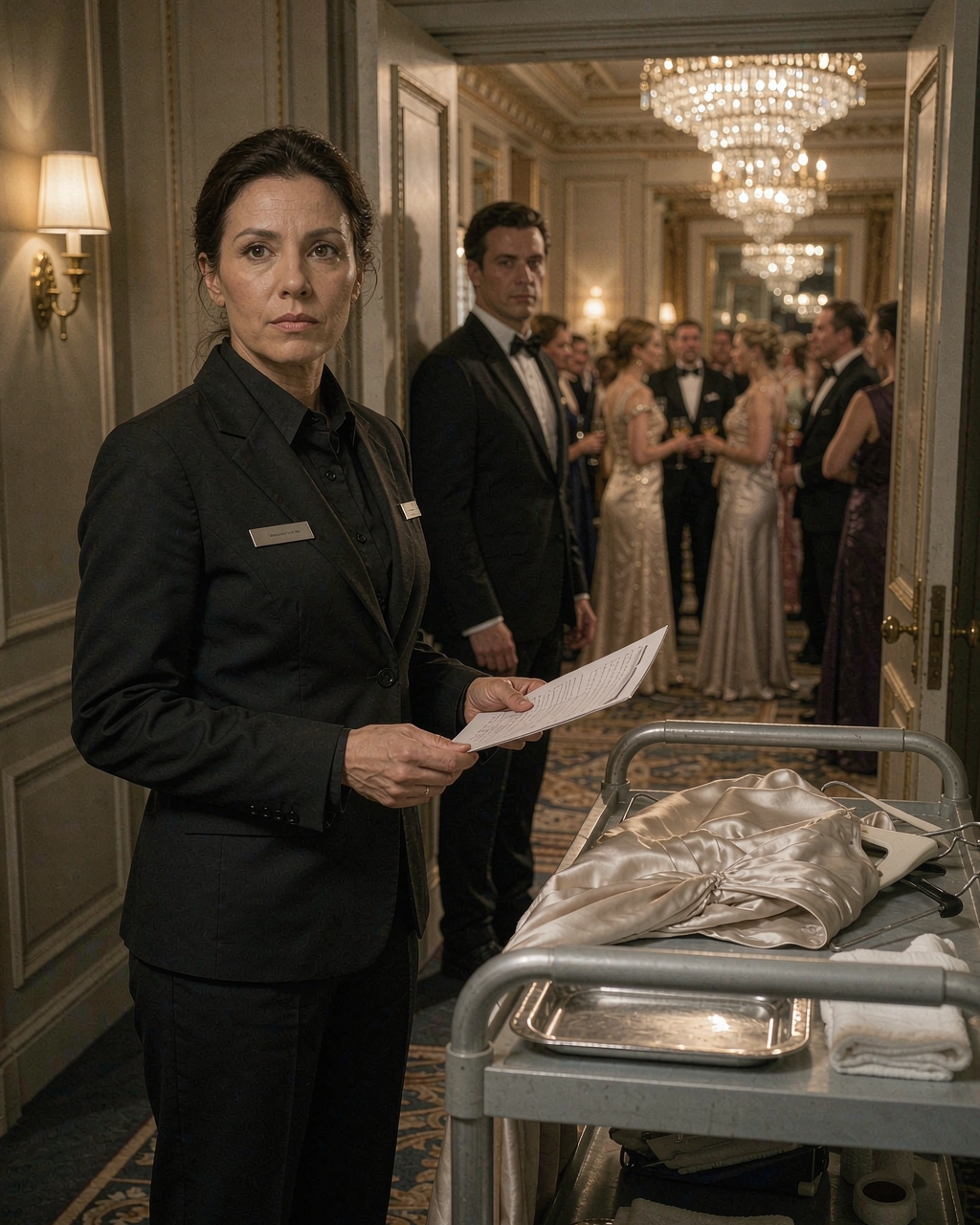
On the fifth evening, her knock came. She looked exhausted and thinner, with dark rings under her eyes and a canvas envelope in both hands. She set it on the table and pushed it toward me. Inside was a thick stack of cash and a handwritten list.
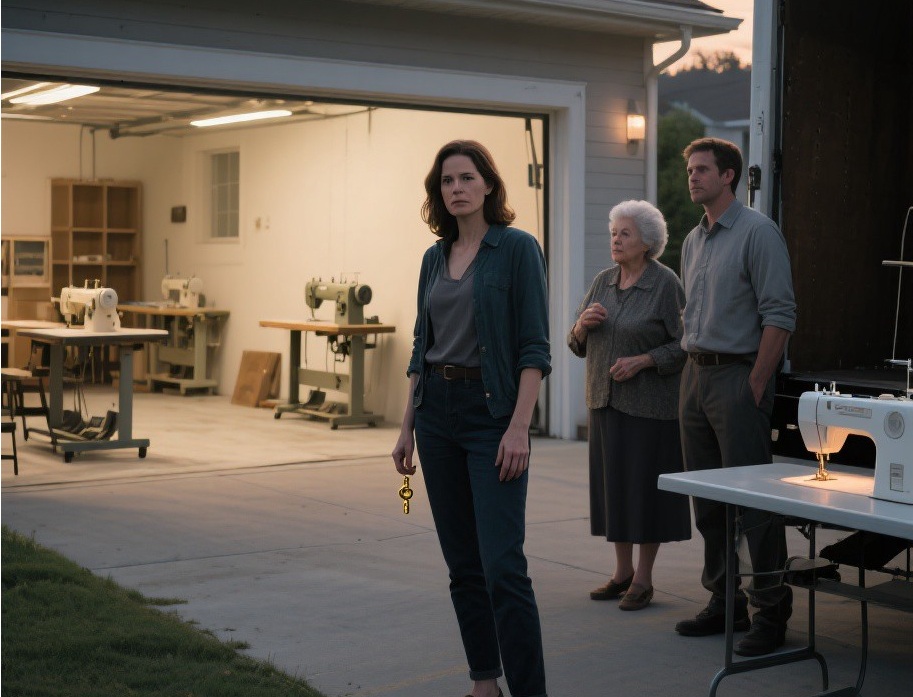
She had sold her car. She had picked up double shifts at the diner, sleeping three hours a night. She had worked two overnight cleaning jobs through a temp agency. She had sold her textbooks back at a loss and emptied the savings account she kept for her final year of tuition.
The list itemized every dollar. At the bottom, in her careful handwriting, she had written: "It's not enough, but it's a start. I'll get more. Don't you dare give up."
I want to be precise about what that envelope contained, because "she helped me" does not cover it. It was her car, her sleep, her degree timeline, and the entire margin she had spent two years protecting. She gave it to a man she believed was dying, and she did not tell me in advance because she knew I would try to stop her.
I Cried Like a Baby
I am not embarrassed to say I broke down in front of her. Every scheme my partner had planted, every cynical joke about gold diggers, collapsed at once.
When I finally caught my breath, I told her everything. The money, the business, the bet with myself, the whole ugly machinery of it.
She stared at me for a long moment. Then she took the envelope off the table, counted the cash back into her hands, and said, "Good. Then I'm keeping this. You owe me a car."
That sentence is the reason we are still together. She did not perform forgiveness she did not feel. She took what the week had cost her and let me watch her take it.
What She Taught Me About Testing People
We talked until sunrise. Tessa was hurt, deeply, and she had every right to be. She told me the truth I now repeat to anyone who asks: "You could have just asked me to prove something. Asking is respect. Trapping is not."
She forgave me eventually, but she made me earn it, and I am grateful for that. The relationship that survived that week is stronger than the one I almost destroyed, because it is built on something better than my test: her choice, made freely, with her eyes open about who she was choosing.
My partner still laughs about the story. I do not. I think about how close I came to losing the realest person I have ever met because I trusted a cynical joke over two years of evidence sitting across the breakfast table from me.
What the Test Was Actually Measuring
People assume the lesson here is that Tessa passed. She did, but that is not the useful part. The useful part is that a test only measures the person who sets it, because the test tells you what you were willing to do to someone you claimed to love in order to feel safe.
Tessa never needed my money, which is exactly why she never asked for it. When I had nothing, she gave me everything she had. She drives a new car now, and she never lets me forget why.
So if you are tempted to run an experiment on someone's loyalty, put the experiment down and ask the question out loud instead. It is cheaper, it is honest, and it cannot cost you a car, a semester, or the only person in the room who was already telling you the truth every single day.