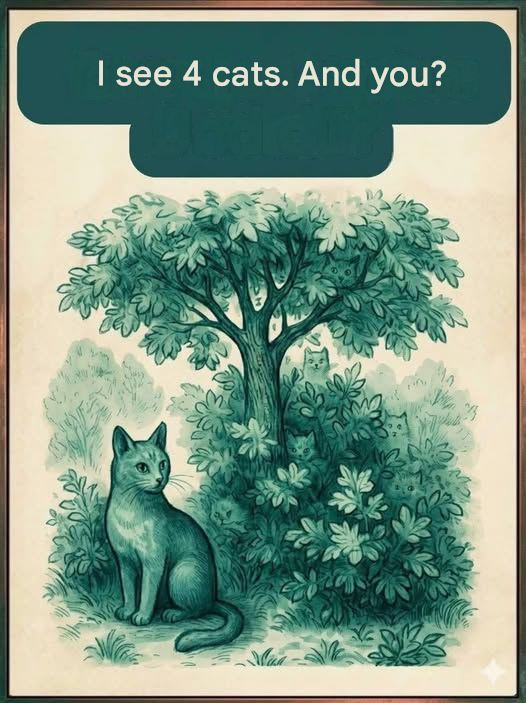
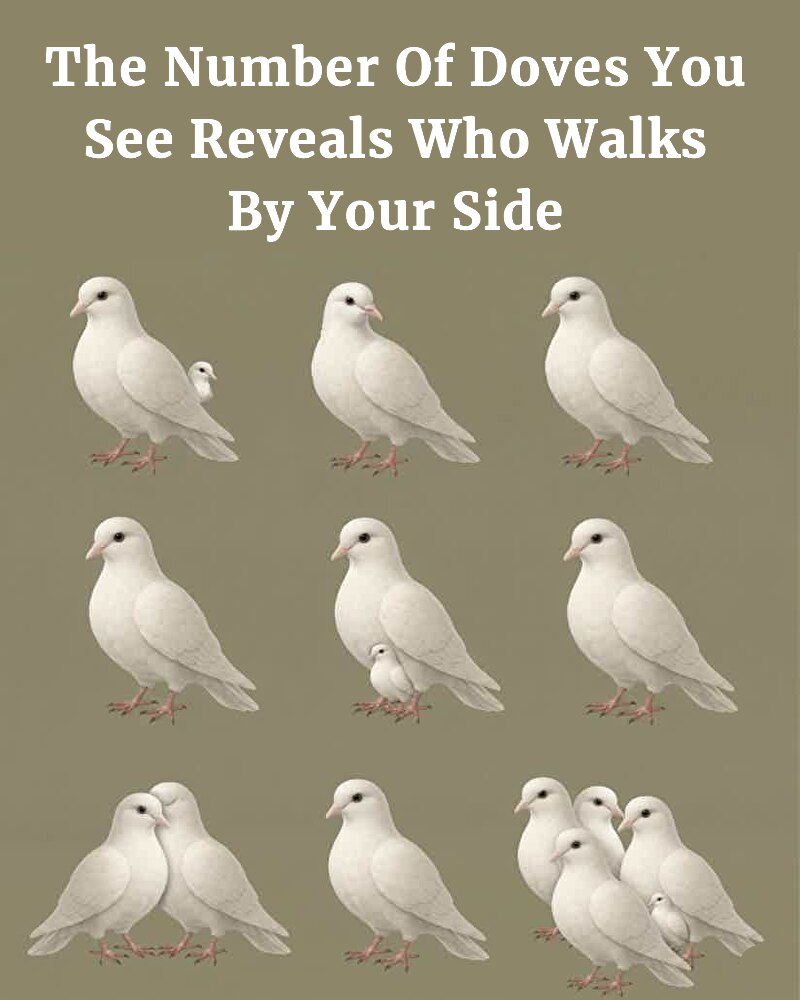
Every so often, a single image sweeps across social media and refuses to let people go. The latest obsession is a deceptively simple drawing of a tree, shared hundreds of thousands of times, that supposedly contains ten hidden faces. Most viewers spot two immediately. The other eight? They can take minutes, hours, or in some cases never appear at all. According to the puzzle's most enthusiastic fans, anyone who finds all ten belongs to the sharpest one percent of observers. Think you have the eyes for it? Here is everything you need to know before you dive in.
A Visual Test That Fascinates Everyone
At first glance, the picture shows little more than an unusual tree with twisting branches and textured bark. Look closer at the base of the trunk and two clear human profiles emerge, facing each other. Those are the easy ones, and finding them is what hooks people. The real challenge begins once you realize the description promises eight more faces woven into the wood grain, the curves of the limbs and the shadowed gaps between branches.
Reactions vary wildly. Some people claim they identified six or seven shapes within seconds, only to stall completely on the final few. Others stare for ten minutes without seeing anything beyond the first two, then suddenly notice a whole cluster of faces the moment they glance away and look back. That unpredictable experience is exactly what makes this illusion so addictive.
How Our Brain Plays Tricks on Our Eyes
The reason these puzzles work lies in the partnership between your eyes and your brain. Your eyes capture raw light, but it is your brain that decides what the shapes mean. When an image is rich in textures and curves, the brain prioritizes the strongest outlines first and glosses over the subtler ones. This is called pareidolia, the same mechanism that lets us see animals in clouds or faces in electrical outlets.
In this particular drawing, the artist has exploited that system brilliantly. The wood grain forms noses and chins. Shaded hollows become eye sockets. Branch curves trace hairlines. Because the faces are fused into organic shapes, your brain initially files them as background texture and refuses to promote them to the foreground until something, a shift in attention, a change in angle, breaks the pattern.

The Challenge of the 10 Hidden Faces
The most circulated version of the image insists there are ten faces in total: two obvious ones and eight that demand genuine effort. There is no official timer, but the unofficial game is to find them all in under two minutes. Anyone who manages it earns serious bragging rights in the comments, where people post their counts like scores at an arcade. Intriguingly, self-reported results follow a rough pattern that puzzle trackers have noticed across similar challenges. Most casual viewers plateau around four or five faces. Determined searchers who use deliberate scanning techniques push past seven. And the rare few who clear all ten within the two-minute window tend to describe the experience the same way: at some point, the faces simply stopped hiding, almost as if the image had flipped like a switch.
If you are struggling, try these tactics. First, do not stare at one spot. Let your gaze drift across the whole image, because fixed focus actually suppresses peripheral pattern recognition. Second, mentally trace the lines as if you were coloring them in; hidden contours tend to pop when you follow them deliberately. Third, try squinting slightly or viewing the image from an angle, which softens fine detail and makes larger shapes stand out. Finally, step away for thirty seconds. Many people report that the missing faces appear the instant they return.
Why We Love This Kind of Challenge
Part of the appeal is competitive, but a deeper reason is neurological. Small visual puzzles deliver a quick hit of accomplishment with no real stakes. Psychologists note that spotting a hidden shape triggers a small release of dopamine, the same reward chemical behind the satisfaction of finishing a crossword clue. In a stressful world, a two-minute illusion that reliably produces a tiny victory is cheap, portable joy.
These puzzles also train genuine skills. Sustained attention, systematic scanning and flexible interpretation are all exercised when you hunt for hidden figures, and teachers have even used similar images to warm up classrooms before lessons that require focus.
So How Many Did You Find?
Whether you spotted all ten faces or gave up after three, the real point is the experience itself. The tree illusion is a reminder that perception is not passive. What you see depends on how you look, how long you look, and how willing your brain is to abandon its first assumptions. If you managed every face in record time, congratulations, your pattern recognition is genuinely elite. If not, do not worry. The faces were there all along, waiting patiently for your eyes to catch up. Share the image with a friend and watch their confidence crumble the same way yours did.