My name is Walt Brennan, and for fifteen years I trained United States Marines. One rule was drilled into every class I taught: you never put hands on a civilian unless there is no other choice. Restraint is what separates a warrior from a bully. Then my daughter turned up in an emergency room with a concussion and broken ribs, and the man responsible laughed in my face. Every fighter in his gym was about to learn how badly they had misjudged the gray-haired father standing in their doorway.
The First Handshake Told Me Everything
His name was Brock. I disliked him from our very first handshake — too firm, too performed, the grip of a man who confuses making people flinch with earning their respect. He was a rising MMA fighter, local headline material, and he made sure everyone within earshot knew it.
My daughter Kelsey had been dating him for months when I began noticing changes. She started wearing turtlenecks in warm weather. She stopped laughing the way she used to. At family dinners she answered questions in single syllables and watched the door like she was timing an exit.
Then one evening my wife leaned across the table and whispered the words that turned my blood to ice water. "I saw bruises on her arm. Finger marks."
The Marine Rule: Intelligence Before Action
Everything in me wanted to drive to Brock's apartment that night. But I have seen what rage without information does — it gets innocent people hurt, and it gets the wrong man arrested. So I did what I was trained to do. I started digging.
What I found made the situation worse than a boyfriend with a temper. Brock was the prized fighter at a gym bankrolled by the man he called his uncle — a local figure with real money, real influence, and a history of making problems disappear. Brock was not just arrogant. He was protected, and he knew it. That protection, I realized, was exactly why Kelsey stayed. Fear of what he and his people would do if she left.
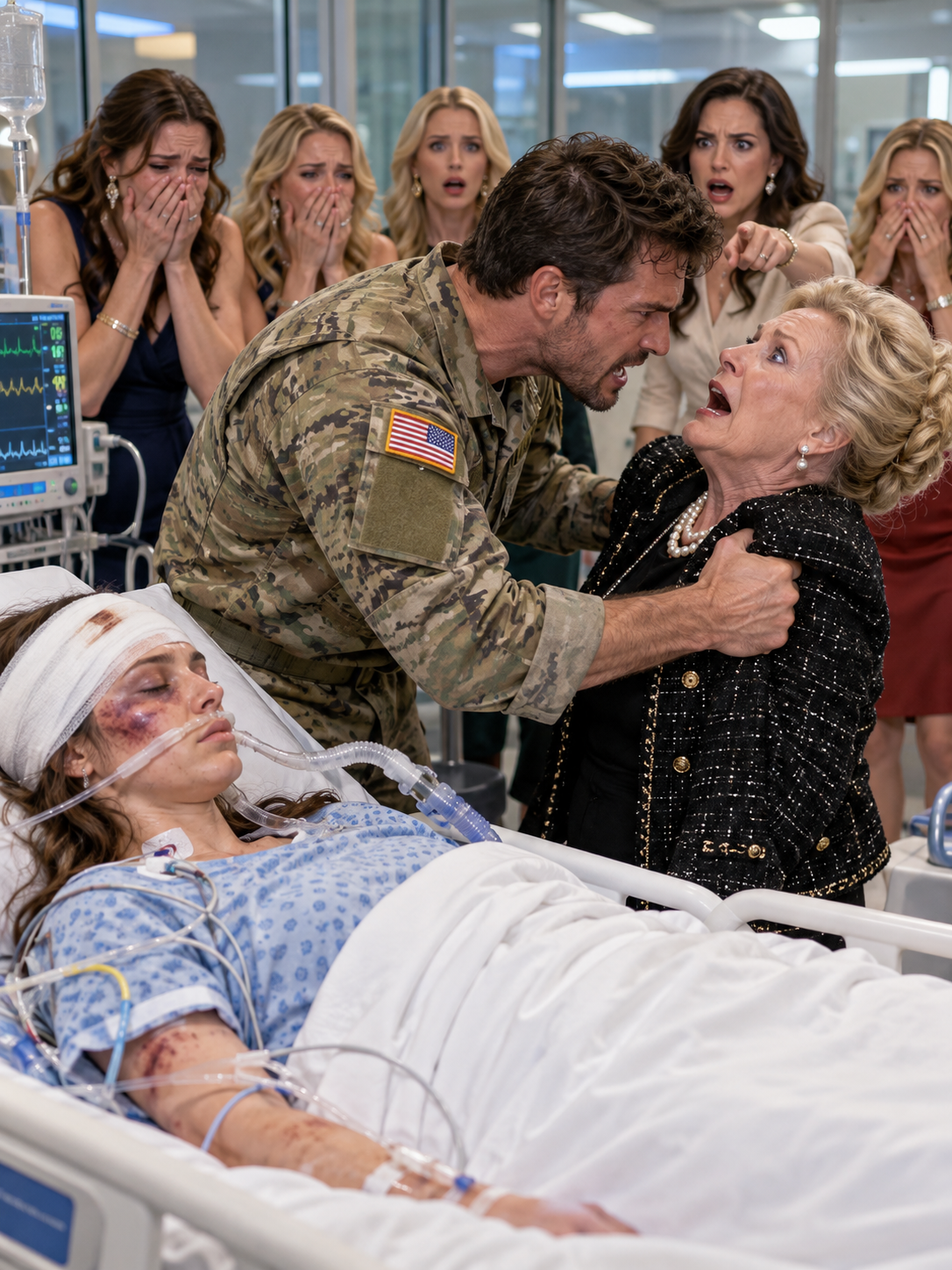
A few nights later she came home crying. "Dad, please don't do anything," she begged. I held her shoulders gently and asked what happened. She wouldn't say. Ten days after that, a phone call from a hospital social worker told me everything: Kelsey was in the ER with a concussion and three broken ribs. The story she gave the doctors was a fall down the stairs. Her eyes, over the doctor's shoulder, told me it was a lie.
Walking Into the Lion's Den
Two days after she was discharged, I drove to the gym. No weapons, no backup, no plan except the one rule I had never broken: no first strike.
Brock saw me coming and grinned at his training partners. "Look who wandered in," he said. "Thought you'd have learned your place by now, old man."
"You put my daughter in a hospital," I said, loud enough for the room to hear. "So here's your choice. You walk into the police station with me today, or you sign a waiver and we settle this under your own rules, right now, in front of everyone." His uncle's lawyers, I knew, would bury a police complaint for months. But pride is a language fighters cannot refuse.
He laughed — the same laugh Kelsey must have heard — and someone tossed him the gloves. "Three rounds," he sneered. "I'm going to enjoy this."
Fifteen Years of Teaching Show Up
I had not competed in decades, but I had spent fifteen years teaching young men how to control distance, read intention, and stay calm when someone is trying to hurt them. Brock fought like a highlight reel — explosive, emotional, hungry for the crowd. Emotion is fuel, but it is also a tell. By the second round he was swinging at where I had been, gasping, his composure gone with every taunt that failed to land.
I never threw the first punch. I did not need to. He gassed himself out chasing humiliation, and when his knees buckled from exhaustion more than anything I had done, I put a hand on his shoulder and let him fall to the mat alone. "That's what your uncle's money can't buy," I told him. "Discipline."

What Happened After the Bell
The room had gone silent. Several of his training partners had watched Kelsey grow up at their own family barbecues. One by one, people began talking to the police — the gym's manager among them, tired of covering for the uncle's favorite. With medical records, photographs, and witnesses, the case that lawyers would have stonewalled for months moved in weeks. Brock was charged. The uncle's operation attracted attention from people with badges and budgets I will never fully understand, and the gym shut its doors by spring.
Kelsey moved home while she rebuilt, finished her nursing degree, and now volunteers with a domestic violence advocacy group, telling younger women the thing she wished someone had told her: the first bruise is the whole message.
People ask whether I regret not hitting him. I tell them what I told my Marines. The point of training was never the violence. It was the choice — and knowing, at the moment it mattered most, that you did not need it. The gray-haired man in the doorway didn't win a fight that day. He won something better: he walked out with the rule intact.