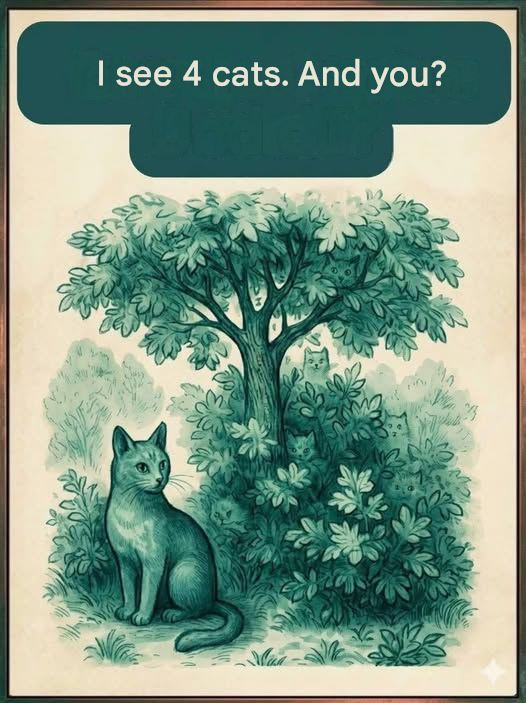
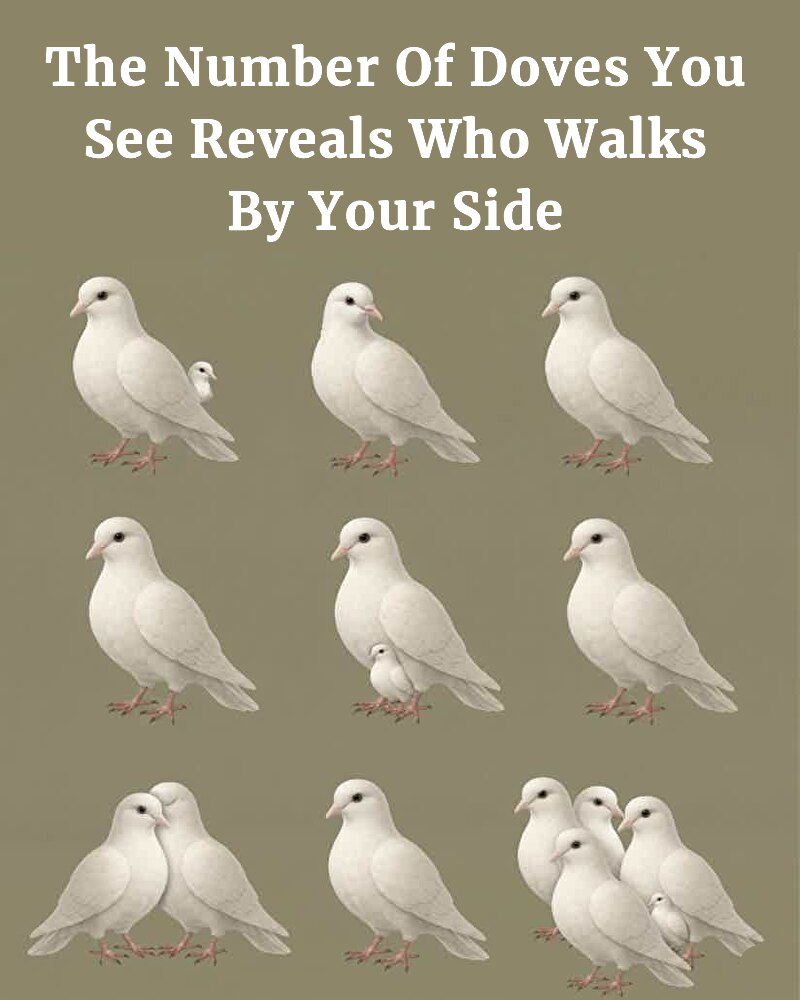
The scene looks perfectly ordinary — that's the entire con. Somewhere in this pleasant picture, a bottle sits in plain sight, invisible to most viewers not because it's hidden but because their brains have already declared the scene understood. If you can't find it, congratulations: you're about to learn something uncomfortable about how you see everything.

Why Your Eyes Skim Instead of Look
The mechanism is called schema processing, and it runs your entire visual life. The brain recognizes familiar patterns — faces, furniture, landscapes — and, having classified the scene, stops inspecting it. Detail-by-detail examination is metabolically expensive; evolution priced it accordingly. So we skim. We've skimmed every room we've ever walked into, every webpage, every commute. Hidden-object puzzles exploit the skim by placing their target somewhere the schema says nothing important lives.
That's why the instruction "look carefully" fails and "look differently" works.
The Zone Method That Solves It
The reliable technique divides the image into a checklist instead of a vibe. Break the scene into zones — top left, top right, center, bottom left, bottom right — and inspect each deliberately, naming what you see. Deliberate naming forces the processing that skimming skips. Most solvers report finding hidden objects this way in under a minute, versus endless unstructured staring.
Second technique: change the scale. Push the screen farther away, then bring it close. Distance flattens detail and makes anomalous outlines pop; closeness reveals texture mismatches. And hunt the outline logic — the bottle's straight lines and manufactured symmetry don't belong in natural scenes, which is exactly the mismatch your peripheral vision flags if you let it vote.
The Answer
Still stuck? Here it is: the bottle is positioned between the man's feet. Once seen, it becomes unseeable-adjacent — the shape so obvious you'll wonder how your visual system suppressed it for a full minute. That wonder is the puzzle's actual product: the demonstration that your perception, running confidently the whole time, simply chose not to report the bottle. It wasn't hidden. You were busy.
The Two Outcomes, Both Valuable
If you found it in seconds, your observation habits beat the majority's — and you should be the friend who reviews the contract, spots the scam email, and notices the new haircut. If you needed the answer, you're in the healthy majority, and you've just refreshed the most transferable lesson puzzles offer: looking is a skill, not a default. The difference between seeing and noticing is deliberate attention, and it's trainable in exactly the way this puzzle exercises it.
Where Else the Bottle Is Hiding
The meta-lesson extends past games. Every inbox contains a bottle — the one email whose phrasing quietly changes the terms. Every budget, every lease, every appointment summary. The people who find them aren't smarter; they've simply kept the zone method running in real life, scanning deliberately instead of skimming confidently. So enjoy the small victory, pass the image to a friend without hints, and savor watching their minute of confident blindness. Then remember the feeling next time you're sure you've seen everything. You haven't. You've classified it. There's a difference — and the bottle knows.
The Neuroscience of the Click
The moment the bottle appears — that snap of recognition — has a name and a mechanism. Insight problem-solving produces a distinctive neural signature: a burst of gamma-band activity in the temporal lobe, preceded by an alpha-wave reduction that effectively opens the brain's channels to weak associations. In plain terms: the answer arrives suddenly because the search mode changed, not because the eyes moved. This is why stepping back from the screen works, why bathroom-break solutions arrive unbidden, and why staring harder at the same pixels fails. The brain needs permission to re-categorize the scene, and gentle context shifts grant it. Puzzle designers who understand this build images with deliberately ambiguous zones; your brain does the rest. The bottle was never hidden from your eyes — only from your expectations. Insight is just expectations losing an argument with attention.
The Bottle as Metaphor
By now you've either found the bottle or you're pretending you have — either way, the puzzle has delivered its real cargo. Every field has its version: the error sitting between two lines of working code, the clause buried on page nine, the symptom hiding between two normal test results. The finders in those domains aren't gifted; they've simply refused to let the scene's confidence finish their search for them. Hidden-object puzzles are practice for that refusal — cheap, immediate, and humbling in exactly the right dose. The bottle was between the feet the whole time. Whatever you're looking for this week probably is too: right where you stepped, in the zone your attention classified as empty. Look again. Slowly. By zones.