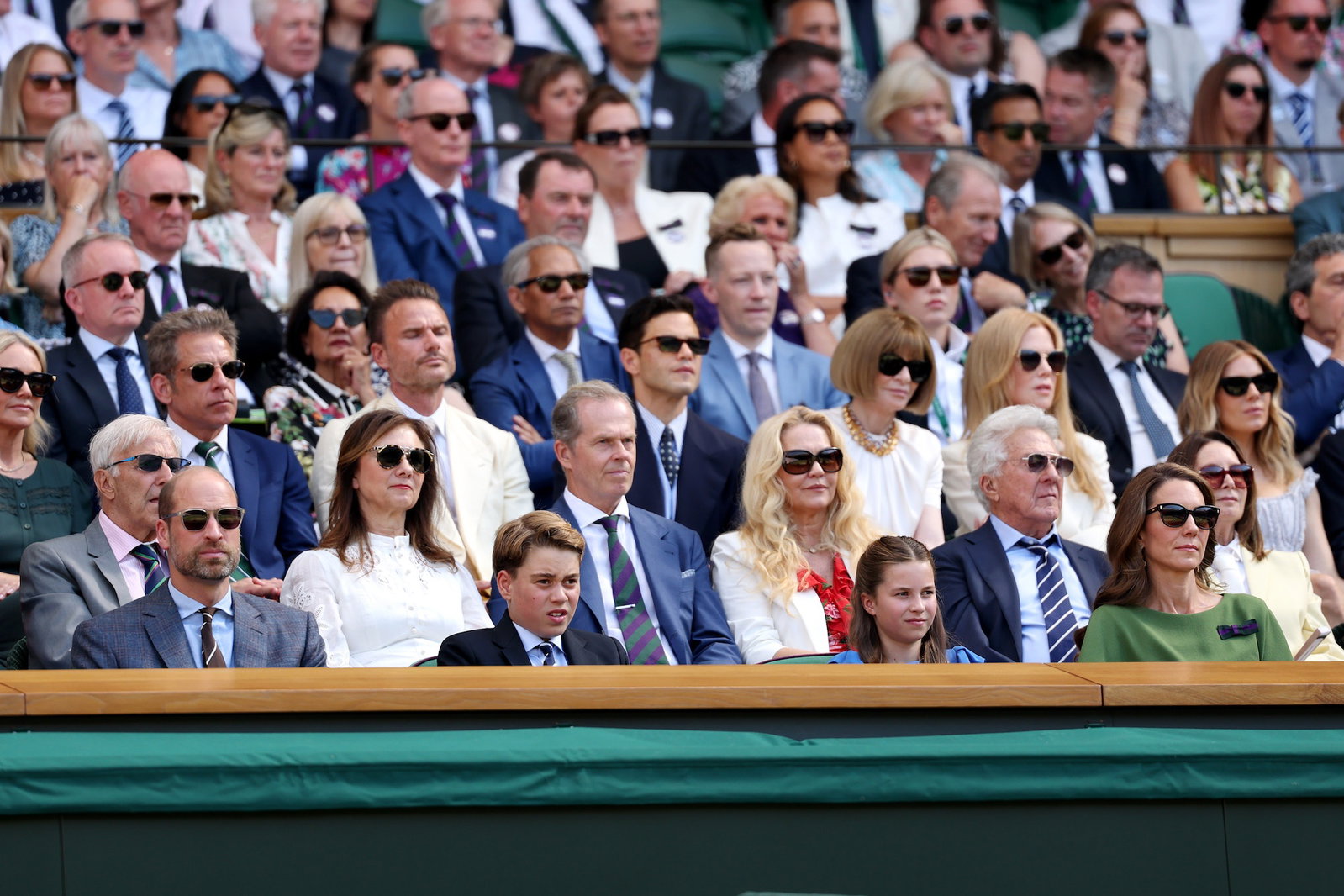
When Prince William eventually becomes king, Catherine, Princess of Wales, will take on the title of queen consort. While nobody expects that transition imminently, the question of whether she is truly prepared has become a favorite topic among royal watchers, and the answer from those closest to the couple is remarkably direct.
The Succession Timeline, Explained Simply
William, 43, is first in line to the throne and will become monarch following either the passing or abdication of King Charles III, who is 77. Constitutional convention and the King's evident commitment to lifelong duty suggest the moment remains years away. Yet royal insiders point out that preparation for such roles is measured in decades, not months, and by that standard the Princess of Wales is already deep into her apprenticeship.
The Blunt Assessment From Inside the Couple's Circle
Royal author Katie Nicholl, writing in the Mirror, reported that people close to William and Kate believe the Princess is fully ready for the role. When Nicholl asked a source familiar with the couple directly whether Kate is prepared to become queen consort, the response was characteristically understated and unambiguous: she is ready if that moment comes sooner than anyone expects.

The source added that while both William and Kate hope the King reigns for many years to come, they are considered capable and well-prepared should circumstances accelerate. Over a decade of public duties, gradually increasing responsibilities, and careful mentorship from senior figures have built what commentators describe as one of the most thorough on-the-job trainings in royal history.
How Kate's Preparation Has Actually Worked
Catherine's approach to royal life has been methodical from the start. She spent years as a supporting player before taking center stage, building expertise in early childhood development, mental health, and family wellbeing through her Royal Foundation Centre for Early Childhood. Her foreign tours, state banquet appearances, and solo engagements have multiplied steadily, each one quietly rehearsing a future role.
Observers also note her steadiness under pressure. From the early years of intense tabloid scrutiny to her own health challenges handled with characteristic discretion, the Princess has demonstrated the composure the role of queen consort demands. Commentators frequently compare her path to that of the late Queen Elizabeth II, who also trained gradually and deliberately for a crown she did not expect to wear so soon.
Jennie Bond on the Couple's Increasing Focus

Former BBC royal correspondent Jennie Bond has offered her own perspective on the Waleses' evolution. She suggested the couple has increasingly concentrated on their own responsibilities rather than narratives involving other family members. Bond noted that William and Kate have spent several years establishing distance from the Duke and Duchess of Sussex, and that they appear focused squarely on duty rather than public controversies.
She added that upcoming events, including traditional gatherings such as the Easter service in Windsor, may offer further clues about relationships among senior and extended members of the family. Attention has also lingered on Princess Beatrice and Princess Eugenie, who have kept a notably low profile in recent months amid renewed scrutiny of their father, Andrew Mountbatten-Windsor, and his past associations.
William's Vision Shapes Kate's Future Role
Significant too is the kind of monarchy William intends to lead: smaller, leaner, and more mission-driven. Kate would not be a ceremonial consort in the traditional mold but an active partner in a reformed institution, likely continuing her early childhood work on a national scale. Royal historians observe that consorts historically shaped reigns profoundly, from Prince Albert to Prince Philip, and all signs suggest Catherine intends to follow that tradition on her own terms.
So, is Kate Middleton ready to be queen? According to those who know the couple best, the answer is a simple yes, whenever the moment arrives. The hope inside the palace is that the moment is far off. The confidence is that, whenever it comes, the transition will be seamless, because the preparation has been quietly underway for twenty years.
The Modern Consort, Redefined
Historical context strengthens the argument that Catherine is better prepared than most consorts in modern memory. Queen Elizabeth the Queen Mother spent years as Duchess of York before an unexpected accession thrust her into the spotlight, and she became one of the institution's most beloved figures by combining duty with warmth. Prince Philip and Prince Albert both reshaped their monarchs' reigns from beside the throne, proving that consorts are never decorative. Catherine's generation of preparation, however, has been unusually deliberate: structured charitable platforms, measured media exposure, and a modern family life that humanizes the institution without diminishing it. Public polling has consistently placed her among the most popular royals, a reserve of goodwill that will matter enormously when the pressures of a new reign begin. Royal aides often repeat a phrase attributed to palace circles: the monarchy's future depends less on the crown than on the couple wearing it. By every measurable standard, the woman who would stand beside the next king has spent her adult life getting ready for exactly that.