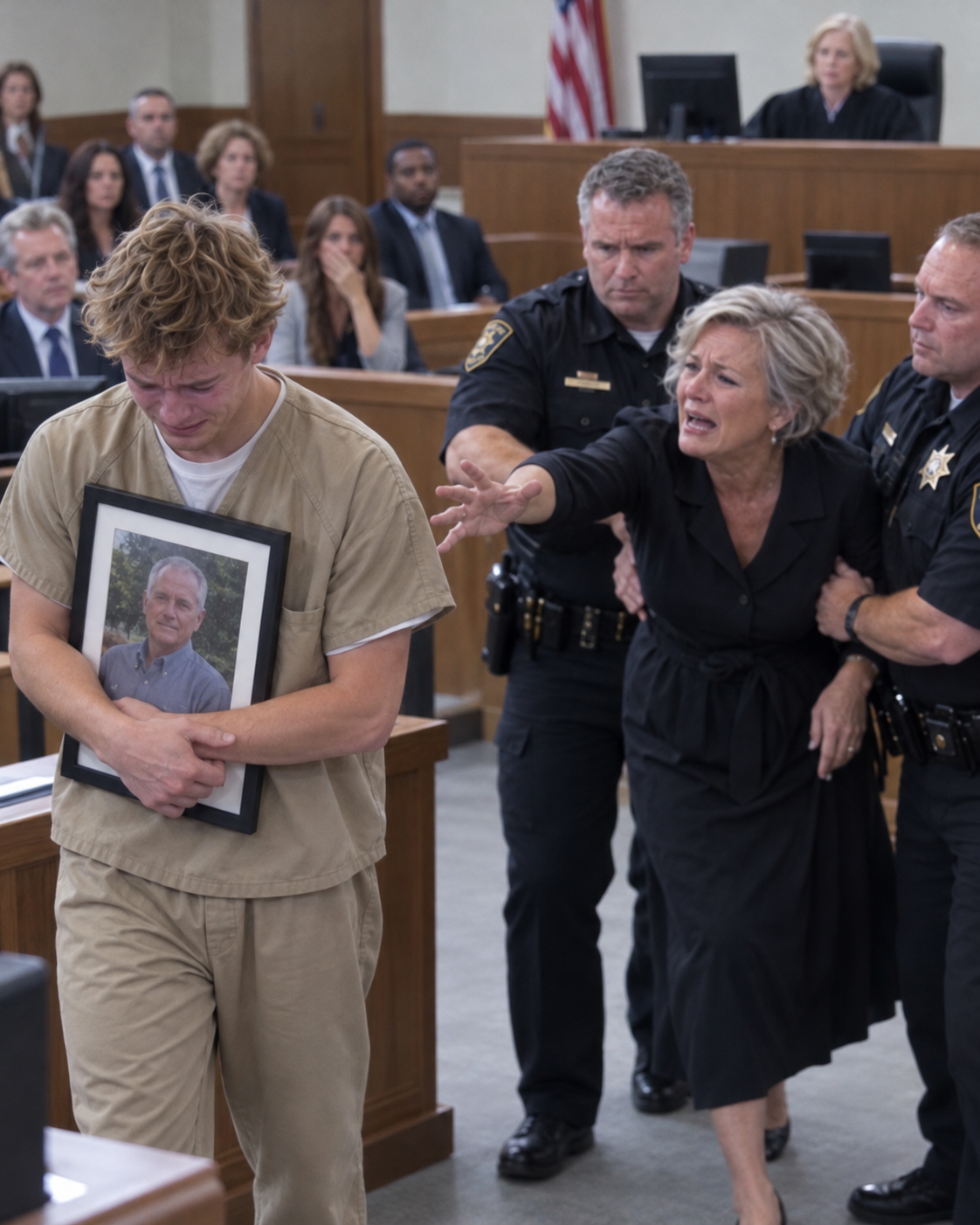
I walked out of Ironwood Prison after 1,095 nights with one plan: hug my father, eat a real meal, and start over. My stepmother met me at the door of the Lakeview house and told me he had been dead for a year. What I learned in the following weeks is the only thing I have to offer anyone who has been lied to by people with paperwork: a lie is a structure, and every structure has a door, a key, and someone who was paid to look away.
"He died a year ago, Mason, and this house doesn't belong to you anymore. So don't make a scene. Just leave."
That was Brenda. She said it the way you would read a parking notice, flat and finished, and then she waited for me to go. I stood on the porch of the house I grew up in, in borrowed clothes, with a backpack and hands that would not stop trembling, and I did not move for a long moment, because moving would have meant agreeing with her.
My name is Mason Prescott. I went to prison for a theft I never committed, and the only thing that kept me sane was my father's voice in my head: "Hang in there, son. The truth always finds a way to come out." Now the man who said those words was supposedly gone, and the woman at the door seemed determined to make me feel like a stranger in my own home.
The Door That Closed on My Whole Life
I argued with a woman I had never trusted. "Where's my father?" I asked. She leaned against the frame with a cold stare and repeated her story. Dead a year ago. House is hers. Move along. She did not shed a single tear. She did not invite me to the funeral she claimed had already happened. She simply wanted me off the porch before a neighbor looked outside.
Three details stayed with me, and each one was wrong in a different way. No tears, which is not proof of anything except that she had practiced. No funeral, which made no sense if a man had really died a year earlier in a town where people talk. And no curiosity about me, not one question about three years inside, not one look at what the place had done to my face.
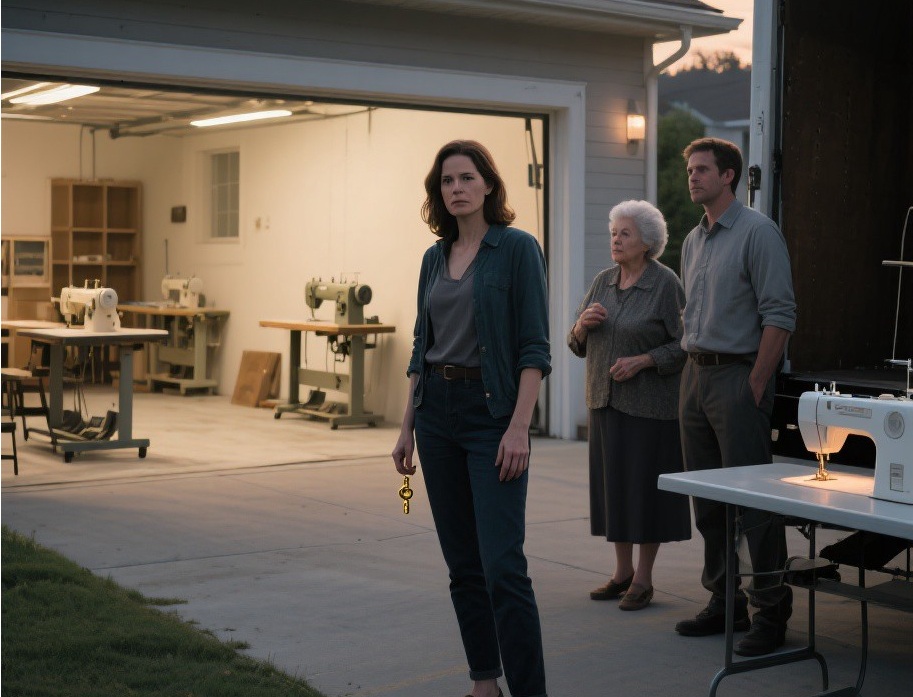
I walked away because I had no legal footing and no strength left for a scene. But in my pocket I carried something she didn't know about: an old brass key my father had pressed into my hand the week before my arrest, telling me, "If anything ever happens to me, this opens my desk drawer at the lake cabin." I had kept it through three years of cell searches.
A Grave With My Father's Name on It
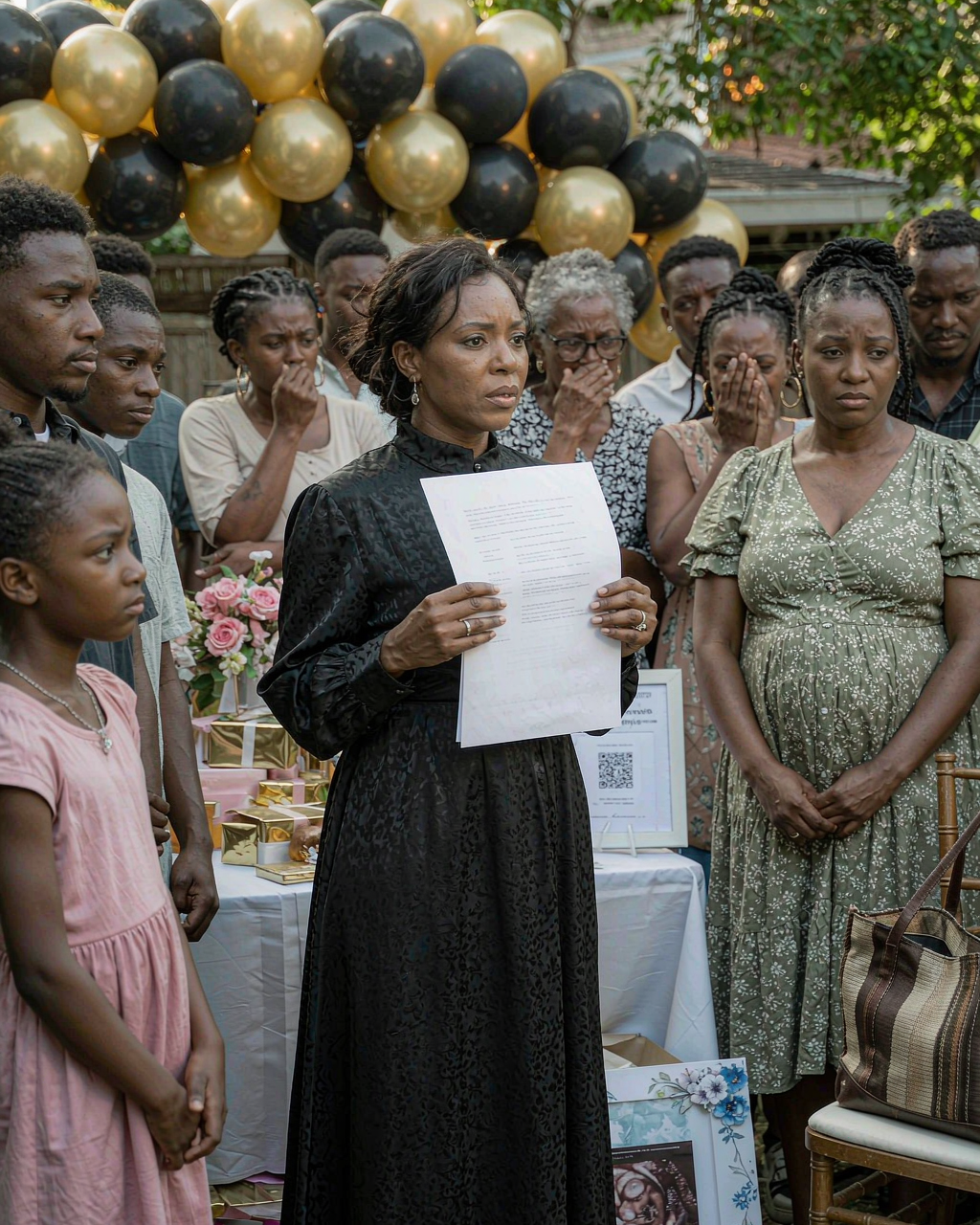
Instead of a bus ticket out of town, I took a city bus to Fairlawn Cemetery. If he was really gone, the least I could do was stand at his grave. I found the marker easily, fresh granite, my father's name, dates that said he had died fourteen months earlier. I felt the ground tilt under my feet. The man who had promised to visit me every month had never come once, and now I understood why.
I knelt there for a long time. That was when the groundskeeper, an older man in a faded cap, ambled over and studied me. I told him I was the son. He glanced around the empty cemetery, crouched beside me, and lowered his voice.
"Sonny, nobody was buried in that grave."
The Whisper That Changed Everything
I stared at him. He kept talking, quiet and fast, like a man who had been waiting years to unburden himself. He told me the plot had been purchased and a marker placed, but the paperwork showed a cremation with no burial service, and no name on any funeral home ledger he could find. Stranger still, he said a man had visited that marker every Sunday for months. An older gentleman, gray hair, walking with a cane.
"He sat right where you're sitting. And every time, he left before I could get a good look at him. But last month he asked me to keep watch, said if a young man named Mason ever came asking, I should tell him to go to the cabin and use the key."
My hands shook so hard I could barely pull the brass key from my pocket. My father was alive. Or he had been, recently. Either way, Brenda had lied through her teeth about everything.
Think about what that groundskeeper risked. He had a job to lose and nothing to gain by talking to a stranger in borrowed clothes. He did it anyway, because a man with a cane had asked him to, and because he had spent months watching a grave that nobody was in. Small courage, precisely placed, is the only reason this story has an ending I can live with.
What the Key Unlocked
The lake cabin was forty minutes away and looked abandoned, but the door opened, and the desk drawer matched my key perfectly. Inside was a thick envelope labeled with my name, a recorded phone call on an old mp3 player, and a letter in my father's careful handwriting. The recording captured Brenda and her brother discussing the scheme: they had framed me for the theft of company funds, forged documents pointing to me, and pressured my father to stay silent while his "son paid the price." When he threatened to go to the police, they staged his death and hid him in a care facility under a false name, controlling his finances while he recovered from a stroke.
I listened to that recording more than once, not because I did not understand it, but because understanding it required me to accept that the theft I had spent three years denying had been designed by people who ate dinner at our table. The frame was not a mistake in the system. It was a product, assembled carefully, with my name printed on the label.
The letter said he had been too weak and too watched to act, until he secretly recovered enough to move money into a trust for my legal fight-back. It ended with four words: "Come find me, son."
Justice, Slow but Absolute
Within two weeks, my lawyer filed motions with the recording and the letter attached. The district attorney reopened my case, and the wrongful conviction collapsed. Investigators traced my father to a care home three counties over, where Brenda's brother had been billing his accounts for a dead man. Brenda and her brother were arrested for fraud, forgery, and obstruction, and eventually tied directly to the frame-up that put me in Ironwood.
The part that still surprises me is how quickly it moved once someone with authority looked at the file. Three years of my life had been decided by documents nobody questioned. Two weeks undid it, because the documents finally had company. That is not a comfortable thing to learn about the system that took me, and I would rather say it plainly than pretend my case was unique.
On a bright spring morning, I wheeled my father out of that facility and into the sunlight. He squeezed my hand the way he had when I was a boy. "Told you the truth finds a way," he rasped.
It did. But it needed a key, a cemetery, and one groundskeeper brave enough to whisper a secret in the quiet of a Sunday morning. I have never been able to repay him. My father is home now, slower than he was, and I am still learning how to sleep in a room without a locked door. The truth found its way out because four people refused to let it stay buried: a man with a cane, a man with a key, a lawyer with a motion to file, and a stranger in a faded cap who decided that a grave with nobody in it was worth mentioning.