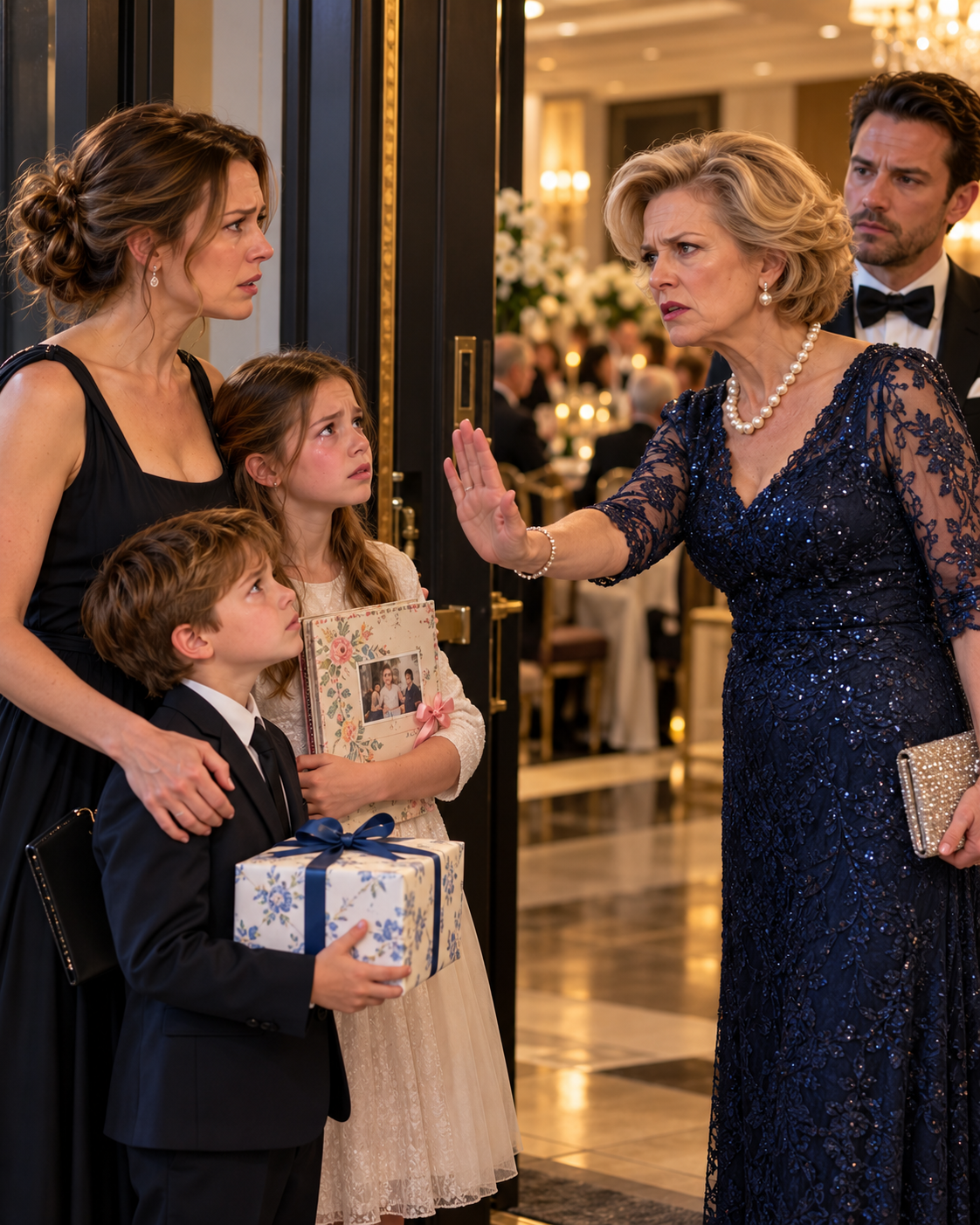
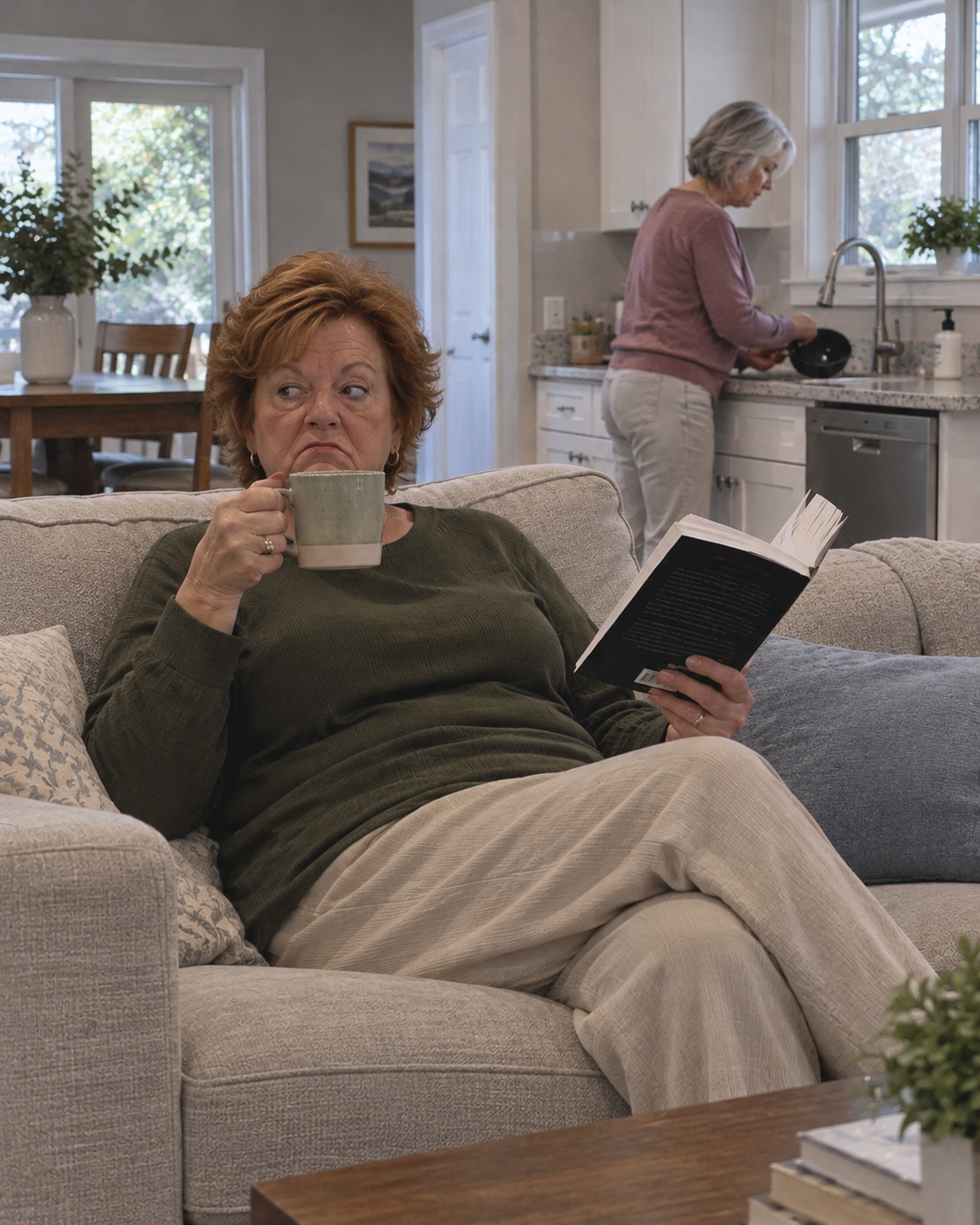
My mother hadn't spoken to me in fourteen years. No birthday call, no Christmas card, not even a forwarded email to check whether I was still breathing. Then one afternoon she stood on my porch with three enormous suitcases and made an announcement, as casually as if she were booking a weekend visit: "You have a five-bedroom house and millions of dollars! We're your parents, Brooke! We're entitled to a share of what you've built, and we're moving in!"

How Fourteen Years of Silence Began
The last time we'd all been in the same room, I had just introduced them to Wade — the man I'd chosen, the Army veteran who walked with a cane and stood straighter than anyone I knew. My mother's verdict was immediate and surgical. "You'll spend your life taking care of him," she said, as if love were a ledger and Wade had arrived with the columns already unbalanced.
My father said nothing, which I understood was his form of agreement. They wanted a son-in-law with a corner office and a golf membership. They got a man who had given his body to a uniform and came home walking slower but prouder than anyone at their country club. When I married him anyway, the door closed behind me with a sound I heard for years.
The Life They Said Would Be a Burden
Here's what my parents never saw, because they never asked. Wade's cane is not a tragedy; it's a tool. The man holds a mortgage I watched him negotiate down twice, fixes the water heater with one hand braced on the counter, and tells stories at dinner that make my sides hurt. The cane taps a rhythm through our house that my mother would recognize instantly if she'd ever bothered to visit — the rhythm of someone who survived something and kept going.
We built everything ourselves. Slowly at first, then not slowly at all. The five-bedroom house came later, bought with savings and a business Wade started from a folding table. The "millions," which my parents now cited like evidence in a trial, accumulated one unglamorous year at a time. Not one dollar of it arrived with their blessing attached.
The Porch Invasion
And then, of course, they found out. Someone from the old circle mentioned the house, the business, the money, and my parents performed a miracle of reconciliation: they drove straight to our door with luggage. My mother was already surveying the interior, mentally arranging furniture she hadn't brought yet. My father stood behind her, studying the ground like it owed him an explanation.
"Don't be dramatic, honey. We're family. Besides, you have plenty of room," she said. Fourteen years erased with the phrase we're family, deployed the way a locksmith deploys a crowbar.
Then I heard it behind me: slow footsteps, and the familiar tap of a cane on hardwood. Wade appeared in the hallway, calm as ever, and my mother's smile flickered for the first time. Whatever speech she'd rehearsed assumed a sick man who'd never been seen. The man in the doorway stood tall and simply said, "You must be exhausted. That's a long drive to make uninvited."
The Question That Changed Everything
I didn't argue. I didn't slam the door. Instead, I asked my father one simple question — the one I'd waited fourteen years to ask: "If Wade were still broke, would you be standing here?"
His face went pale. And his answer, when it finally came, revealed a secret my parents had buried for over a decade — something about their own finances, about why they needed my house so desperately, and about the version of events they'd told themselves to make fourteen years of silence feel justified. The suitcases sat on the porch like uninvited witnesses.
What I Learned About Family and Canes
People warn you that marriage is hard. Nobody warns you that the people who raised you might only reappear when the arithmetic improves. I used to think my mother's prophecy — that I'd spend my life taking care of Wade — was an insult. Now I think it was the truest thing she ever said, just not in the way she meant. I do spend my life with a man worth taking care of. The difference is that he takes care of me right back, and neither of us needs a five-bedroom house to prove it. My parents eventually got their answer on that porch. It wasn't a room. It was a question they couldn't survive.
The Suitcases Went Home
Wade never raised his voice and never needed to. He simply asked my parents which room they'd claimed in the house they'd ignored for fourteen years, then listened to the silence fill the porch. My mother softened her tone; my father finally confessed the shape of their trouble — debts, a refinanced home, and the certainty that their daughter's 'tragedy' of a marriage had at least come with a comfortable outcome. We offered help with one condition that had nothing to do with money: honesty, from now on, including an apology fourteen years overdue. The suitcases went home that night. The apology took longer.