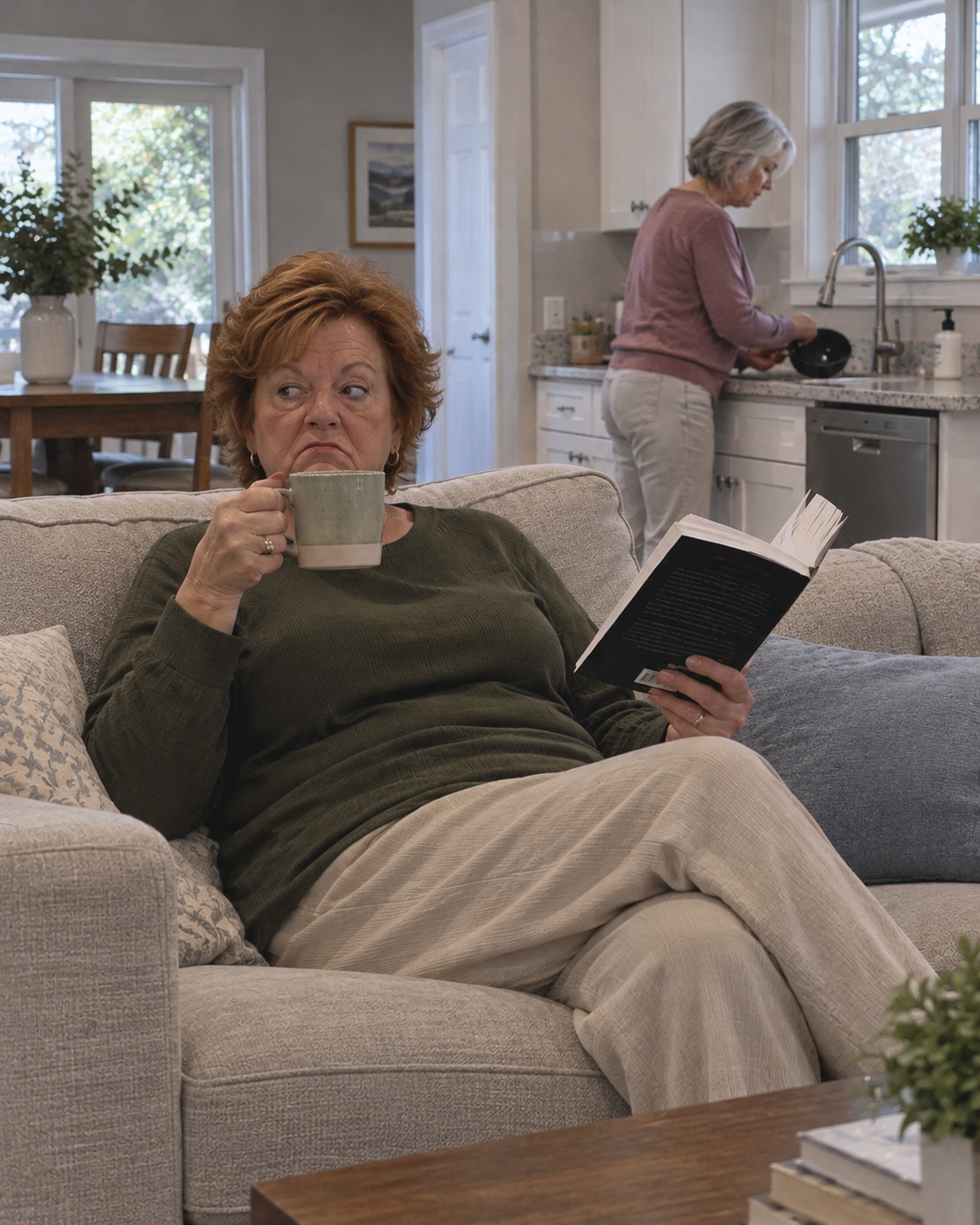
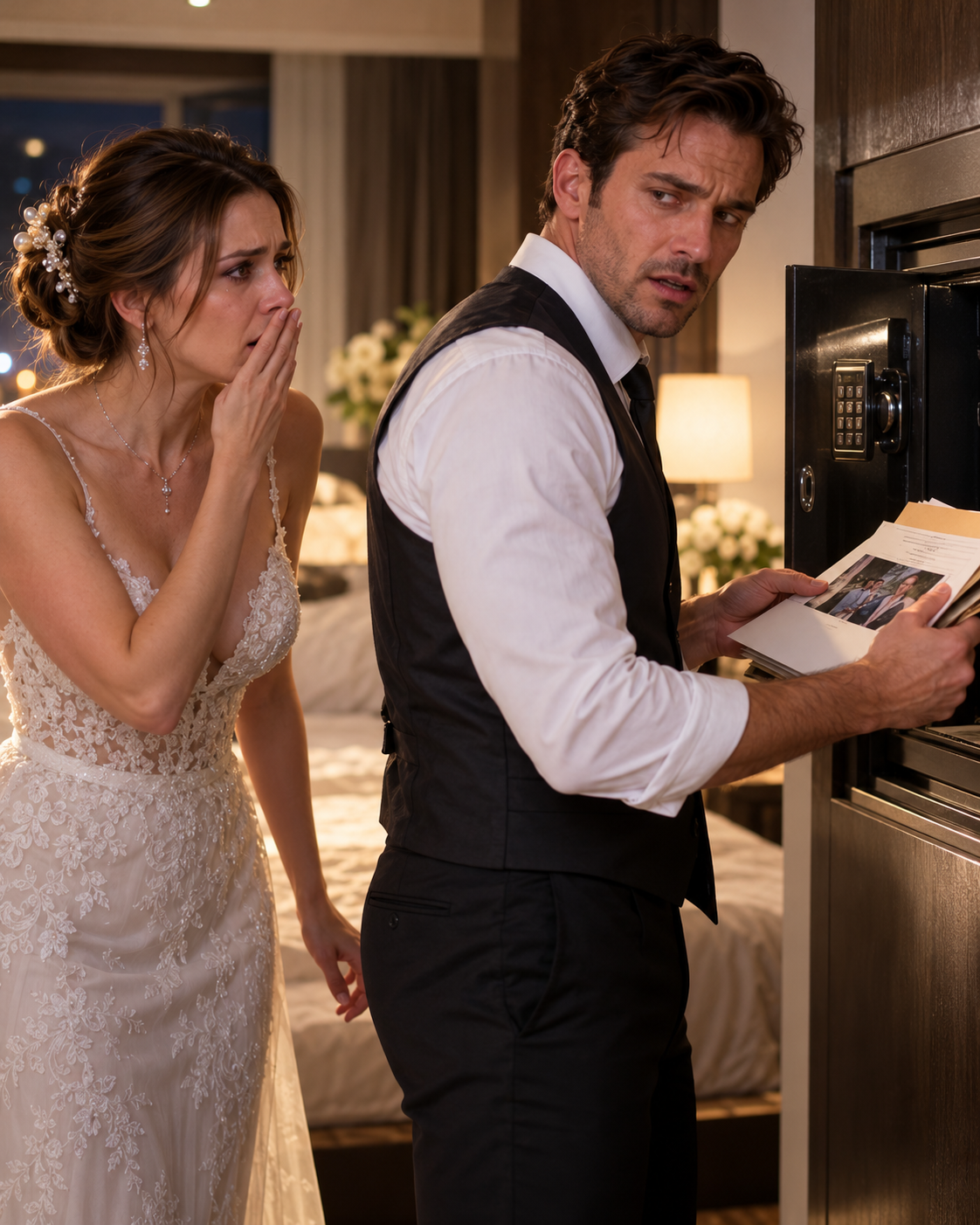
Some insults are loud. This one arrived with a pleasant smile and instructions about parking. Standing outside a private dining room in Boston's Back Bay, Catherine Bennett heard her mother-in-law explain — in the tone of someone confirming a table reservation — that only Michael was welcome inside. Catherine and the children would, Eleanor suggested, need to make other arrangements for the evening.
What makes the moment unforgettable isn't the cruelty. It's the receipts. Catherine had paid for nearly every detail of the celebration unfolding behind the glass doors.

The Woman Who Paid for Her Own Exclusion
Catherine, forty-three, had built a life out of second chances. A widow from her first marriage, she was raising two children while working to make her second marriage hold together. Eleanor Whitmore, her mother-in-law, had never fully accepted the arrangement — or the children — and the sixty-fifth birthday dinner was shaping up as the ultimate display of quiet disdain.
The venue was exactly the kind Eleanor had always dreamed of: white orchids at the entrance, a photographer greeting each guest, private dining room booked out for the evening. The deposit came from Catherine's account. So did the catering upgrade Eleanor had casually requested. So, in fact, did a long list of "small touches" that had added up over months of planning — all of it, Catherine realized too late, money spent toward a party she and her children were barred from entering.
Two Children, Two Gifts, One Door
Emma, fourteen, stood clutching a scrapbook she had spent a full week assembling — photographs, handwritten memories, small notes about the things she loved about her grandmother. Noah, nine, carried a porcelain tea set he had bought with months of saved allowance. He had picked the blue-flower pattern because his mother once mentioned those were Eleanor's favorites.
"Grandma," he said hopefully, "I picked the blue flowers because Mom told me those were your favorite."
Eleanor's smile didn't change. The instructions didn't change either: the children waited outside. Catherine looked at her son's face as hope drained out of it, and something in her settled — not into hurt, but into clarity.
The Man Who Walked Past His Family
Then came the moment Catherine would replay for years. Michael, her husband, looked at his wife. He looked at his children. And then he followed his mother inside.
He didn't argue. He didn't linger. He simply walked through the door his mother held open, leaving his family standing on a sidewalk in front of a party he hadn't paid for. Emma's scrapbook stayed in her arms. Noah's tea set stayed wrapped.
"That's when I understood," Catherine later told her brother, "that I wasn't fighting his mother. I was losing my husband."
The Phone Call That Night
Catherine didn't cry in the parking lot. She took her children for ice cream, let Emma talk the whole time, and drove home after bedtime. Then she picked up the phone and called her brother with a sentence that would have seemed unthinkable at the wedding: "Start preparing divorce papers."
There was no shouting, no dramatic confrontation through the restaurant door. The decision had already been made by someone else's footsteps. All Catherine did that night was sign off on it.
When the Story Starts to Collapse
By morning, the family's careful facade had begun to crack. Guests who had watched a grandmother turn away two children started asking questions Eleanor couldn't answer elegantly. The optics of a birthday dinner funded by the excluded daughter-in-law traveled through the family grapevine faster than Eleanor's version of events could chase it.
Relatives who had spent years dismissing Catherine's complaints as exaggeration suddenly had a vivid image to reconcile: a nine-year-old holding a gift, a door, and a father on the wrong side of it. Eleanor's sixty-fifth birthday would be remembered — though not the way she planned.
What Happens to People Who Choose Wrong
The deeper story here isn't about one cruel evening. It's about how marriages end — rarely in an explosion, almost always in a single visible moment when priorities stop being deniable. Michael didn't create his mother's cruelty, but his choice at the door made it his.
Catherine's brother, for his part, answered the phone a second time that week. The papers were started. And a woman who once paid for a family's celebration began budgeting for a smaller, warmer table of her own — one with a strict guest list and a permanent invitation for anyone who brings a wrapped tea set.
Family lawyers who see these cases note the pattern: the spouse who walks through the door that night usually spends the following months explaining the walk. Michael's excuse — that he couldn't humiliate his mother on her birthday — only confirmed the diagnosis. A man who can't protect his children from a seating chart will never protect them from anything harder.