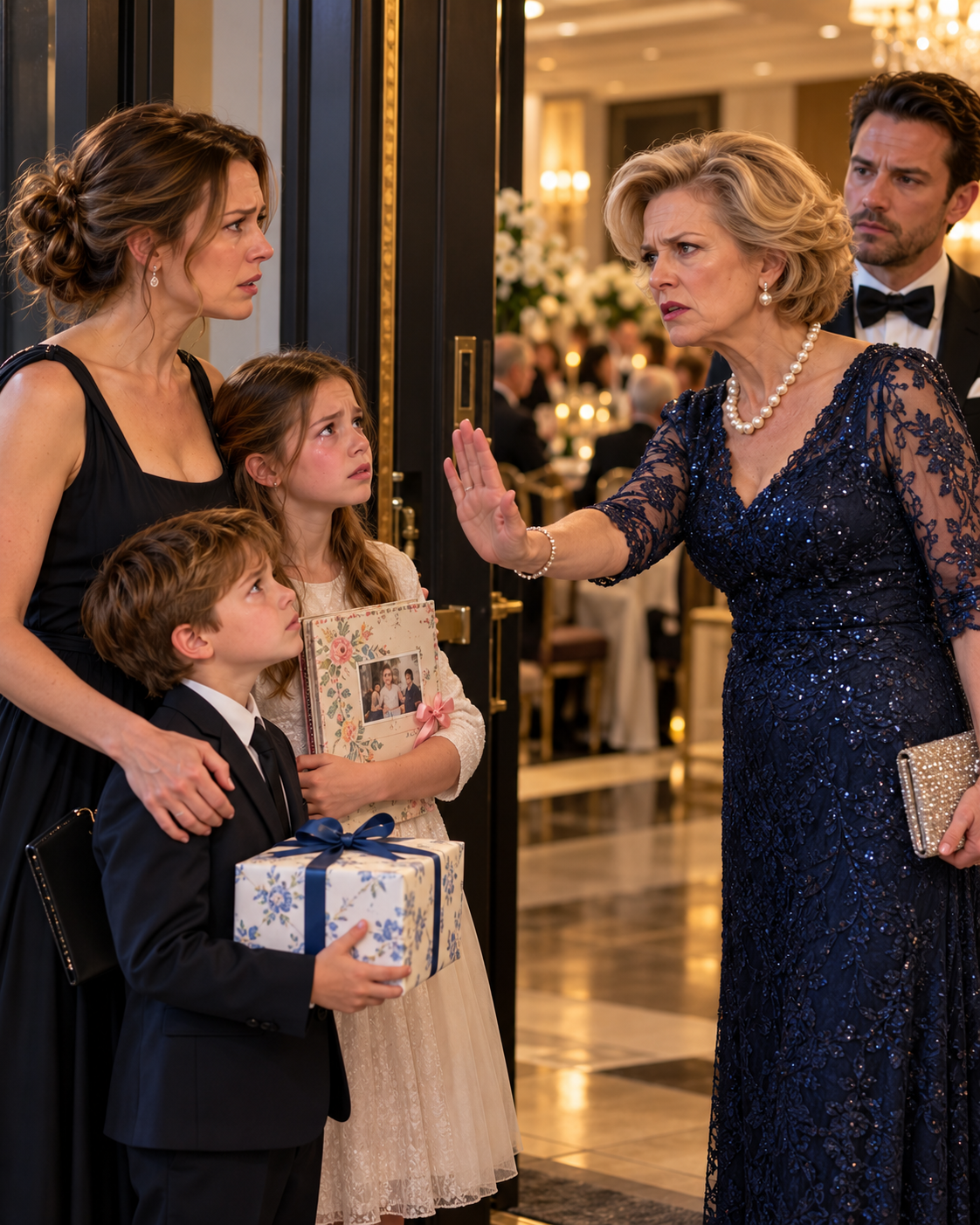
My mother never set foot in a university, and she paid for that absence at dinner tables her whole life. But the evening an elegant mother-in-law used her kitchen to make the point — and demanded my mother remake her coffee — my fiancé decided his family's idea of education needed its own lesson.

The Mother Who Learned Everything Anyway
At eighteen, Mom lost both her parents in the same season, inheriting a thirteen-year-old sister and a ten-year-old brother along with the grief. While her classmates filled out university applications, she filled out diner schedules — double shifts, six days a week, every dollar routed to keeping three kids fed. She raised her siblings first, then married my dad and raised the three of us, and somewhere in between she became the most resourceful person I've ever met.
Our house ran on library cards. Mom watched history lectures for fun, taught herself gardening from tutorials, and fixed everything short of the roof. When Lucas — my fiancé — watched her repair a loose cabinet hinge one afternoon, he asked, genuinely curious, how she knew how to do all of it.
"You live long enough, and you learn a few things," she said with a shrug.
"I'm starting to think I should be taking notes from you," he laughed. He meant it. That's why what happened next mattered so much to him.
The House of Diplomas
Lucas's parents' home in Hartford announced its values before you reached the living room: an entire foyer wall of framed degrees, shelves sagging with books, both hosts university professors. Evelyn and Raymond were warm enough at first — until dinner conversation reached the topic of where everyone studied.
"And where did you go, dear?" Evelyn asked Mom politely.
"I didn't attend college," Mom said, the shyness in her voice audible.
"Oh," Evelyn said, setting her glass down with surgical precision. "I see."
Mom tried to continue — the diner, the years raising her siblings — but the room had already filed the information. Later that evening, in the kitchen, Mom offered to refill Evelyn's coffee. Evelyn took one sip, set the cup down, and said just loudly enough: "Would you mind making it again? Properly this time."
Her Son Draws the Line
Lucas heard it from the hallway. What he did next reshaped our engagement. He walked into the kitchen, picked up the cup, tasted it, and announced to the room that it was the best coffee he'd had in that house — because, he noted, his future mother-in-law had made it the way she made everything: with twenty more years of practical competence than anyone in the foyer.
Then, quietly, he delivered the lesson: "Mom, she raised two children alone at eighteen and put a roof over three kids' heads before she was twenty-five. You can remake your own coffee."

The Silence That Follows Truth
Evelyn's face performed a remarkable sequence — shock, calculation, the first stirrings of something like embarrassment. Raymond, to his credit, put down his newspaper and asked Mom about the diner years, and actually listened. The room's arithmetic shifted: the woman without the diploma had been managing households since before either professor had tenure.
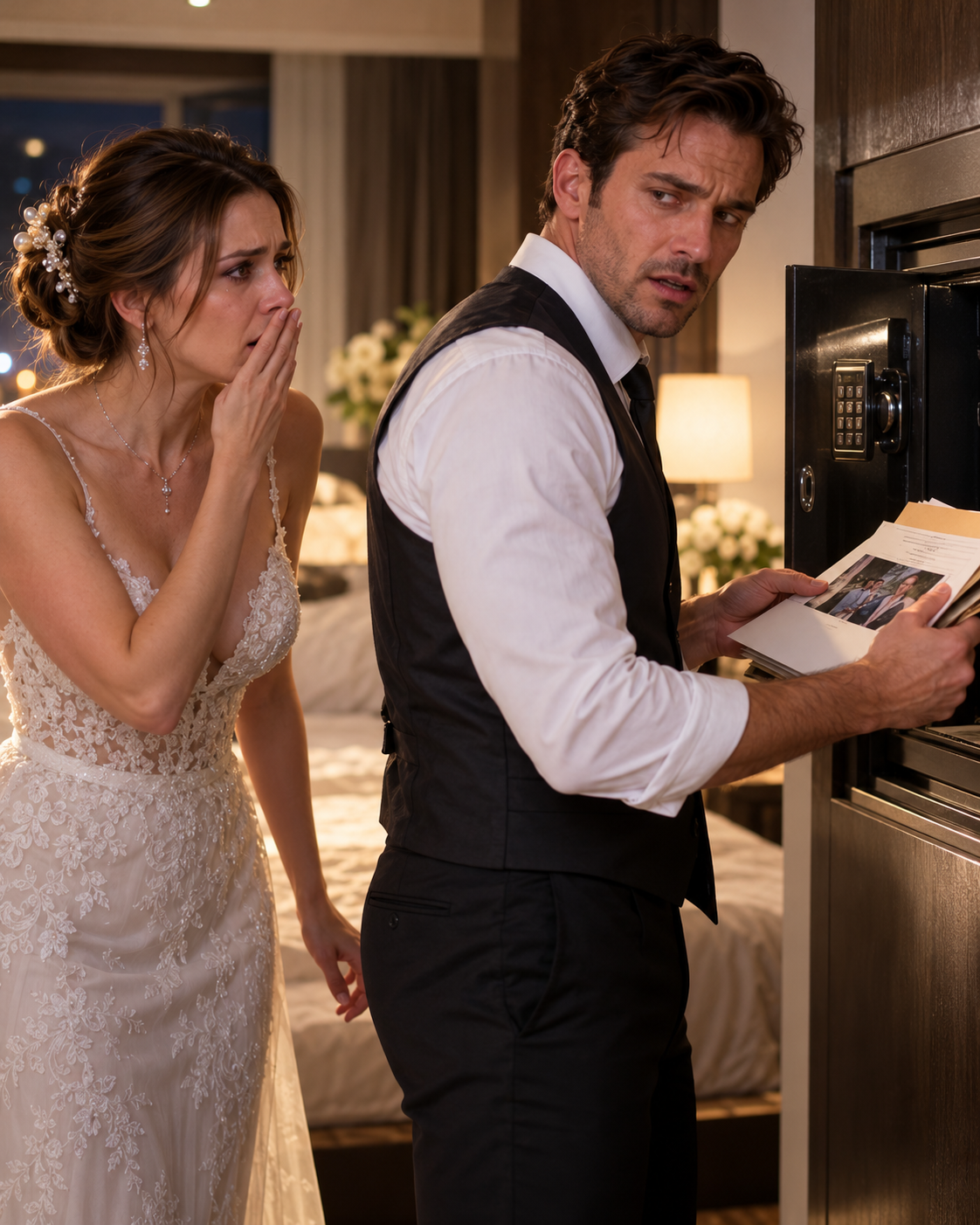
Mom, gracious as ever, later said she didn't need the apology she received the following week. But she noticed something the rest of us did too — Lucas hadn't defended her to be romantic. He'd defended her because he'd recognized, long before that evening, where the real education in our family lived. That's the man I'm marrying.
What the Evening Actually Changed
In the weeks that followed, the fallout rippled outward in small, telling ways. Evelyn sent a card — not quite an apology, but addressed in her own handwriting, which her son noted she hadn't used on our family before. Raymond emailed Mom a link to a lecture series on local history, adding that the diner where she'd worked was featured in the third episode. She watched it twice.
Mom, characteristically, took the whole affair in stride. "Diplomas are nice," she told me over the phone, in the tone she used for things that were simultaneously true and beside the point. "So is a kitchen that never has a broken hinge."
As for the internet version of this story — the dozens of posts where sons stay silent at that same dinner table — Lucas's takeaway is simpler than any grand theory of class or education. Silence, he says, is a vote. Everyone in the room hears it cast, and the person it hurts most rarely says a word.
There's a quieter lesson in the story too, and it belongs to Mom. Faced with a lifetime of dinner-table condescension, she never once performed grievance or demanded her history be honored — she just kept fixing hinges, raising children, and letting competence argue on her behalf. People like that don't win the evening; they win the decade. Evelyn's wall of diplomas documents a fine career. Mom's wall has no frames at all, but it holds up a family — and a cabinet or two. When the wedding comes, there's no question where the coffee will be made, who will make it, or whether anyone in that Hartford foyer would dare send it back.