The freezing October rain hadn't let up for three hours when a stranger found fifteen-year-old Josie Merrick unconscious beside a deserted Pennsylvania road — four miles from the house where her father had locked the door behind her. By the time police reached Gordon Merrick, his older daughter's accusation was still the only truth he accepted. Then the officer asked him one question, and everything he believed about his family began to unravel.

The Accusation That Needed No Evidence
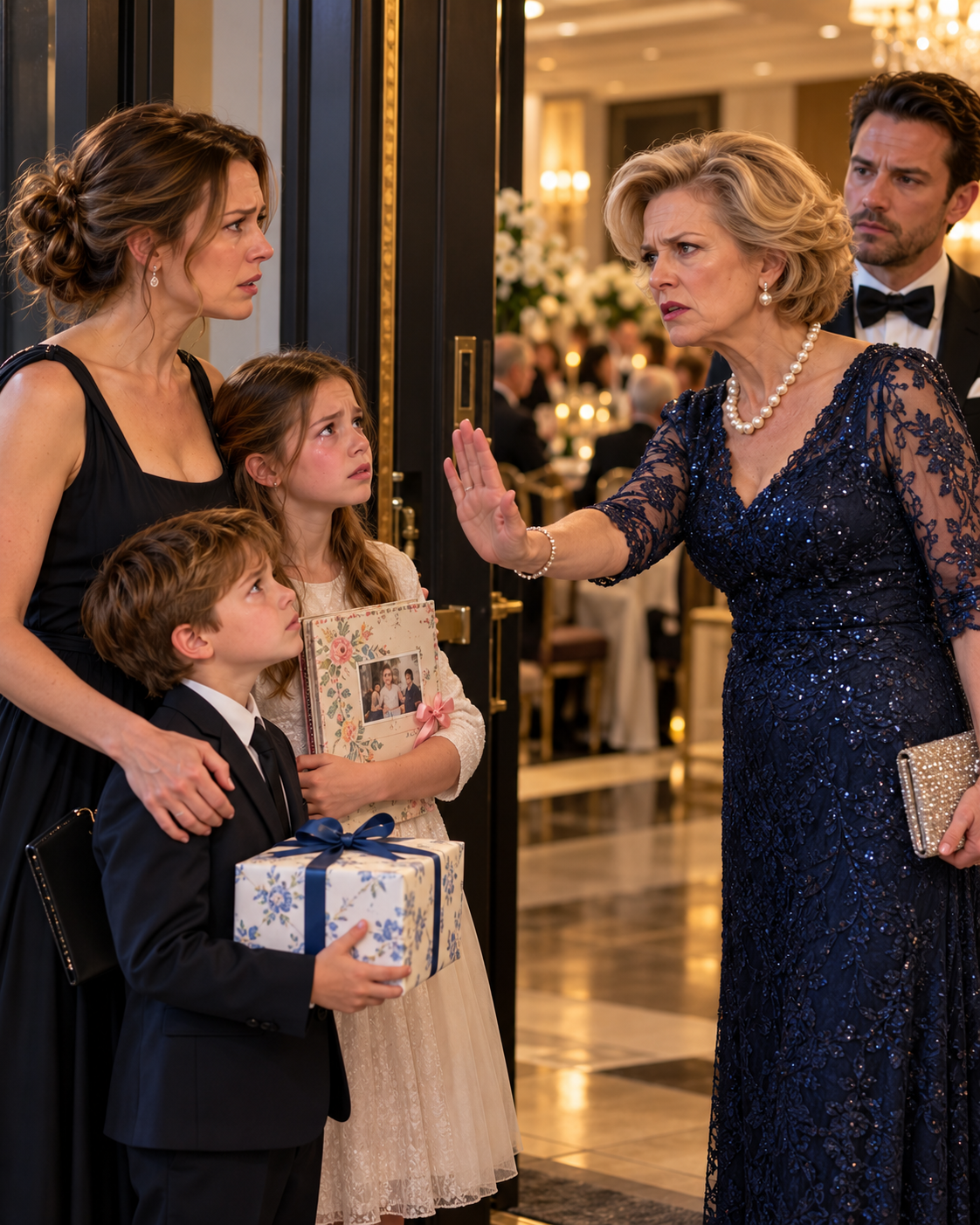
It started, as these things do, with a story told well. Seventeen-year-old Brenna — better with words, better with their father's trust since their mother died — announced she'd found a packet of drugs in Josie's school backpack. Josie had never seen the packet. It didn't matter. Gordon didn't search the bag, didn't ask where it came from, didn't call a teacher. "Stop lying to me, Josie. Your sister wouldn't make something like this up," he said, and when she begged him to check with her school, he opened the front door instead.
"Get out! I don't need a drug addict in this house." She stood on the porch in a thin sweatshirt and sneakers — no coat, no phone, no money — hoping he'd reconsider. The deadbolt answered her. Her backpack held a half-finished algebra assignment and pencil cases. Nothing that could shield her from the storm that followed.
Three Hours in Freezing Rain
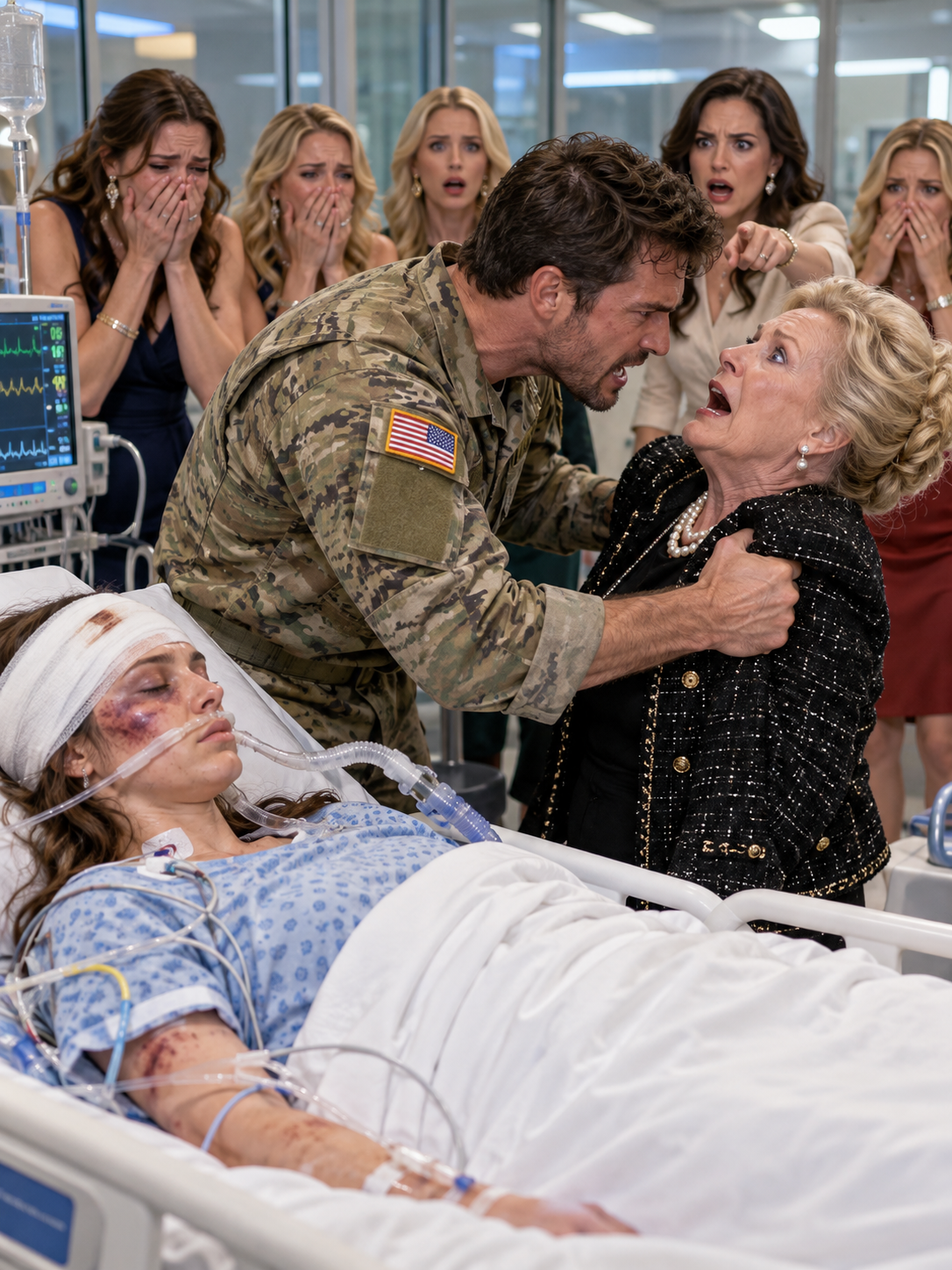
What happens to a fifteen-year-old walking in freezing rain for three hours is not dramatic in the movie sense — it's quiet, cellular, and cumulative. Core temperature drops. Judgment blurs; hypothermia's early gift is the feeling that you're fine. She reportedly kept walking because stopping felt worse, past fields and along a rural road, until her body made the decision her mind wouldn't. A passing driver found her unconscious at the roadside and called emergency services.
Emergency medicine has a term for the window that saved her life: nobody, including her father, had planned to give it to her.
The Phone Call and the Question
When police reached Gordon Merrick, he was still in the story his older daughter had written — repeating the drug accusation to officers who had already heard something different from a hypothermic girl in the ER. Then the officer asked the question that changed everything. They had Josie's backpack, he was told. They'd examined its contents personally. What exactly, he was asked, had his daughter supposedly hidden in it?
The silence on that phone call lasted, by the officer's account, a long time. Because the bag held algebra homework. The packet — if it ever existed outside Brenna's story — was never in it. And the father now had to reconcile that arithmetic with the image of his younger daughter face-down in the rain, four miles from a locked door.
Why He Believed the Wrong Child
Family therapists see this pattern often enough to name its parts. Since their mother's death, Brenna had invested heavily in being the credible one — the narrator of household events — while Josie's denials had been pre-labeled as defensiveness. Grief made their father hungry for certainty, and certainty, once sourced, becomes a habit. None of that excuses the night. It explains the machinery: an accusation only needs one believer with authority, and children's fights are rarely investigated by the adults who could stop them.
What Happened After
The aftermath moved the way these cases should and rarely do. Hospital staff filed a report. Child protective services opened a file. Brenna's story collapsed under the first interview, and the packet question resolved into what it had always been: an older sister's weapon in an old rivalry, aimed at a fifteen-year-old who couldn't fight back. Josie recovered physically within days. The trust took longer — reportedly rebuilt slowly, sentence by sentence, after her father sat in a family counselor's office and heard, from a professional, the thing the officer had made undeniable on the phone.
The sentence worth keeping from this story isn't the accusation or even the reconciliation. It's the officer's question, which every parent should keep loaded: before you act on what one child tells you about another — what's the evidence? Gordon Merrick answered it four hours and four miles too late. The girl in the rain paid the invoice.
The Lesson Brenna Learned
The story's final chapter belongs, uncomfortably, to the accuser. Brenna reportedly confessed under interview that the packet was planted — a prop in a rivalry she'd escalated without imagining the cost. Her punishment was real: counseling, a supervised schedule, and the permanent knowledge that her word now carries documented weight. Their father, for his part, reportedly keeps the police report pinned in his home office — not as guilt decoration, but as the evidence checklist he failed to complete. 'I believed a story because the storyteller was mine,' he told the counselor. Every parent with more than one child reads that sentence with a small chill. As well they should.