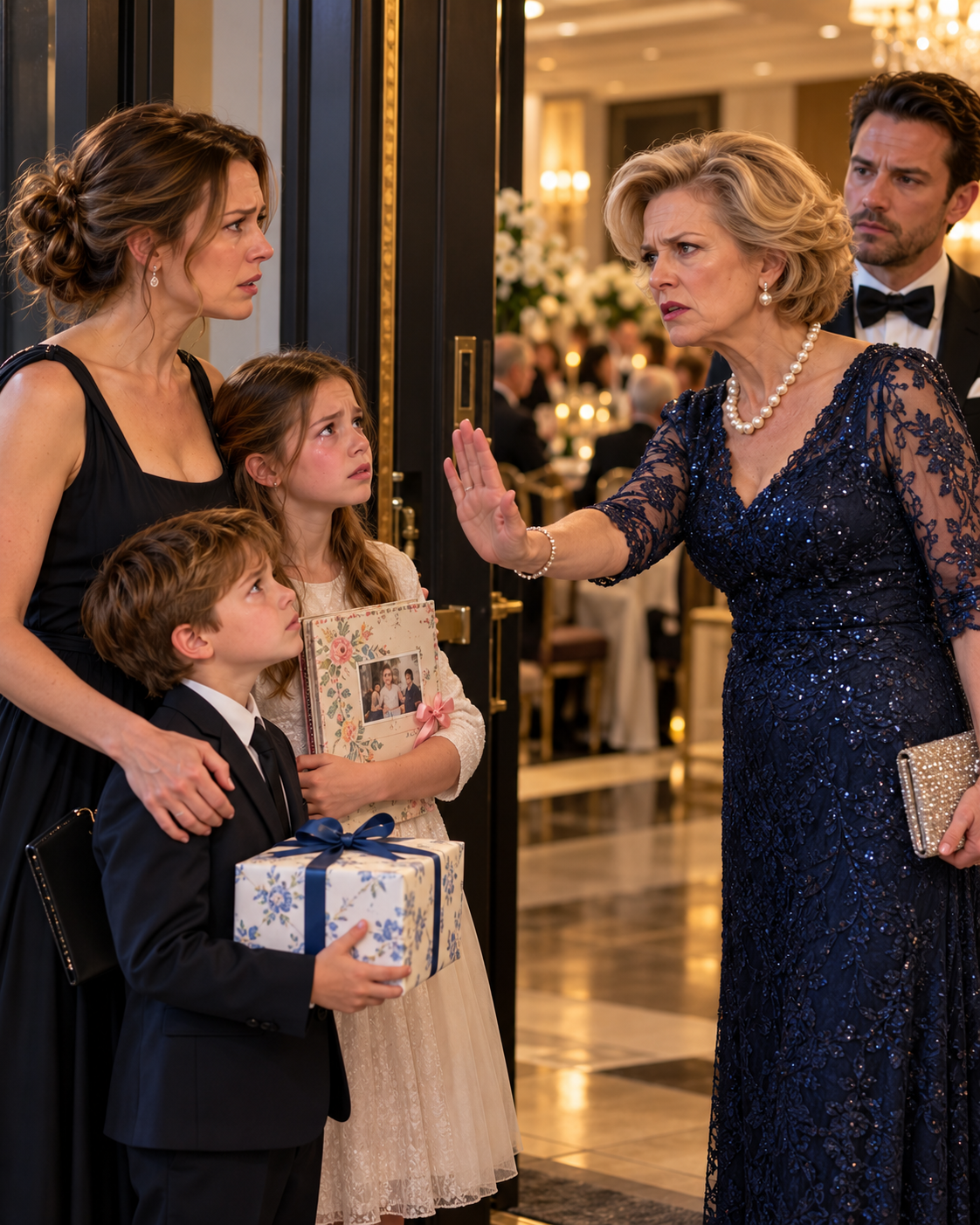
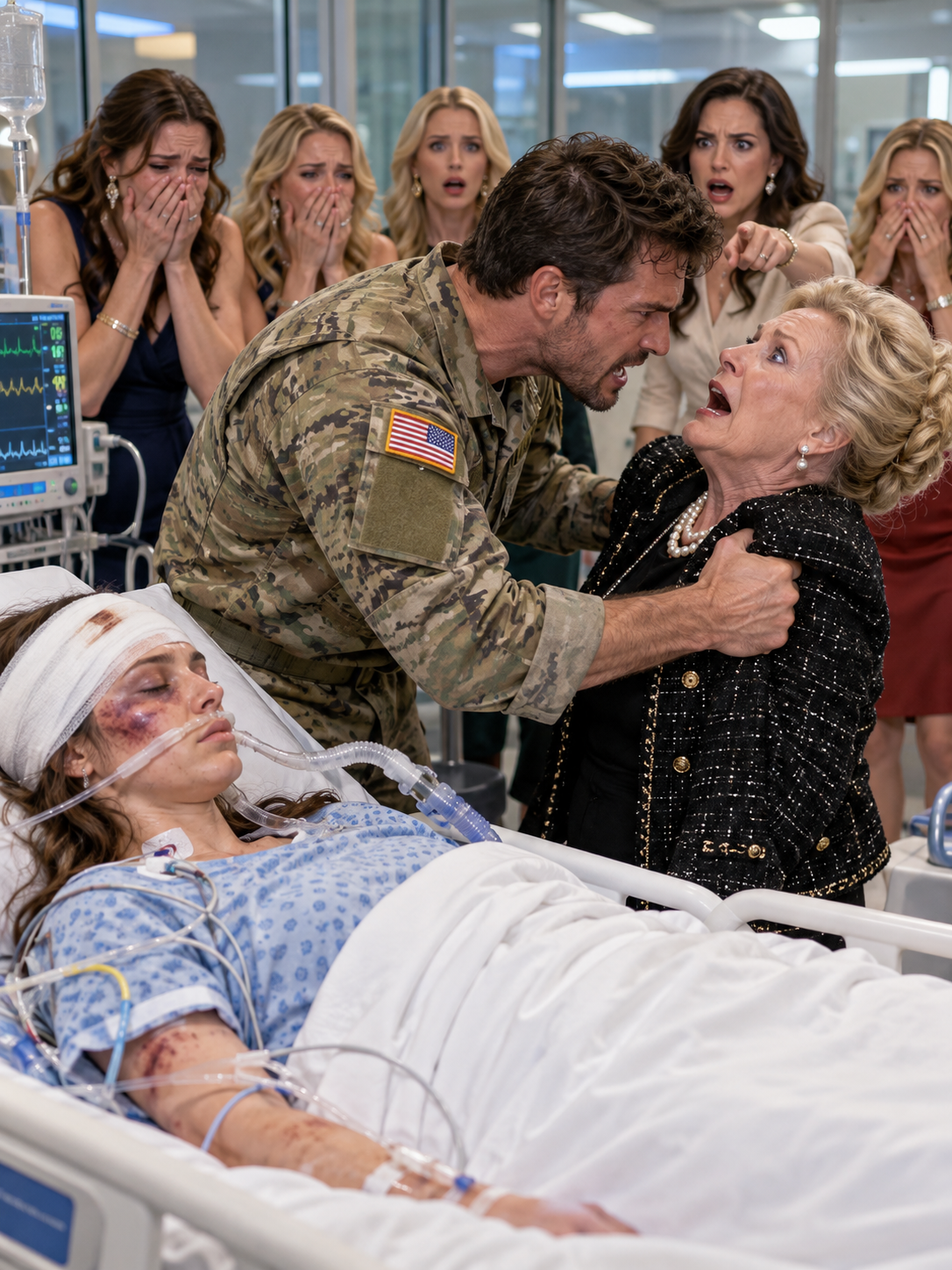
The courtroom scene was staged for her humiliation. Her husband Grant checked his watch through the intercom, complaining about a board meeting. His mother dabbed dry eyes with a tissue. Her husband's pregnant mistress leaned comfortably on his shoulder. And Rosalind — twenty-five years pending, betrayed by all three — looked at them, smiled calmly, and said one sentence that stopped the transfer order mid-motion.

The Man Who Used to Stand in the Rain
To understand the sentence, you need the marriage. Grant arrived poor and stayed ambitious; Rosalind arrived with family wealth and spent it like it was embarrassing. When the board questioned his qualifications for the executive track, she defended him, personally and financially. She'd fallen for a man who once stood outside her apartment in freezing rain, just to deliver soup when she was sick — and she'd spent a decade making sure he never felt small about the difference in their balance sheets.
Three months ago, when the fraud charges landed on her, she'd spent every night searching for the answer to one question: why. The previous evening, through the visitors' glass, Grant had finally answered it — not with remorse, but with a smile: "Nobody is coming to rescue you, Rosalind."
That sentence did something unexpected. It ended her grief and started her arithmetic.
What She'd Spent Three Months Finding
Because the frame they'd built — the wealthy wife embezzles, the loyal husband endures — had a load-bearing flaw she'd found while going through her own company's records in the prison library hours. The transfers everyone believed she'd authorized required her credentials. Her credentials had been reset, remotely, on a date she could document being elsewhere. The reset origin point traced to a device Grant had given her as an anniversary gift — a tablet he'd chosen, set up, and insisted on maintaining because he wanted her to "never worry about technology."
Every transaction bore her digital signature. Every one of them routed, eventually, through accounts connected to Savannah's family. Grant hadn't betrayed her for the mistress. He'd betrayed her with her — as partners, with Rosalind's company as the joint venture and Rosalind as the designated fall partner.

The Sentence That Stopped the Room
So when the guards came to transfer her, and the gallery assembled its little theater of dry tears and pregnant smugness, Rosalind didn't plead. She smiled, addressed the prosecutor directly, and named the tablet, the reset date, and the routing — facts her attorneys had filed that morning, facts that made her the victim of a conspiracy rather than its architect. The officers froze. The prosecutor, reading the emergency filing his office had received an hour earlier, shouted for the transfer to stop. In the gallery, Grant's expression performed the collapse of a man watching his fall partner stand back up.
The Arithmetic of the Aftermath
The weeks that followed inverted the courtroom entirely. Federal investigators, embarrassed and energized, followed the tablet trail into Grant's accounts; Savannah's pregnancy announcement suddenly shared a timeline with the wire transfers; Margaret's theatrical mourning became evidence of knowledge. Rosalind walked out of custody into a different kind of proceeding — this one with her husband and his mistress on the wrong side of the glass.
She tells the story without triumph, which is what makes it land. The rain-soaked man who delivered soup wasn't an act, she says — it was a strategy that hadn't matured yet. "I spent our marriage making sure he never felt poor," she said. "He spent it making sure I'd never feel rich. The difference is I documented everything, because someone in this family had to." The sentencing that was built to end her life ended up being the one appointment Grant will regret rescheduling around a board meeting — because the woman he left smiling in the dock was smiling for a reason. She'd read the whole file. Including the part where she wins.
The Gift That Started the Case
The anniversary tablet deserves its paragraph, because the detail converts the story from melodrama to method. Grant's choice of gift — a device he insisted on configuring personally, 'so she'd never worry about technology' — was framed in the marriage's language of care. It was also, in hindsight, the single most incriminating object in the household: the credential reset originated from it, the remote access lived on it, and its purchase record placed the decision months before the first suspicious transfer. Prosecutors love a timeline, and the tablet was a timeline wearing a bow.
Rosalind's attorneys framed the discovery for the filing: the defendant's wealth, she'd spent ten years treating as a shared instrument rather than personal armor, and the conspirators treated her generosity as the vulnerability it technically was. But generosity documents itself. Every account she'd kept joint, every signature authority she'd shared, had created a paper twin of the marriage — and when the real marriage turned out to be a conspiracy, the paper twin testified. The rain-soaked suitor had married a woman who kept records. The board meeting he was rushing to that afternoon never happened. The board had already read the filing.