He was thirty years old, freshly graduated, wearing a crisp white coat and carrying student loans that tightened his stomach every month. She was eighteen, the brightest presence on the pediatric oncology floor, and — as of a cold Tuesday afternoon — down to her last three days. What Dr. Brandon did next, marrying his dying patient, looked like mercy. What her sister revealed after the funeral proved it was something else entirely.

The Girl Who Kept the Floor Laughing
Chloe ran the pediatric ward like a comedian in residence. Even exhausted from aggressive chemo, she made night nurses laugh through their shifts. "Doctor Brandon, you do realize that smiling is completely free, right?" she teased him one morning. He defended his composure — "I am maintaining proper clinical focus, Chloe" — and she ruled it a failure until he cracked. Six weeks of banter had turned a physician and a terminal patient into something closer to friends.
Then she caught him staring blankly at a loan repayment notice by the nurses' station. "Is everything okay, Brandon? You look like you just saw a ghost," she murmured. He confessed: double shifts through medical school, and every semester still being paid off. She offered sympathy the only way she knew how — "Honestly, they should give you a full refund for that terrible handwriting of yours."
Three Days
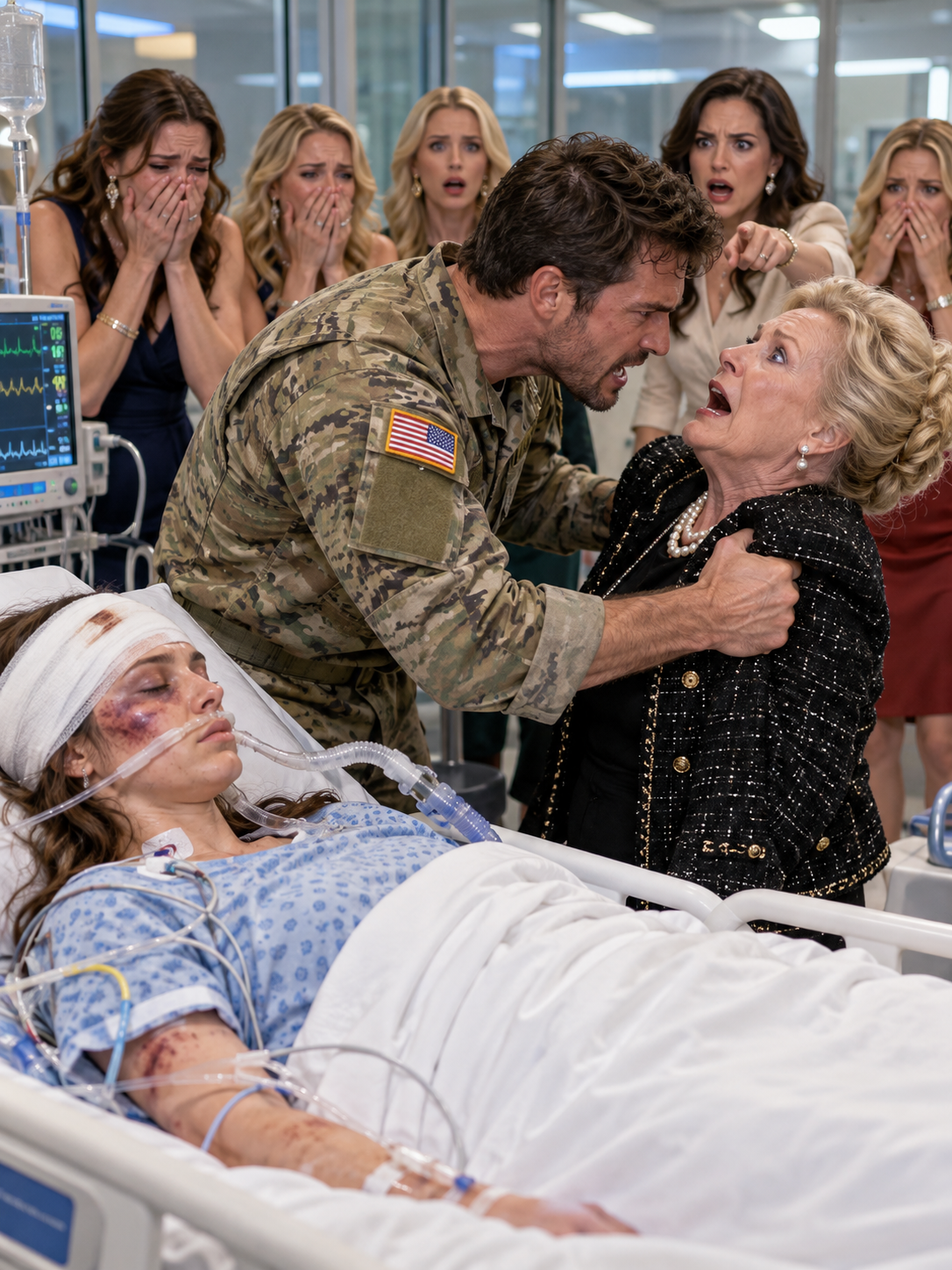
When her medication stopped working entirely, the attending physician quietly told her family what the scans were saying: days, not weeks. Brandon hesitated a long time before what he did next. He proposed — a hospital wedding, makeshift rings, a bride in a gown over a hospital gown. Staff cried in the corridor. Her family signed whatever was needed. It was called mercy, and most people who heard the story filed it that way: a kind man easing a girl's final days.
The Box After the Funeral
After the funeral, her sister approached him carrying a small wooden box with his name carved into the lid. "She told me to give this to you only after she was gone," the sister said. Inside was a letter — and by the time he finished reading it, he understood two things at once. First, that Chloe had known everything. Second, that he would soon be forced to defend his marriage against people who believed the worst about it.
The letter, as the story goes, revealed that the marriage had been her plan — not his charity. Chloe, pragmatic about her ending in a way adults rarely manage, had wanted her short estate to matter: assets, insurance, a future she would never use, redirected to a doctor who had given her six weeks of laughter. She had orchestrated the proposal conversation, timed the wedding, and left her sister instructions with the precision of someone scheduling their own finale.
The Inheritance Fight
What followed was uglier than grief. Family members challenged the marriage — a dying eighteen-year-old, an indebted physician, timing that looked predatory from certain angles. The gift in the box became evidence in a war over intent. And Brandon, grieving, found himself testifying that the only person who had manipulated anyone in that hospital was an eighteen-year-old genius who refused to leave the world without paying a debt she considered hers.
What the Letter Actually Settled
The story ends where Chloe designed it to: with the truth doing the protecting. Her handwriting, her instructions, her sister's testimony — the paper trail of a plan executed on her terms. Brandon reportedly keeps the carved box on his desk, in the office of the practice her gift funded.
People call it a sad story. It isn't, quite. A girl with three days left spent them arranging a future for someone else, and the man she chose spent his defending her right to have done it. Mercy writes simpler endings. Love, apparently, writes wills.
The Ethics Question the Story Forces
Could a dying eighteen-year-old legally marry and direct her estate? In most jurisdictions, yes — capacity requires understanding, not age parity, and Chloe's plan was executed with documented lucidity. The ugly objections came from people whose motives the letter anticipated. What the story ultimately defends is the principle that terminal patients retain personhood, including the right to make consequential, even inconvenient decisions. Chloe didn't leave a tragedy; she left a completed project. The doctors who treated her understood first. The family took longer. The paper trail, as usual, had the final word.
What Happened to Brandon
The epilogue, as these stories go, reframes everything again. Brandon completed his loan payments years early — the estate gift saw to that — and reportedly stayed on the same pediatric floor, where colleagues say he treats terminal patients' families differently than any physician they've worked with. He keeps Chloe's photo where patients can see it, and when teenagers with diagnoses ask whether anything good can come from three days, he tells them about a girl who scheduled her own legacy between chemo sessions. The marriage lasted three days and will outlive everyone who contested it. Some documents record endings. Hers recorded a plan.